Support our educational content for free when you purchase through links on our site. Learn more
Are High-End Makeup Brands Worth It? 💄

Are high-end makeup brands worth the cost in the USA? Sometimes—but a luxury label doesn’t guarantee a better formula. The splurge makes sense when a particular product gives you a shade match, finish, comfort, or experience you genuinely prefer and will use often.
We’ve seen shoppers fall for a gorgeous compact, then discover the affordable blush in their drawer blends just as beautifully. And we’ve heard the opposite: someone finally finds a foundation that looks and feels right after testing formula after formula. The best answer isn’t “always splurge” or “always dupe”—it’s judge each product by how it performs for you.
Key Takeaways
- High-end makeup can be worth it for a specific benefit, such as a preferred texture, finish, shade match, or packaging you truly enjoy.
- Price and prestige don’t guarantee better performance. Drugstore makeup can be excellent, and technique and product compatibility matter.
- Test complexion products before committing. Check the shade in natural light and wear it with your usual skincare and makeup routine.
- Think about cost per use and shelf life. A product you reach for regularly may better value than a pricier item that sits untouched.
- Build a mixed-price makeup kit. Splurge where you notice a real difference; save where an affordable product already does the job.
Table of Contents
- ⚡️ Quick Tips and Facts
- 💄 What Counts as High-End Makeup in the USA?
- 🕰️ How Luxury Makeup Became a Beauty Status Symbol
- 💸 Are High-End Makeup Brands Worth the Cost? The Short Answer
- 🔬 What You’re Paying For: Formula, Pigment, Packaging, and Brand Prestige
- Ingredients and formula performance
- Pigment, blendability, and wear time
- Packaging, shade ranges, and the luxury experience
- Research, testing, and quality control
- ⚖️ High-End vs. Drugstore Makeup: What’s Actually Different?
- Foundation and concealer
- Eyeshadow and eyeliner
- Mascara and brow products
- Blush, bronzer, and highlighter
- Lipstick and lip gloss
- 🌟 Luxury Makeup Brands and Products Worth Considering
- Armani Beauty and Luminous Silk Foundation
- Chanel, Dior, Givenchy, Gucci, Tom Ford, and YSL Beauty
- Chantecaille and Westman Atelier
- When the brand name matters less than the product
- 🧴 Which Luxury Makeup Is Most Worth the Splurge?
- Splurge-worthy formulas for complexion
- Luxury products you may not need to buy high-end
- 🧮 Cost Per Use: How to Judge Makeup Value
- A simple cost-per-wear calculation
- Shelf life, expiration, and product waste
- 🪞 How to Shop for High-End Makeup in the USA
- Finding your foundation shade and undertone
- Testing products in store and online
- Samples, minis, returns, and discounts
- Spoting counterfeit cosmetics and unsafe resale listings
- 🌱 Ethical, Safety, and Ingredient Considerations
- Cruelty-free claims and animal-testing rules
- Vegan makeup, allergens, and sensitive skin
- Sustainable packaging and refillable products
- ✅ Who Should Buy High-End Makeup—and Who Can Skip It?
- 🛍️ Smart Ways to Build a Luxury Makeup Wishlist
- ✨ Quick Tips and Facts for Getting the Most from Luxury Makeup
- Conclusion
- Recommended Links
- FAQ
- Reference Links
⚡️ Quick Tips and Facts
- Short answer: Sometimes. A high-end product can earn its place through a better shade match, a finish you love, dependable wear, or an unusually elegant texture. The logo alone cannot do that.
- The smartest makeup kit is usually mixed: splurge selectively, then save where affordable formulas perform just as well. Makeup artist Nidhi Krishnamuurthy makes a similar point in ELE India’s high-end-versus-drugstore comparison: value varies by product category, and application technique matters.
- Worth a closer look: complexion products, setting powder, and select lip products often feel personal enough that formula and finish can justify a premium for some shoppers. But “often” is not “always.”
- Easy places to save: mascara, lip liner, and many blushes have strong affordable options. Maybelline, for example, is cited by ELE India’s makeup artist for mascara and liquid eyeliner.
- Try before committing: samples and minis are useful, especially for foundation and complexion products. A mini can still cost more per ounce, so it’s a lower-commitment purchase, not automatically a better deal.
- Anecdotes are clues, not guarantees: an enthusiast’s “all-day wear” depends on skin type, climate, prep, application, and setting. Your face gets the final vote. 🙂
| Quick question | Makeup artist’s practical answer |
|---|---|
| Does a higher price guarantee better makeup? | ❌ No. Price can reflect formula, packaging, marketing, distribution, and brand prestige. |
| Can drugstore makeup look polished? | ✅ Absolutely. Technique, shade match, and formula compatibility matter. |
| What should you test first? | Your most-used category, ideally in your normal routine and lighting. |
| Is luxury packaging part of the value? | It can be—if you genuinely enjoy it and can comfortably afford it. |
| What’s the best first luxury purchase? | A product you use often, can test in person, and cannot already replace with something you love. |
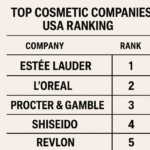
For more context on top makeup brands in the USA, remember that brand reputation is a starting point—not proof that every product in its range deserves your money.
💄 What Counts as High-End Makeup in the USA?
“High-end,” “prestige,” and “luxury” are loosely used labels, not quality grades. In the USA, they commonly refer to makeup sold through department stores, specialty beauty retailers, brand boutiques, or premium beauty counters. Examples include Armani Beauty, Chanel, Dior, and Westman Atelier.
Drugstore makeup is generally positioned for broader retail access, including mass-market stores and pharmacies. The line between categories blurs: a prestige brand can sell a product with an ordinary formula, while an affordable brand can make a standout one. Our beauty brands guide covers the names shoppers most often compare.
| Label | What it usually describes | What it does not prove |
|---|---|---|
| Luxury | Premium positioning, elevated packaging, brand heritage, service, or exclusivity | That the formula suits your skin or outperforms cheaper alternatives |
| Prestige / high-end | Specialty retail distribution and higher brand positioning | That every item in the range is exceptional |
| Drugstore / mass-market | Broad availability and accessible brand positioning | That the product is lower quality or less safe |
| Professional | Marketing or distribution aimed at makeup artists and working pros | That consumers will find it easier or better |
The honest comparison is product against product: shade range, formula, wear, finish, comfort, packaging, and how much you’ll actually use.
🕰️ How Luxury Makeup Became a Beauty Status Symbol
Luxury beauty sells more than pigment. Heritage, recognizable packaging, counter service, seasonal launches, and the pleasure of a beautifully made compact can all be part of the appeal. For some shoppers, that ritual is meaningful; for others, it is a decorative detour on the way to a perfectly good drugstore lipstick.
A blogger reviewing luxury makeup captured both sides of that emotional equation, calling luxury “an experience that comes at a high price point,” while also acknowledging that “the rest of us get some enjoyment out of having a luxury product” (The Blondissima’s luxury makeup roundup). That’s a personal perspective, not a lab result—and it helps explain why beauty value isn’t purely technical.
Luxury formulas can also be associated with sophisticated textures, refined scent, thoughtful shade curation, or packaging made to be displayed. But the experience is subjective. If the object itself delights you, count that honestly as part of your value calculation. Just don’t mistake pleasure for proof of superior performance.
💸 Are High-End Makeup Brands Worth the Cost? The Short Answer
Yes, when a specific product gives you something you genuinely value and will use. No, when you’re paying a premium for a label that doesn’t improve your experience.
That’s why two apparently conflicting opinions can both be reasonable. ELE India’s article argues that some luxury formulas may offer worthwhile performance, but also warns that in some cases “the packaging and brand’s face value” account for much of the appeal. The Blondissima’s review focuses on products the author personally enjoys, including a luminous foundation and easy-to-wear cream products. One emphasizes category-wide caution; the other shares individual favorites. Neither personal preference nor brand prestige is universal evidence.
The five-question value test
Before buying, ask:
- Do I need this product category? Another highlighter won’t fix a drawer already full of highlighters.
- Can I see a specific benefit? Think better shade match, a preferred finish, more comfortable wear, easier application, or packaging you treasure.
- Have I tested it on my own skin? A swatch on someone else’s arm is not a foundation match.
- Will I use it regularly before it expires? A beautiful product abandoned after three outings is expensive clutter.
- Can I afford it without pressure? Makeup should be a treat, not a tiny compact-shaped financial stressor.
If you can answer “yes” to most of these, the splurge may make sense. If not, keep browsing—or give your existing makeup another chance.
🔬 What You’re Paying For: Formula, Pigment, Packaging, and Brand Prestige
Ingredients and formula performance
High-end makeup may use a formula, texture, or finish you prefer—but ingredient lists alone don’t tell you which product will perform best. Skin type, personal sensitivity, application, and the product’s full formulation matter. The FDA’s cosmetics guidance explains US cosmetics labeling and ingredient-list requirements; it does not certify a makeup product as superior because it costs more.
A hydrating-feling formula may suit dry skin better; a long-wear matte product may appeal to someone who wants reduced shine. Yet marketing terms such as “skin-loving,” “clean,” and “professional” are not a substitute for checking ingredients and testing how the product feels on you. If you have sensitive skin, review the label and stop using a product that causes irritation.
Pigment, blendability, and wear time
Good performance isn’t just maximum pigment. A blush that blends without streaks may be more useful than one that deposits a vivid stripe in a single tap. A foundation that stays comfortable on your skin can be a better purchase than a full-coverage formula that looks flawless for ten minutes and then announces every dry patch.
We evaluate products across practical factors:
| Factor | What to look for | Why it matters |
|---|---|---|
| Pigment | Buildable color, even payoff | More pigment isn’t automatically easier to control |
| Blendability | Smooth edges, little patchiness | Helps speed up application and refine the finish |
| Wear | Fading pattern, transfer, comfort | “Long-wear” claims should match your daily conditions |
| Finish | Matte, natural, radiant, dewy | Choose what looks and feels right on your skin |
| Shade match | Undertone and depth options | A perfect formula in the wrong shade is still the wrong product |
| Layering | Works with your skincare, sunscreen, and other makeup | Product compatibility can change how makeup performs |
Packaging, shade ranges, and the luxury experience
A sturdy compact, mirror, refill system, or elegant lipstick case can make a product more enjoyable to use. That is real value if you care about it. It is not the same as paying for more pigment or better wear.
Shade range is more than a marketing detail. A complexion product’s usefulness depends on whether the brand offers a suitable depth and undertone for you. Check the actual available shades and swatches rather than assuming a premium label means broader inclusivity.
One beauty blogger describes choosing a mini of Armani Luminous Silk Foundation because she expected not to finish a full bottle. That’s a sensible way to reduce commitment—though, as we’ll cover, a mini may cost more per ounce.
Research, testing, and quality control
Brands may invest in research, testing, manufacturing, and quality assurance, but shoppers can’t infer the amount or outcome of that investment from a logo or price tag. A product’s claims should be considered in context; “tested” does not automatically mean “better for every person.”
For a neutral overview of how US cosmetics are regulated, see the FDA’s cosmetics information. The agency notes that cosmetics generally do not receive FDA premarket approval, except for color additives and certain other legal requirements. That’s one reason to buy from reputable sellers, check labels, and avoid questionable counterfeit listings.
⚖️ High-End vs. Drugstore Makeup: What’s Actually Different?
There is no universal luxury win. In its comparison, ELE India quotes makeup artist Nidhi Krishnamuurthy on luxury base products that can “transform the face without feeling heavy,” while also highlighting affordable performers in categories such as mascara and lip liner. She adds that “it’s more about the techniques you use to apply the product.” That is a useful counterweight to the idea that a higher price does the work for you.
| Category | Why you might pay more | Why you might save |
|---|---|---|
| Complexion | Shade match, finish, application feel, or a formula you consistently love | Drugstore ranges offer many capable foundations and concealers |
| Eyes | A favorite texture, blendability, or curated color story | Affordable shadows and liners can meet everyday needs |
| Cheks | Special finish or convenient cream formula | Blush is often forgiving and easy to find at accessible prices |
| Lips | Comfort, color, packaging, or lasting wear that suits you | Lip liners and many lip colors have excellent lower-cost options |
| Mascara | Wand design or a particular effect | Mascara is replaced regularly, and affordable options can perform well |
Foundation and concealer
Complexion products are where a high-end formula can feel especially personal: shade match, oxidation, finish, coverage, comfort, and wear all show up on a large area of the face. That makes foundation a reasonable category to test carefully—not a guaranteed splurge.
ELE India names Dior Backstage Face & Body Foundation and Armani Luminous Silk Foundation as luxury recommendations from its makeup artist. These are examples to sample, not universal prescriptions. Match the foundation to your skin, preferred coverage, and usual setting routine.
Eyeshadow and eyeliner
A luxury eyeshadow may offer a particular color story or texture you adore, but an expensive palette is not automatically easier to blend. A small, well-used palette can be more valuable than a large one that leaves you reaching for the same two shades.
Try shadows with your usual primer or base: a formula that looks smooth on a bare arm can behave differently on eyelids. For eyeliner, precision and wear matter more than the prestige of the pencil. ELE India specifically cites Maybelline for liquid eyeliner as an affordable option worth considering.
Mascara and brow products
Mascara is a classic category to save on because it is replaced more frequently than many other makeup products. A brush that separates your lashes and a formula that holds your preferred curl may matter more than a luxury tube.
Brow products can justify a splurge if a premium formula gives you reliably precise application and stays in place without flakes or smudging. But compare the benefit against affordable pencils and gels before making the jump. The right shade and light hand often do more than an expensive brow wand.
Blush, bronzer, and highlighter
These products are also highly dependent on finish and application preference. A luxury cream blush may have a distinctive texture; an affordable powder blush may give you the same color and longevity you need. The goal is a seamless result—not a receipt that can brag.
The Blondissima praises Westman Atelier’s cream blush for its dewy finish and easy application. That is one user’s experience, and cream blush results can differ with skincare, tools, and skin type. Test it over the foundation or sunscreen you actually wear.
Lipstick and lip gloss
Comfort, finish, shade, and reapplication habits are key. A luxurious lipstick can be a daily pleasure, but it still needs to suit your lips. ELE India’s article gives lip products a possible case for spending more while making an exception for lip liners, where affordable brands can shine.
And because lipstick is applied directly to the lips, don’t share it casually, especially if someone has visible cold sores or irritation. The American Academy of Dermatology’s cold sore guidance advises avoiding sharing items that touch the mouth during an outbreak.
🌟 Luxury Makeup Brands and Products Worth Considering
These products are examples with features that makeup artists and beauty enthusiasts often discuss. They are not a universal “must-buy” list. Treat individual reviews as personal wear tests, then check the brand’s current product details and try a sample if available.
Armani Beauty and Luminous Silk Foundation
Armani Luminous Silk Foundation is a frequently praised complexion product. The Blondissima’s author describes shade 7 as buildable medium coverage with a luminous, second-skin finish, and says it remained flattering through the day on her normal skin. That is a personal report, not a promise for every skin type or climate.
| Aspect | Editorial rating (1–10) | What to consider |
|---|---|---|
| Design and packaging | 8 | Elegant presentation; consider how useful the container is to you |
| Functionality | 8 | A liquid foundation with buildable coverage, according to the brand’s product positioning |
| Finish versatility | 8 | Luminous look may appeal to those who prefer skin-like radiance |
| Shade-selection convenience | 7 | Always verify shade depth and undertone in person or via reliable swatches |
| Everyday potential | 8 | Could suit frequent foundation wearers if the match and finish work |
| Overall value | 7 | Most compelling when the shade match and skin finish are hard for you to find elsewhere |
Our application test: apply a thin layer to the center of the face, blend outward, then assess in daylight after it settles. If the shade shifts or the finish emphasizes texture, try another shade or formula before deciding it’s “your” foundation.
Chanel, Dior, Givenchy, Gucci, Tom Ford, and YSL Beauty
| Brand | Example discussed by shoppers | Possible appeal | Check before buying |
|---|---|---|---|
| Chanel | LES BEIGES Healthy Glow Bronzing Cream | Cream texture and warm, sun-kissed look | Confirm shade range and how it wears over your base |
| Dior | Backstage Face & Body Foundation | Professional-leaning complexion option | Test coverage and longevity on your skin |
| Givenchy | Prisme Libre setting powder | Loose powder option with a brightening effect in some shades | Powder can emphasize dryness if over-aplied |
| Gucci Beauty | Gucci concealer | A luxury complexion product with distinctive packaging | Check availability, shade match, and current formula details |
| Tom Ford Beauty | Traceless Soft Matte Concealer | Stick format and natural-looking finish in a blogger’s review | Confirm the product is currently available through authorized retailers |
| YSL Beauty | Candy Glaze Lip Gloss Stick | Glossy, balm-like feel praised by a beauty blogger | Wear time and comfort are personal; test the shade |
The Blondissima’s author particularly likes Givenchy Prisme Libre Loose Setting and Finishing Powder for under-eye brightening, and YSL Candy Glaze for its shiny, nourishing feel. Those impressions are helpful starting points, not independent performance tests.
Chantecaille and Westman Atelier
Chantecaille and Westman Atelier are often associated with polished, pared-back makeup and skin-focused finishes. The Blondissima’s author describes a Chantecaille cream-powder hybrid eyeshadow as an easy “one and done” shade, and praises a Westman Atelier cream blush for its dewy finish.
That effortless look is not effortless for every face. Cream products can interact with sunscreen, skincare, and foundation, so test by pressing—not rubbing—the product over your base. If it lifts your foundation or stays tacky longer than you like, the formula may not fit your routine.
When the brand name matters less than the product
Use the product’s job as your compass:
- Want a barely-there finish? Look for a formula that stays comfortable and blends smoothly.
- Need makeup to last through heat or a long event? Test wear in similar conditions.
- Want a specific luxury shade or texture? That can be a valid reason to buy.
- Already own an almost identical product? The new one needs a compelling reason beyond a pretty compact.
That distinction is echoed by the first YouTube video’s featured makeup artists, who recommend products they personally enjoy while also emphasizing specific use cases: a breathable foundation, a blurring powder, or a lip product for special occasions. Their favorites are informed opinions, not proof that every luxury product is necessary.
🧴 Which Luxury Makeup Is Most Worth the Splurge?
There is no single category that deserves everyone’s money. A luxury purchase is easiest to justify when it solves a recurring problem—a shade match you cannot find, a finish you prefer, or a product you use several times a week.
Splurge-worthy formulas for complexion
Foundation, concealer, and setting powder are sensible categories to test because shade match, texture, and finish can make a visible difference to your routine. But a premium product that sits poorly on your skin is not an upgrade.
A practical complexion trial:
- Arrive with clean skin and your normal skincare. The formula should be judged in the routine you actually use.
- Test the shade on your face or jawline, not only on your hand.
- Check in natural light. Store lighting can flatter a mismatch.
- Wear it for several hours. Observe comfort, settling, shine, and fading.
- Try your usual powder or setting spray. Products can behave differently when layered.
- Compare with a similar affordable option before deciding the premium is worth it.
Luxury products you may not need to buy high-end
You may be perfectly happy with affordable mascara, lip liner, blush, and eyeliner. These categories are widely available and often depend strongly on personal technique and preference. ELE India’s makeup artist specifically highlights drugstore options in several of these areas.
A quick save-or-splurge map:
| If you want… | Start by comparing… | Consider paying more only if… |
|---|---|---|
| Everyday mascara | Affordable and prestige mascaras with similar brush shapes | A premium formula gives you a clearly preferred lash effect |
| Neutral lip liner | Drugstore pencils in your usual shade family | You value a specific texture, color, or wear advantage |
| Basic blush | Affordable powder and cream formulas | A luxury formula blends better for you or offers a unique finish |
| Simple eyeliner | Mass-market pencils and liquid liners | You consistently need a premium formula’s precision or longevity |
| Another nude lipstick | What you already own | The shade or comfort is genuinely distinct |
🧮 Cost Per Use: How to Judge Makeup Value
A product’s value depends on more than its sticker price. Consider how often you’ll wear it, how long it remains usable, how much you need per application, and whether it replaces something you already own.
A simple cost-per-wear calculation
Use this simple formula:
Cost per wear = the amount you paid ÷ the number of times you use the product
You don’t need a spreadsheet worthy of a finance department. A note in your phone can be enough. If you wear a foundation regularly, it may deliver better value than a special-occasion highlighter—even if the highlighter is technically cheaper.
| Product type | Use-frequency question | Value clue |
|---|---|---|
| Foundation | How many days a week do you wear it? | Frequent use can make a good shade match valuable |
| Lipstick | Will you reach for this shade regularly? | A beautiful but rarely worn color may not earn its keep |
| Eyeshadow palette | How many shades will you genuinely use? | A compact palette of favorites can beat a large redundant one |
| Highlighter | Do you already own this finish? | Similar shades often reduce the value of another purchase |
| Setting powder | Does it solve a recurring wear or shine issue? | Useful if it fits your routine and doesn’t dry out your skin |
Shelf life, expiration, and product waste
Makeup is not immortal, even if it looks expensive enough to have its own family crest. The FDA’s cosmetics safety information advises consumers to pay attention to product safety and use; cosmetics can deteriorate, and contamination is a concern.
General habits that help:
- Keep caps tightly closed and follow the product’s storage instructions.
- Avoid sharing makeup that touches the eyes or lips.
- Use clean tools and wash brushes regularly.
- Replace products if their smell, texture, or appearance changes unexpectedly.
- Pay attention to the period-after-opening symbol where present; it indicates the recommended use period after opening, not an eternal warranty.
Buying a mini can reduce waste if a full-size product would go unused. Still, compare the amount of product and the cost per ounce: a smaller package may be easier to finish but less economical by volume.
🪞 How to Shop for High-End Makeup in the USA
Finding your foundation shade and undertone
A gorgeous foundation in the wrong shade is expensive face paint. To improve your match:
- Identify depth and undertone separately. Depth is how light or deep the shade is; undertone is the subtle warmth, coolness, or neutrality beneath it.
- Swatch a few close options along the jawline. Avoid choosing solely by a wrist swatch.
- Let the formula settle. Some products can look different after application.
- Compare in daylight. Check both the face and neck.
- Ask for a sample when possible. Wear it at home before buying.
- Check return terms before opening. Policies vary by retailer and product.
Complexion shade systems are not standardized across brands, so shade numbers do not translate neatly from one label to another. Keep a note of shades that work, but treat it as a shortlist—not a universal conversion chart.
Testing products in store and online
In store, test products on clean skin where possible, and ask the associate to use sanitary tools. Online, use official brand shade tools as a guide, then look for swatches from people with similar skin depth and undertone. User reviews can help reveal patterns—such as a formula tending to dry down matte—but one reviewer’s skin and lighting are not yours.
Before checkout, verify:
- The product name and shade are current.
- The seller is the brand or an authorized retailer.
- The return policy allows your intended purchase.
- You can find ingredient and usage information.
- Your existing products won’t make the formula pill or separate.
Samples, minis, returns, and discounts
Samples are a practical test, not a commitment. They’re especially helpful for foundation, concealer, and complexion products that need a full wear check. Minis are useful for travel and for products you use occasionally, but compare the amount inside before calling them a bargain.
A beauty blogger in The Blondissima’s review mentions using Sephora sales for certain luxury purchases, while observing that some brands may rarely discount through their own channels. Offers change, and exclusions vary—check current retailer terms rather than planning around an old sale anecdote. Avoid buying products you do not need just because they are temporarily discounted.
Spoting counterfeit cosmetics and unsafe resale listings
Counterfeit beauty products can be difficult to identify from photos alone. Buy from the brand or reputable retailers, especially for products applied near the eyes or lips. Be cautious about listings with unusually low offers, inconsistent product names, missing ingredient information, or sellers who cannot verify supply.
The US Customs and Border Protection counterfeit goods overview explains why counterfeit products are a concern beyond brand imitation. If a product’s seal, scent, packaging, or texture seems wrong, stop using it and contact the seller or brand.
🌱 Ethical, Safety, and Ingredient Considerations
Cruelty-free claims and animal-testing rules
Cruelty-free claims can be complicated because definitions, certification standards, and sales markets differ. Look for a clear brand policy and recognized certification, and distinguish “cruelty-free” from “vegan”: a vegan product excludes animal-derived ingredients, while cruelty-free claims relate to animal testing.
For a broader directory, browse our cruelty-free brands category. For US regulatory context, the FDA’s cosmetics FAQ explains that cosmetics regulation is different from a blanket government certification of a brand’s ethical claims.
Vegan makeup, allergens, and sensitive skin
Vegan does not automatically mean hypoallergenic, and “natural” does not automatically mean gentle. Fragrance, preservatives, pigments, and other ingredients may be unsuitable for some people. If you have a history of reactions, review the ingredients with a clinician and patch-test according to professional guidance.
For general skin-care advice and common cosmetic concerns, see the American Academy of Dermatology. If a makeup product causes persistent burning, swelling, or rash, discontinue use; seek medical advice for severe or ongoing symptoms.
Sustainable packaging and refillable products
A refillable compact may reduce packaging waste if you actually buy and use refills. Consider the whole habit: whether refills remain available, whether the case is durable, and whether you would keep using the product.
A luxury container can also be part of the joy—but repurposing it does not automatically offset the impact of buying something unnecessary. Our cosmetics industry coverage and beauty news explore the business and product developments behind these claims.
✅ Who Should Buy High-End Makeup—and Who Can Skip It?
High-end makeup may suit you if…
- You have tested a product and prefer its performance or finish to what you already own.
- You use the category often enough to get good value from it.
- You’ve found a shade match that is difficult to locate elsewhere.
- The packaging, application experience, or product design brings you genuine enjoyment.
- You can afford it without sacrificing essentials.
You can skip the splurge if…
- You’re buying mostly for social pressure or a viral recommendation.
- The new product duplicates something you rarely use.
- You cannot test the shade and the retailer’s return policy is unclear.
- A cheaper product already performs well for your needs.
- The purchase would leave you feeling guilty or financially stretched.
The best kit can mix luxury brands and affordable staples. Our beauty tips are simple: choose formulas for your face, not for the imaginary audience judging your makeup drawer.
🛍️ Smart Ways to Build a Luxury Makeup Wishlist
Instead of creating a wishlist by brand, build it around what you actually want your makeup to do.
The “need, test, then decide” method
- Name the gap. “I want a natural-finish foundation that wears comfortably” is more useful than “I need the newest foundation.”
- Choose two or three contenders. Include an affordable option where possible.
- Check the official product page. Confirm shades, format, current product details, and availability.
- Read reviews for patterns, not verdicts. Look for repeated feedback from people with similar skin types.
- Test under real conditions. Wear it to work, outdoors, or wherever you need it to perform.
- Wait before buying. If you still want it after the excitement fades, that tells you more than an influencer countdown.
Wishlist ideas by purpose
| What you’re looking for | Products to investigate |
|---|---|
| Luminous complexion | Armani Luminous Silk Foundation |
| Buildable, professional-style complexion option | Dior Backstage Face & Body Foundation |
| Dewy cream blush | Westman Atelier Baby Cheks Blush Stick |
| Glossy balm-like lip look | YSL Candy Glaze |
| A powder to test for under-eyes | Givenchy Prisme Libre Loose Powder |
A wishlist is not a shopping order. If your cart is full of products that solve the same problem, pick the one you can test and use most. That’s how you get the pleasure of a luxury find without turning your vanity into a very expensive museum.