Support our educational content for free when you purchase through links on our site. Learn more
👑 The

World’s Biggest Skincare Brand (2026)
Ever wondered,
“Which is the biggest skincare brand in the world?” Well, let’s cut straight to the chase: L’Oréal reigns supreme as the undisputed global leader in the skincare industry. This French beauty giant consistently tops the charts, not
just in revenue but also in its sheer market presence and diverse portfolio of beloved brands.
As experts at Makeup Brands™, we’ve seen firsthand how L’Oréal’s strategic acquisitions and relentless innovation have cemented its position. From the accessible
efficacy of CeraVe to the luxurious science of SkinCeuticals, L’Oréal has a product for virtually every skin concern and budget. It’s a fascinating testament to how one company can touch so many lives through beauty.
Think about
it: the global beauty industry is a colossal machine, projected to hit roughly $463.5 billion by 2027, and skincare products are its most profitable segment. L’Oréal isn’t just riding this wave; they
‘re steering the ship, continually setting trends and investing heavily in the science that underpins our daily routines. We’re talking about a company that truly understands the pulse of the beauty world.
Key Takeaways
-
L
‘Oréal is the biggest skincare brand in the world, dominating the global market with an extensive portfolio of brands across all price points. -
Their success is driven by strategic acquisitions, massive R&D investment, and unparalleled global distribution.
-
Key L’Oréal-owned skincare brands include CeraVe, La Roche-Posay, SkinCeuticals, Kiehl’s, Lancôme, L’Oréal Paris, and Garnier.
-
Other major
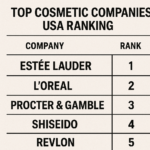
global players like Unilever, Estée Lauder Companies, P&G, and Shiseido also hold significant market share and influence.
Table of Contents
-
🌍 Unveiling the Skincare Giants: A Historical Perspective on Beauty Conglomerates
-
📊 Defining “Biggest”: More Than Just Sales Figures in the Global Skincare Industry
-
Brand Portfolio and Acquisitions: Building a Skincare Empire
-
👑 The Reigning Champion: L’Oréal’s Unrivaled Skincare Dominance
-
L’Oréal’s Skincare Brand Portfolio: From Luxury to Mass Market
-
🌟 Beyond L’Oréal: Other Global Skincare Powerhouses You Should Know
-
1. Estée Lauder Companies: A Legacy of Luxury and Innovation
-
9. Kao Corporation: Japanese Skincare and Haircare Innovators
-
10. LVMH Moët Hennessy Louis Vuitton: Luxury Skincare and Cosmetics
-
🔬 What Makes Them Tick? Signature Strengths of Leading Skincare Brands
-
Sustainable Practices and Ethical Sourcing: The Conscious Consumer
-
🎯 Targeting Your Needs: Top Brands for Specific Skin Concerns
-
Sensitive and Reactive Skin: Gentle Care for Delicate Complexions
-
Brightening and Dark Spot Correction: Illuminating Your Glow
-
🛍️ Navigating the Shelves: Where to Find Your Favorite Skincare Brands
-
🔍 Your Perfect Match: Choosing the Right Skincare Brand for Your Unique Skin
⚡️ Quick Tips and Facts
: Decoding the Skincare Market
Alright, skincare enthusiasts, gather ’round! We’re the expert team from Makeup Brands™, and we’re about to spill the tea on the biggest, most influential players in the global skincare arena. Ever
wondered who truly reigns supreme in your bathroom cabinet? Or perhaps, how many brands are actually out there, and where do they even get their magical ingredients? You’re in for a treat!
Here’s a little secret to kick
things off: did you know there are over 25,000 skincare brands in the U.S. alone? Mind-boggling, right? Yet, most of them are sourcing their ingredients from a mere 25 major
suppliers. It’s like a massive beauty buffet, but everyone’s shopping from the same pantry! This fascinating tidbit highlights why understanding the giants behind the labels is so crucial. It’s not just
about the pretty packaging; it’s about the science, the scale, and the sheer market power.
The global beauty industry is a colossal beast, valued at approximately $15.7 billion in 2023,
with North America alone accounting for about 26% of this market. And guess what? Skincare products remain the most profitable segment of this booming market. We’re talking serious
business here, with projections showing the market could hit roughly $463.5 billion by 2027 at a compound annual growth rate (CAGR) of 5.3%. That
‘s a lot of serums, moisturizers, and sunscreens!
So, who’s at the very top of this glittering pyramid? While many brands vie for your attention, one name consistently emerges as the undisputed champion: L’
Oréal. They’re not just big; they’re a titan, accounting for a staggering 18.7% of the total sales among the top beauty companies in 2024. If you’re curious
about the broader picture of success in cosmetics, you might want to check out our deep dive into Who Is the Most Successful Cosmetic Brand? (2026 Top 10).
But what does “biggest” truly mean? Is it just about revenue, or is there more to the story? We’re going to peel back the layers and explore
how these beauty behemoths operate, what makes them tick, and how their innovations ultimately land in your hands. Get ready to discover the true power players shaping your skincare routine!
🌍 Unveiling the Skincare Giants: A Historical Perspective on Beauty Conglomerates
Before we crown the “biggest,” let’s take a
stroll down memory lane and appreciate the rich history that built today’s skincare empires. These aren’t overnight sensations; many of the brands we adore today are rooted in decades, even centuries, of innovation, strategic growth, and a keen
understanding of consumer desires. It’s a fascinating journey from humble beginnings to global domination!
Think about it: Procter & Gamble (P&G), a household name, was founded way back in 1837! Imagine the world then – no internet, no influencers, just a vision to create products that improve daily life. They’ve maintained market leadership for over 180 years, a testament to their enduring power and adaptability
. Similarly, Johnson & Johnson, another American powerhouse, started in 1886, initially focusing on medical products before expanding into the vast world of consumer health and beauty.
Across
the globe, Kao Brands in Japan began its journey in 1887, steadily building a portfolio of high-quality skincare and sustainable practices. And who could forget Beiersdorf, the German
company behind the iconic Nivea, founded in 1882? These companies laid the groundwork for modern skincare, often pioneering new ingredients and formulations that became industry standards.
Then came the 20th century
, bringing with it a surge of innovation and globalization. L’Oréal, the French giant, was founded over a century ago, starting with hair dye and meticulously expanding into every facet of beauty. Estée Lauder
Companies, a beacon of prestige beauty, emerged in 1946, quickly establishing itself with deluxe skincare, makeup, and fragrance. And from Japan, Shiseido has been a historic leader for over
145 years, blending traditional Japanese aesthetics with cutting-edge science.
These beauty conglomerates didn’t just grow organically; they strategically acquired smaller, innovative brands, expanding their reach and diversifying their offerings. This
constant evolution, driven by research, consumer insights, and smart business decisions, is what has shaped the complex and competitive skincare landscape we see today. It’s a testament to their foresight and relentless pursuit of beauty excellence!
📊 Defining “Biggest”: More Than Just Sales Figures in the Global Skincare Industry
When we talk about
the “biggest” skincare brand, what exactly do we mean? Is it simply who rakes in the most cash? While revenue is undeniably a huge factor, it’s not the only metric we, as beauty experts, consider. The
true measure of a skincare giant lies in a blend of financial muscle, strategic brand building, and an unparalleled global footprint. Let’s break down the different facets that define true dominance in this dazzling industry.
Revenue and Market Share: The Financial Power
houses
Of course, money talks! The companies with the highest revenue and largest market share are often the ones with the resources to invest in groundbreaking research, expansive marketing campaigns, and global distribution networks.
According to WWD’s 20
24 report, the total global beauty sales hit an astounding $252.09 billion. Within this massive pie, L’Oréal stands out, commanding an impressive 18.7
% of total Top 10 sales, with 2024 sales reaching $47.04 billion (€43.48 billion). That’s a significant chunk of the
market, and it shows their undeniable financial prowess.
Other major players with substantial beauty and personal care revenues include:
| Company Name | 2024 Beauty/Skincare Sales (Estimated) | Key Skincare Brands
| Primary Market Focus |
| :—————————- | :————————————- | :————————————————- | :————————————————- |
| L’Oréal | $47.04 billion | L’Oréal Paris, Garnier, CeraVe, La Roche-Posay, Skinceuticals, Kiehl’s, Lancôme | Mass, Professional, Luxury, Active Cosmetics |
| Unilever
| $26.63 billion | Dove, Vaseline, Pond’s, Simple, TRESemmé | Mass Market, Personal Care |
| Estée Lauder Companies
| $15.2 billion | Estée Lauder, Clinique, La Mer, Origins, Aveda | Prestige, Luxury Skincare, Makeup, Fragrance |
| Procter &
Gamble (P&G) | $15 billion | Olay, SK-II, Old Spice, Head & Shoulders | Mass Market, Household Brands |
| **Beiersdorf
** | $8.53 billion | Nivea, Eucerin, La Prairie, Aquaphor | Mass Market, Dermocosmetics, Luxury |
| Shiseido
| $6.5 billion | Shiseido, NARS, Drunk Elephant, bareMinerals | Prestige, Luxury, Japanese Skincare |
| Coty | $6.
1 billion | Philosophy, Lancaster, Kylie Skin, CoverGirl | Fragrance, Cosmetics, Skincare |
| Johnson & Johnson | ~$5.39% of $94.
8 billion total revenue | Neutrogena, Aveeno, Clean & Clear | Consumer Health, Mass Market Skincare |
| Kao Corporation | $12.90 billion
(total company)| Bioré, Jergens, Curel, Kanebo | Mass Market, Japanese Skincare, Haircare |
| LVMH Moët Hennessy Louis Vuitton
| ~$65 billion from skincare (35% of total $86.38 billion) | Dior, Givenchy, Fenty Skin, Fresh, Benefit Cosmetics | Luxury, High-End Skincare
, Makeup, Fragrance |
Note: Some figures, like Johnson & Johnson’s and LVMH’s skincare revenue, are derived from a percentage of their total company revenue as reported by Zippia, as WWD focuses
on overall beauty sales for these conglomerates. This can lead to slight variations in how “biggest” is perceived depending on whether you’re looking at total company size or specific beauty division performance.
Brand
Portfolio and Acquisitions: Building a Skincare Empire
A true skincare giant doesn’t just have one successful brand; they own a vast constellation of brands, each targeting different demographics, price points, and skin concerns. This strategy allows them to capture a
wider audience and dominate various market segments.
Think of it like a master chef with a diverse menu. Companies like L’Oréal and Unilever have built their empires through strategic acquisitions, bringing innovative smaller brands under their umbrella. For instance, L’Oréal
‘s acquisition of brands like CeraVe and SkinCeuticals allowed them to expand their reach into the dermocosmetic and professional skincare markets, respectively. This constant evolution and expansion of their brand family is a key indicator of their power
and influence in the Cosmetics Industry.
Global Reach and Distribution: Conquering Continents
What good is a fantastic product if no one can buy
it? The biggest skincare brands have mastered the art of global distribution, ensuring their products are available in virtually every corner of the world.
L’Oréal, for example, operates over 35 brands in 150 countries
. Unilever’s products reach over 190 countries, with an estimated 2.5 billion daily users. This immense global footprint requires sophisticated supply chains, localized marketing strategies, and a
deep understanding of diverse consumer needs. When you see a brand everywhere from your local drugstore to a high-end department store in another country, you know you’re looking at a true global player. It’s about accessibility, visibility, and making
sure their beauty solutions are never far from your grasp.
👑 The Reigning Champion: L’Oréal’
s Unrivaled Skincare Dominance
Alright, drumroll please! While many companies are formidable forces in the beauty world, when it comes to the sheer scale and influence in skincare, one name consistently stands head and shoulders above the rest: L
‘Oréal. This French beauty behemoth isn’t just big; it’s a global phenomenon, a true titan that has mastered the art of captivating consumers across every segment of the market.
According to WWD’s 20
24 analysis, L’Oréal is the undisputed largest beauty company globally, with 2024 sales reaching an astonishing $47.04 billion (€43.48 billion). This
represents a robust 5.6% increase over the previous year and solidifies their position with an impressive 18.7% share of the total sales among the top 10 beauty companies. Their market
share has even grown by 0.5 percentage points since 2019, demonstrating a consistent upward trajectory.
What makes L’Oréal so incredibly dominant? It’s a combination of strategic vision, relentless
innovation, and an unparalleled ability to connect with consumers. They’ve built an empire that caters to virtually every skincare need and desire, from everyday essentials to luxurious anti-aging treatments.
L’Oréal’s Skincare Brand Portfolio:
From Luxury to Mass Market
One of L’Oréal’s greatest strengths is its incredibly diverse portfolio of brands. They operate over 35 brands in 150 countries, ensuring they have a presence in every
price point and distribution channel imaginable. This means whether you’re browsing the aisles of a drugstore or stepping into a high-end department store, you’re likely encountering a L’Oréal-owned brand.
Let’s talk about some of their
skincare superstars:
- Mass Market Marvels: Brands like L’Oréal Paris and Garnier offer accessible, effective skincare solutions for everyday concerns. Think hydrating cleansers, brightening serums, and reliable sunscreens that won
‘t break the bank. - Dermocosmetic Dynamos: This is where L’Oréal truly shines in the science-backed skincare realm. Brands like CeraVe, known for its ceramides and barrier-repairing
formulas, have become dermatologist favorites and cult classics for sensitive and acne-prone skin. Then there’s La Roche-Posay, a French pharmacy staple, celebrated for its thermal spring water and products designed for sensitive, acne-prone,
and eczema-prone skin. We’ve even heard from Dr. Leslie Baumann that La Roche-Posay offers formulations similar to higher-end brands like SkinCeuticals, but at more affordable prices – a win-win for savvy
skincare shoppers! - Prestige Powerhouses: For those seeking a touch of luxury, L’Oréal’s portfolio includes brands like Lancôme, Kiehl’s, and Skin
Ceuticals. SkinCeuticals, in particular, is revered for its advanced, antioxidant-rich formulations and clinical efficacy, often recommended by dermatologists and estheticians for targeted treatments. - Professional Prowess: L
‘Oréal also has a strong foothold in the professional beauty sector, providing products and training to salons and spas.
This multi-tiered approach allows L’Oréal to capture a vast consumer base, ensuring that no matter your budget or skin concern
, there’s a L’Oréal-owned solution waiting for you.
Innovation and R&D: The Science Behind L’Oréal’s Success
You don’t become the biggest by resting on your laurels. L’Oréal’
s dominance is heavily fueled by its unwavering commitment to research and development (R&D). They invest heavily in scientific innovation, constantly exploring new ingredients, technologies, and formulation techniques.
Their extensive network of research centers and scientists works tirelessly to understand
skin biology, develop cutting-edge active ingredients, and create products that deliver visible results. This dedication to science-backed formulations is what gives their brands credibility and efficacy, earning the trust of both consumers and skincare professionals. It’s not
just about marketing; it’s about the tangible science that goes into every bottle and jar. This focus on scientific rigor is a cornerstone of their success and a key reason why they continue to lead the charge in the ever-evolving world of skincare.
🌟 Beyond L’Oréal: Other Global Skincare Powerhouses You Should Know
While L’Oréal might
wear the crown, the global skincare landscape is rich with other incredible companies that are shaping our routines and pushing the boundaries of beauty innovation. These are the titans, the innovators, and the beloved brands that contribute significantly to the multi-billion-
dollar industry. We’re talking about companies with immense global reach, diverse brand portfolios, and a commitment to delivering effective skincare solutions.
Here’s a closer look at some of the other major players you absolutely need to know:
1. Estée Lauder Companies: A Legacy of Luxury and Innovation
If you’re a fan of prestige beauty, you’re undoubtedly familiar with Estée Lauder Companies. Founded in 1946, this New
York-based giant has built a legacy on deluxe skincare, makeup, and fragrance. They consistently rank among the top beauty companies globally, with estimated sales of $15.2 billion in 2024.
Key Skincare Brands: Their portfolio boasts over 25 prestige brands, including the iconic Estée Lauder itself, Clinique (a dermatologist-developed favorite), La Mer (known for its luxurious Crème de la Mer), Origins, and Aveda.
Signature Strengths: Estée Lauder Companies are renowned for their innovation in anti-aging technologies and their strong presence in department stores and luxury boutiques
worldwide. They’re masters of creating aspirational beauty experiences.
2. Unilever: Diverse Brands for Every Skincare Need
From your kitchen to your bathroom, Unilever is likely a part of your daily life. This Anglo
-Dutch multinational consumer goods company is a massive force in beauty and personal care, with estimated sales of $26.63 billion in 2024. They rank as the second-largest
skincare brand globally by some metrics, reaching over 190 countries with an estimated 2.5 billion daily users.
Key Skincare Brands: Their extensive portfolio includes beloved names like Dove, Vaseline,
Pond’s, and Simple.
Signature Strengths: Unilever excels in providing accessible, effective, and widely distributed mass-market skincare solutions. They focus on everyday essentials and addressing common skin concerns for a broad global
audience.
3. Procter & Gamble (P&G): Household Names in Skincare
Another American titan, Procter & Gamble (P&G), has been a market leader for over 180 years
. While they offer a vast array of consumer goods, their beauty division is a significant player, with estimated sales of $15 billion in 2024. Their products are used by
over five billion people worldwide.
Key Skincare Brands: P&G is home to iconic skincare brands like Olay (a pioneer in anti-aging for the mass market) and the luxury Japanese brand SK
-II.
Signature Strengths: P&G leverages its massive scale and research capabilities to deliver science-backed skincare at accessible price points (Olay) and highly coveted luxury formulations (SK-II).
- Shiseido: Japanese Excellence and Global Influence
Hailing from Tokyo, Japan, Shiseido is a historic leader in beauty, with a legacy spanning over 145 years. They
are a major force in prestige beauty, with estimated sales of $6.5 billion in 2024.
Key Skincare Brands: The eponymous Shiseido brand is at
its core, alongside other prestige names like NARS, Drunk Elephant, and bareMinerals.
Signature Strengths: Shiseido is celebrated for its innovative Japanese skincare technologies, elegant formulations, and a
strong focus on both traditional beauty rituals and modern scientific advancements. They offer a diverse range of skincare and makeup sold in approximately 120 countries.
5. Johnson & Johnson: Healthcare Meets Skincare
Solutions
Johnson & Johnson (J&J), based in the United States, is a healthcare giant with a significant presence in the skincare market. While their total annual revenue is massive at $94.8 billion, a portion
of this, approximately 5.39%, is attributed to skin health and beauty.
Key Skincare Brands: J&J owns some of the most recognizable drugstore skincare brands, including **Neutrogena
** (known for its dermatologist-recommended formulas), Aveeno (celebrated for its oat-based soothing products), and Clean & Clear (a popular choice for acne-prone skin).
Signature Strengths: J&
J leverages its healthcare expertise to develop effective, accessible, and often dermatologist-recommended skincare solutions for a wide range of concerns, from acne to eczema.
6. Coty Inc.: Fragrance Giants Expanding in Skincare
Coty, a New York-based company founded in 1904, is primarily known as a fragrance powerhouse, but they also have a substantial skincare and cosmetics portfolio. They reported estimated sales of $6.1
billion in 2024.
Key Skincare Brands: Coty’s portfolio includes brands like Philosophy, Lancaster, and has expanded into celebrity-backed lines such as Kylie
Skin.
Signature Strengths: Coty’s strength lies in its ability to leverage brand recognition and marketing prowess to introduce skincare lines, often alongside their successful fragrance and makeup offerings.
7. Beiers
dorf AG: NIVEA and Beyond
This German company, founded in 1882, is a major global player, particularly known for its iconic Nivea brand. Beiersdorf reported estimated sales of $8.5
3 billion in 2024. Their CEO, Vincent Warnery, even stated that Beiersdorf was “the best performing skin care company globally” for the second year in a row.
Key Skincare Brands: Their flagship brand, Nivea, generates over $4.79 billion annually on its own. They also own the highly respected dermocosmetic brand **
Eucerin** and the luxury brand La Prairie.
Signature Strengths: Beiersdorf excels in mass-market hydration and protection with Nivea, while also offering advanced, science-backed solutions through Eucer
in and ultra-luxury skincare with La Prairie.
8. Amorepacific: K-Beauty’s Global Ambassadors
From South Korea, Amorepacific has been instrumental in bringing K-Beauty to the global stage.
They reported estimated sales of $3.02 billion in 2024. Interestingly, their revenues in the Americas surpassed Greater China for the first time in 2024.
Key Skincare Brands: Amorepacific is behind popular brands like Laneige (known for its hydrating sleep masks), Hera, Aestura, Illiyoon, and the sensitive skin favorite Cos
rx.
Signature Strengths: Amorepacific is a leader in innovative K-Beauty trends, focusing on unique ingredients, sensorial textures, and effective solutions for a wide range of skin concerns.
9. Kao Corporation: Japanese Skincare and Haircare Innovators
Another Japanese powerhouse, Kao Corporation, reported total company revenue of $12.90 billion in 2022. They have over 17,000 patented products across more than 10 countries.
Key Skincare Brands: Kao owns popular brands like Bioré (famous for its pore strips and cleansers), Jergens (known for body lotions), Curel, and Kanebo.
Signature Strengths: Kao focuses on high-quality Japanese skincare and haircare, often incorporating
advanced scientific research into their widely accessible products.
10. LVMH Moët Hennessy Louis Vuitton: Luxury Skincare and Cosmetics
The ultimate luxury conglomerate, LVMH, based in Paris, France, is
a dominant force in high-end fashion, jewelry, and, of course, beauty. While their total revenue is a staggering $86.38 billion, approximately 35% of this, or around $65 billion, is attributed to
skincare.
Key Skincare Brands: LVMH’s beauty division includes prestigious brands like Dior Beauty, Givenchy, Fenty Skin (Rihanna’s popular line), Fresh,
and Benefit Cosmetics.
Signature Strengths: LVMH excels in creating ultra-luxury, aspirational skincare experiences that blend high fashion with advanced formulations, often leveraging celebrity endorsements and exquisite packaging.
Now, you
might be thinking, “Wait, I saw a different ranking somewhere!” And you’d be right to notice! A popular YouTube video, for instance, presents a countdown of the top 10 skincare brands for 2025
, with L’Oréal still holding the #1 spot. However, it also includes brands like Fenty Skin, Dior Beauty, Chanel, SKYA Transdermic, Clinique, **NIVEA
**, The Ordinary, and Estée Lauder in its top 10, in a slightly different order and with some brands not appearing in the top revenue lists [cite: video 1]. This highlights that “top” can mean
different things – market share, popularity, or perceived effectiveness. Our focus here is on the comprehensive view of “biggest” by market influence and revenue.
Beyond these top-tier conglomerates, there are also incredibly influential brands that, while perhaps
not reaching the same overall revenue as the giants, are recognized for their exceptional efficacy and scientific innovation, often recommended by dermatologists. These are the “hero product” brands that Dr. Leslie Baumann champions, encouraging us to “cherry-pick”
the best from each.
-
Alastin: A leader in anti-aging, known for its unique anti-aging peptide technology, including octapeptide-45 and Tri Hex
technology which clears old collagen. Best for anti-aging, melasma, and dark circles. Their A-Luminate is a hero for skin lightening. -
ISDIN (Spain): Celebr
ated for sunscreens containing DNA repair enzymes (DNA Repairsomes), making them superior for sun protection and skin lightening. Their Melaclear Advanced Gel Serum is a standout. -
PCA Skin: Offers
affordable, dermatologist-developed basic products, particularly effective for acne and skin lightening. The Salicylic acid acne gel and Blemish Control Bar are popular choices. -
Plated Skin Science (USA): At
the forefront of exosome technology, derived from platelets (similar to PRP) and developed at the Mayo Clinic. Their Plated Intense Serum is a game-changer for skin regeneration. -
Zera
fite (South Korea): A leader in barrier repair technology, formulated by cosmetic scientist Dr. Jong-Kyung Youm. Top-selling Korean moisturizer in US dermatologist offices, excellent for dry skin, eczema, and anti-aging by targeting
cellular senescence. -
Hydrinity: Offers some of the strongest retinol available without a prescription, alongside their Hyacyn Active Purifying Mist which contains hypochlorous acid to
control acne bacteria. -
CLN: Utilizes Sodium Hypochlorite to effectively kill acne-causing bacteria without promoting antibiotic resistance, making their acne cleanser a top pick for sensitive and acne-prone skin
. -
Rationale (Australia): Blends real science with luxury, with their #2 The Light Cream being a top pick for oily/combination skin anti-wrinkle care.
-
Revision Skincare: Another luxury science-based brand highly regarded for its advanced formulations and visible results in anti-aging and skin rejuvenation.
These brands, whether massive conglomerates or specialized innovators, collectively paint a vibrant picture of the
global skincare industry, each contributing their unique strengths and solutions to our ever-evolving beauty routines.
🔬 What Makes Them Tick? Signature Strengths of Leading Skincare Brands
So, what’s the secret sauce behind these skincare juggernauts? It’s not just about having a big budget or a famous name. The truly successful brands,
the ones that consistently deliver and resonate with consumers, share a few core strengths that set them apart. As makeup artists, cosmetologists, and estheticians, we see these principles in action every day, and they’re what we advise
our clients to look for when choosing their skincare.
Science-Backed Formulations: The Power of Research
This is perhaps the most critical differentiator. In an age where everyone is a “skincare expert” on social media, the
brands that invest heavily in scientific research and development (R&D) are the ones you can truly trust. They don’t just follow trends; they create them, grounded in rigorous testing and clinical trials.
Think about it: when
Dr. Leslie Baumann, a renowned dermatologist, curates a list of top brands, she’s looking at “research trials, formulation science, and clinical results”. She famously states, “How products are formulated and the
amount and type of ingredients they contain distinguishes the superior skin care brands.” This means understanding the active ingredients, their concentrations, and how they interact to deliver real, visible changes to your skin.
✅
Look for brands that:
- Conduct independent clinical studies.
- Publish their research or have dermatologists involved in product development.
- Clearly list active ingredients and their benefits.
- Focus on **ingredient synergy
** – how ingredients work together for enhanced results.
❌ Be wary of brands that:
- Make vague claims without scientific evidence.
- Rely solely on anecdotal testimonials.
- Don’t provide transparent ingredient lists
.
Brands like SkinCeuticals, Alastin, Plated Skin Science, and ISDIN are prime examples of companies where science isn’t just a buzzword; it’s the foundation of their entire product line
. They’re constantly pushing the boundaries of what’s possible, from peptide technology to DNA repair enzymes.
Sustainable Practices and Ethical Sourcing: The Conscious Consumer
Today’s consumer is more informed
and ethically minded than ever before. We care not just about what goes on our skin, but also about how it impacts the planet and its inhabitants. Leading skincare brands are responding by prioritizing sustainable practices and ethical sourcing.
This includes everything
from using eco-friendly packaging and reducing carbon footprints to ensuring fair labor practices and sourcing ingredients responsibly. L’Oréal, for instance, has a strong focus on sustainability and empowerment, integrating these values into their business
model. Many brands are also moving towards cruelty-free testing, a topic close to our hearts at Cruelty-Free Brands.
✅ Look for brands that:
- Are transparent about their environmental impact and sustainability goals.
- Use recycled or recyclable packaging.
- Are certified cruelty-free (e.g., Leaping Bunny).
- Source
ingredients responsibly, supporting local communities and biodiversity.
❌ Be wary of brands that:
- “Greenwash” – making vague environmental claims without concrete actions.
- Lack transparency about their supply chain.
This shift towards conscious beauty
isn’t just a trend; it’s a fundamental change in how the industry operates, driven by consumer demand for products that are good for both them and the world.
Digital Engagement and E-commerce: Reaching You Everywhere
In
our increasingly digital world, a brand’s online presence is just as crucial as its physical one. The biggest skincare brands have mastered digital engagement and e-commerce, making it easier than ever for you to discover, purchase, and learn
about their products.
This means having user-friendly websites, engaging social media content, and seamless online shopping experiences. We’ve seen how e-commerce has propelled brands like Proya and Chicmax to significant growth, with
online revenue soaring. They’re not just selling products; they’re building communities, offering personalized recommendations, and providing valuable educational content.
✅ Look for brands that:
-
Have intuitive and informative websites.
-
Offer online skin quizzes or virtual consultations.
-
Are active and responsive on social media platforms.
-
Provide clear product information, reviews, and tutorials.
❌ Be wary of brands that:
- Have
outdated or difficult-to-navigate online platforms. - Lack customer support or engagement online.
The ability to connect with consumers directly, share knowledge, and offer convenient shopping options is a hallmark of modern skincare leadership. It’s about
meeting you where you are, whether that’s scrolling through Instagram or searching for the perfect serum from the comfort of your couch.
🎯 Targeting Your Needs: Top Brands for Specific Skin Concerns
One size rarely fits all, especially when it comes to skincare! What works wonders for your best friend’s oily, acne-prone skin might leave your dry
, sensitive complexion feeling tight and irritated. That’s why understanding which brands excel at targeting specific skin concerns is absolutely vital. Our team at Makeup Brands™ believes in a personalized approach, and thankfully, the industry’s leading players offer specialized
solutions for virtually every skin challenge.
As Dr. Leslie Baumann wisely advises, instead of blind brand loyalty, it’s often best to “cherry-pick the ‘hero products’ from each of the best skincare brands and combining them into a regimen
tailored to your Baumann Skin Type®”. Let’s dive into some of the top contenders for common skin concerns, drawing insights from dermatologists and our own expert experiences.
Anti-Aging Solutions: Turning Back the Clock
Ah, the quest for youthful radiance! Anti-aging is a massive segment of the skincare market, and many brands pour significant resources into developing innovative formulas to minimize wrinkles, improve elasticity, and restore a youthful glow.
- Al
astin: ✅ A true leader in anti-aging, particularly known for its unique peptide technology. Their Tri Hex technology helps clear out old, damaged collagen and elastin, making way for new, healthy skin.
Their Regenerating Skin Nectar is a favorite for pre- and post-procedure enhancement. - Zerafite: ✅ This Korean-influenced brand offers the Wrinkle Defense Barrier Cream, which targets cellular senescence (the aging of cells) to combat wrinkles and improve skin barrier function.
- DefenAge: ✅ Utilizes revolutionary defensins to stimulate LGR6+ stem cells, promoting skin regeneration and a
more youthful appearance. - Plated Skin Science: ✅ Harnesses cutting-edge platelet-derived exosome technology (similar to PRP) to rejuvenate the skin and address signs of aging. Their Plated Intense Serum is
highly regarded. - Pavise: ✅ Their Bioadaptive Stress Repair line combines powerful antioxidants and niacinamide to protect against environmental stressors and reduce visible signs of aging.
- Rationale (Australia): ✅ Blends luxury with science. Their #2 The Light Cream is a top pick for oily/combination skin seeking anti-wrinkle care.
- Estée Lauder: ✅ Their
Advanced Night Repair Serum is a classic for a reason, focusing on overnight repair and renewal to reduce the appearance of multiple signs of aging.
Acne-Prone Skin: Clearing the Way to Confidence
Dealing with acne can be incredibly
frustrating, but thankfully, many brands specialize in powerful, effective solutions. The best acne treatments often combine antimicrobial agents, retinoids, and ingredients that regulate oil production.
-
CLN: ✅ A standout for bacterial and fungal acne,
using Sodium Hypochlorite to kill acne-causing bacteria without contributing to antibiotic resistance. Their Acne Cleanser is effective without causing dryness or irritation. -
La Roche-Posay: ✅ Their
Effaclar line is a godsend for acne-prone and oily skin. The Effaclar Adapalene Gel 0.1% is one of the strongest non-prescription acne medications available, a powerful retinoid that helps
clear pores and reduce inflammation. -
Hydrinity: ✅ Offers some of the strongest over-the-counter retinol available, combined with their Hyacyn Active Purifying Mist containing
hypochlorous acid to control acne bacteria. -
PCA Skin: ✅ Provides affordable, dermatologist-developed products for acne, including their effective Salicylic acid acne gel and Blemish Control
Bar. -
Obagi: ✅ Known for its comprehensive systems, like Clenziderm, which features 5% Benzoyl Peroxide lotion for powerful acne treatment.
-
Jan Marini: ✅ Offers strong retinols, benzoyl peroxide, and salicylic acid in its acne treatment lines.
-
CeraVe: ✅ Their Acne Foaming Cream
Cleanser with benzoyl peroxide and ceramides is a gentle yet effective option for clearing breakouts while maintaining the skin barrier.
Sensitive and Reactive Skin: Gentle Care for Delicate Complexions
For those with sensitive skin, finding products that
soothe rather than irritate is a constant challenge. These brands prioritize gentle, hypoallergenic, and barrier-supporting formulations.
- La Roche-Posay: ✅ A perennial favorite for sensitive skin, thanks to its soothing thermal spring water and minimalist
formulations. Their Toleriane and Cicaplast lines are excellent for calming irritation and repairing the skin barrier. - Cetaphil (Galderma): ✅ A dermatologist-recommended classic, known for its
gentle cleansers and moisturizers that are free from harsh irritants and fragrances. - Bioderma (Naos): ✅ Their Crealine/Sensibio range is a cult favorite, particularly the mic
ellar water, designed to gently cleanse and soothe sensitive, reactive skin. - Cosrx (Amorepacific): ✅ This K-Beauty brand offers many products specifically formulated for sensitive and acne-prone skin
, often featuring calming ingredients like snail mucin and centella asiatica. - Aveeno (Johnson & Johnson): ✅ Utilizes colloidal oatmeal to soothe and protect sensitive, irritated, and eczema-prone
skin.
Hydration and Dry Skin Relief: Quenching Thirsty Skin
Dry skin needs serious hydration and barrier support to prevent moisture loss. These brands are experts at delivering intense moisture and strengthening the skin’s natural defenses.
Zerafite: ✅ The undisputed champion for dry skin, particularly due to its superior barrier repair technology. Dr. Baumann notes its “Maltese cross pattern” under a microscope, indicating effective barrier repair – a crucial aspect for truly
addressing dry skin and eczema. Their Skin Brightening Barrier Cream is a hero product.
- CeraVe: ✅ Their range of moisturizers, packed with essential ceramides and
hyaluronic acid, are excellent for restoring and maintaining the skin barrier, providing long-lasting hydration. - Nivea (Beiersdorf): ✅ The classic Nivea Creme is a rich, occlusive moisturizer that provides
intense hydration and protection, especially for very dry areas. - Vaseline (Unilever): ✅ While simple, petroleum jelly is an incredibly effective occlusive, sealing in moisture and protecting compromised skin barriers.
- K
iehl’s: ✅ Their Ultra Facial Cream is a beloved classic, offering 24-hour hydration and barrier protection in a lightweight, non-greasy formula.
Sun Protection Heroes: Shielding Your Skin from Harm
Sunscreen is the single most important step in any skincare routine, bar none! These brands offer superior protection against harmful UV rays, often with added benefits.
- ISDIN: ✅ Considered superior due to their inclusion of DNA repair
enzymes (DNA Repairsomes), which help to repair sun-induced damage while protecting the skin. Available in tinted and untinted options. - EltaMD: ✅ A top affordable brand with
a diverse range of options, including reef-safe, aerosol, and tinted formulas. Their UV Clear Broad-Spectrum SPF 46 is a perennial favorite for acne-prone and sensitive skin.
La Roche-Posay:** ✅ Their Anthelios line offers excellent broad-spectrum protection. A quick tip from us: the European formulations of Anthelios are often preferred for their advanced filters, so keep an eye out if
you’re traveling!
- Pavise: ✅ Offers vegan, SPF 30, reef-safe sunscreens that even contain diamonds for a unique touch. Best for rosacea and sensitive skin.
- Supergoop!: ✅ Known for its innovative and cosmetically elegant sunscreen formulas that make daily wear enjoyable, from invisible gels to glow-inducing lotions.
Brightening and Dark Spot Correction:
Illuminating Your Glow
Hyperpigmentation, dark spots, and uneven skin tone are common concerns. These brands offer powerful ingredients to brighten the complexion and fade discoloration.
- Alastin: ✅ Their **A-Luminate
** is specifically designed for skin lightening, addressing melasma and dark circles with unique ingredients. - ISDIN: ✅ The Melaclear Advanced Gel Serum is a hero product for skin lightening and evening
out skin tone. - Medature: ✅ Features HydroBright, which contains hexylresorcinol, a strong tyrosinase inhibitor that helps reduce melanin production and brighten the skin.
- Cyspera & Sente: ✅ These brands utilize cysteamine, a powerful ingredient known for its efficacy in lightening skin and treating hyperpigmentation.
Obagi:** ✅ Their systems are designed to inhibit melanin production, effectively treating various forms of hyperpigmentation.
- PCA Skin: ✅ Offers affordable yet effective skin lightening products, making targeted treatment accessible.
- Zerafite: ✅ Their moisturizers with unsaturated fatty acids can actually enhance the efficacy of lightening products, making them a great companion to your brightening routine.
Remember, consistency
is key with any targeted treatment. Finding your hero products for each concern, and integrating them into a well-rounded routine, is the path to your best skin!
🛍️ Navigating the Shelves: Where to Find Your Favorite Skincare Brands
So, you’ve got your wishlist of hero products and powerhouse brands. Now, where do
you actually find them? The beauty of today’s skincare market is its incredible accessibility. From luxurious department stores to the convenience of online shopping, your favorite formulas are often just a click or a short trip away. Let’s explore the
various avenues for stocking up on your skincare essentials!
Department Stores and Luxury Boutiques
For the ultimate in prestige and personalized service, department stores and dedicated luxury boutiques are your go-to. Here, you’ll find the high
-end brands that often come with a more opulent experience.
- Brands you’ll find: Estée Lauder, Shiseido, La Mer, Dior Beauty, Lancôme, Kie
hl’s, and many of the luxury brands under the LVMH umbrella. - Experience: Expect beautifully designed counters, knowledgeable sales associates who can offer personalized consultations, and often complimentary samples or gift-with-purchase promotions
. It’s a fantastic place to try out textures and scents before committing. - Examples: Nordstrom, Sephora (for many prestige brands), Ulta Beauty (also carries a mix), Saks Fifth Avenue, Bloomingdale’s.
Drugstores and Mass Retailers
For everyday essentials and incredibly effective, budget-friendly options, your local drugstore or mass retailer is a treasure trove. This is where accessibility truly shines!
- Brands you’ll find: L
‘Oréal Paris, Garnier, CeraVe, La Roche-Posay, Neutrogena, Aveeno, Nivea, Dove, Olay, Bioré, and
Vaseline. - Experience: These stores offer convenience and affordability. While you might not get a personalized consultation, the sheer volume of products means you can easily compare and contrast. Many of these brands are dermatologist-recommended and deliver
fantastic results without the hefty price tag. - Examples: CVS, Walgreens, Target, Walmart.
Online Retailers and Brand Websites
The digital age has revolutionized how we shop for skincare. Online platforms offer unparalleled selection, competitive
pricing, and the convenience of shopping from anywhere, anytime.
-
Brands you’ll find: Virtually all brands have an online presence! You can purchase directly from a brand’s official website (e.g., L’Oréal Paris, CeraVe), or through large online beauty retailers.
-
Experience: Online shopping provides access to a wider
range of products, often including exclusive online-only items. You can read countless user reviews, compare ingredients, and take advantage of online-exclusive sales. Many brands offer virtual try-on tools or skin quizzes to help guide your choices. -
Examples: Amazon (e.g., CeraVe Hydrating Facial Cleanser), Sephora.com, Ulta.com, Dermstore.com, Skinstore.com.
-
Specialized Platforms: For medical-grade and dermatologist-curated selections
, sites like SkinTypeSolutions.com (where you can even use a discount code like “STSBlog20” for 20% off!) are invaluable. This is where you’ll find brands like
Alastin, ISDIN, PCA Skin, Plated Skin Science, Zerafite, and Hydrinity.
Professional Skincare Clinics and Spas
For
truly specialized, medical-grade, or professional-strength products, a visit to a dermatologist’s office, medical spa, or high-end aesthetic clinic is often necessary.
- Brands you’ll find: Many of the highly
effective, science-backed brands like SkinCeuticals, Alastin, Plated Skin Science, Revision Skincare, and Obagi are often sold exclusively through professional channels. - Experience: This
is where you receive expert advice from licensed professionals who can assess your skin, recommend specific treatments, and guide you to the most potent and effective products for your unique concerns. It’s an investment in your skin health with professional oversight.
No
matter your preference, the world of skincare is literally at your fingertips. Happy shopping, and remember to always choose products that align with your skin’s unique needs!
🔍 Your Perfect Match: Choosing the Right Skincare Brand for Your Unique Skin
Alright, we’ve explored the giants, the innovators, and where
to find them. But here’s the million-dollar question: how do you navigate this vast ocean of options to find the absolute best skincare brand for your unique skin? It can feel overwhelming, like trying to pick a
single star from the entire galaxy! But fear not, because as your expert team at Makeup Brands™, we’re here to equip you with the knowledge to make informed, confident choices.
The truth is, there’s no single ”
best” brand for everyone. Your perfect match is a deeply personal journey, influenced by your skin type, concerns, lifestyle, and even your values. Let’s break down how to become your own skincare detective!
Understanding Your Skin Type and Concerns
This is the absolute first step, and it’s non-negotiable. You wouldn’t buy shoes without knowing your size, right? The same goes for skincare!
- Identify Your Skin Type: Are you oily, dry
, combination, or normal? Do you experience sensitivity or redness regularly? Knowing this foundational information will immediately narrow down your options. - Pinpoint Your Primary Concerns: Are you battling acne, hyperpigmentation, fine lines, or
extreme dryness? Perhaps it’s a combination? Focus on the issues that bother you most, as this will guide you towards brands and products specifically formulated to address them. - Consider Your Environment: Do you live in a humid climate or
a dry one? Are you exposed to a lot of pollution? Environmental factors play a huge role in your skin’s needs.
Dr. Leslie Baumann’s concept of Baumann Skin Type® (one of 16 types!) is a fantastic framework for understanding your skin’s unique characteristics, encouraging you to “cherry-pick” hero products rather than sticking to one brand. This personalized approach is something we wholeheartedly endorse.
Ingredient
Focus: What’s Inside Matters
Once you know your skin’s needs, it’s time to become an ingredient sleuth! The efficacy of a product lies in its formulation. Don’t just fall for marketing hype; flip
that bottle over and read the ingredient list.
-
Research Key Actives: Familiarize yourself with ingredients known to target your concerns. For example:
-
Acne: Salicylic Acid, Benzoyl Peroxide, Retin
oids (Adapalene, Retinol), Niacinamide, Hypochlorous Acid. -
Anti-Aging: Retinoids, Peptides, Vitamin C, Hyaluronic Acid, Growth Factors, Exosomes.
-
Hydration: Hyaluronic Acid, Glycerin, Ceramides, Squalane, Fatty Acids.
-
Brightening: Vitamin C, Niacinamide, Alpha Arbutin, Kojic Acid, Hex
ylresorcinol. -
Sensitivity: Centella Asiatica, Colloidal Oatmeal, Thermal Spring Water, Ceramides.
-
Understand Concentrations: Sometimes, it’s not just what an ingredient is
, but how much of it is present. While brands don’t always disclose percentages, reputable brands often highlight key active concentrations. -
Avoid Irritants (if sensitive): If you have sensitive skin, look
out for common irritants like strong fragrances, certain alcohols, and harsh sulfates.
Remember Dr. Baumann’s quote: “How products are formulated and the amount and type of ingredients they contain distinguishes the superior skin care brands.” This is your mantra!
Budgeting for Your Beauty: High-End vs. Affordable Options
Let’s be real: skincare can get pricey! But here’s the good news: effective skincare doesn’t
always have to break the bank. There are fantastic options at every price point.
- High-End Luxury: Brands like La Mer, SkinCeuticals, Alastin, Plated Skin Science,
Rationale, and Revision Skincare often come with a higher price tag due to extensive R&D, patented technologies, luxurious ingredients, and sophisticated packaging. These can be excellent investments for targeted concerns or if you
appreciate the sensorial experience. - Affordable & Effective: Brands like CeraVe, La Roche-Posay, The Ordinary, Nivea, and Neutrogena offer incredible value. They often
utilize well-researched, effective ingredients in straightforward formulations, making them accessible to a wider audience. Don’t underestimate their power! - Strategic Splurging: Our advice? Invest in your “active” products – serums
, treatments, and sunscreens – where the formulation truly matters. You can often save on cleansers and basic moisturizers.
Reading Reviews and Seeking Expert Advice
You’re not alone in this journey! Leverage the collective wisdom of
others and, when in doubt, consult a professional.
- Read Reputable Reviews: Look for reviews from people with similar skin types and concerns. Pay attention to consistent feedback regarding efficacy, texture, and potential irritation.
Consult a Professional: For persistent concerns, or if you’re unsure about your skin type, a dermatologist or licensed esthetician is your best resource. They can provide a personalized assessment, recommend specific products or treatments, and help
you build a routine tailored to your needs. This is especially true for medical-grade brands often sold exclusively through professional channels.
By combining self-awareness, ingredient knowledge, budget savvy, and expert guidance, you’ll be well on
your way to finding your perfect skincare brand and achieving the healthy, radiant skin you deserve!
📈 The Future of
Skincare: Trends Shaping the Industry
The skincare world is a dynamic, ever-evolving landscape, constantly buzzing with new discoveries, innovative technologies, and shifting consumer demands. As your expert team, we’re always looking ahead, anticipating the
next big thing that will revolutionize how we care for our skin. The future of skincare isn’t just about new products; it’s about a holistic, personalized, and increasingly sustainable approach to beauty.
The industry’s growth is largely
driven by “advancements in technology, increasing consumer awareness, and a focus on sustainability”. These aren’t just buzzwords; they’re powerful forces reshaping everything from product development to how brands interact with you
. So, what exciting trends are on the horizon, and how might they impact your skincare journey?
Personalization and AI in Skincare
Imagine a skincare routine crafted exclusively for your skin, down to the molecular level. That
‘s the promise of personalization and AI in skincare, and it’s rapidly becoming a reality.
- DNA-Based Skincare: Companies are developing tests that analyze your genetic predispositions to certain skin conditions (like collagen breakdown or antioxidant deficiencies) and then formulate products specifically to address those needs.
- AI-Powered Diagnostics: Apps and devices are emerging that use artificial intelligence to analyze your skin’s condition (hydration levels, redness, pore size, etc.) through selfies or specialized sensors. They then recommend products or even create custom formulas on the spot.
- Custom Blending Services: Brands are offering services where you can select specific active ingredients, and they’ll blend a
fresh, personalized serum or moisturizer for you, often based on a detailed questionnaire or skin analysis.
This trend is all about moving away from generic solutions and towards highly targeted, effective treatments that truly understand your unique skin signature.
Clean
Beauty and Sustainability
The “clean beauty” movement isn’t fading; it’s evolving and becoming more deeply intertwined with sustainability. Consumers are increasingly demanding products that are not only effective but also ethically produced, environmentally friendly, and free from
potentially harmful ingredients.
- Ingredient Transparency: Expect even greater transparency regarding ingredient sourcing, manufacturing processes, and the environmental impact of formulations.
- Eco-Friendly Packaging: The push for refillable packaging, biodegradable materials, and plastic
-free solutions will intensify. Brands like L’Oréal are already prioritizing sustainability, and this will only grow. - Waterless Formulations: To conserve water, we’ll see more concentrated, water-
free products like solid serums, powders, and balms. - Upcycled Ingredients: Utilizing byproducts from other industries (like fruit peels or coffee grounds) to create new, active skincare ingredients is a growing trend.
This shift
reflects a deeper consciousness among consumers, who want their beauty choices to align with their values for a healthier planet.
Dermocosmetics and Medical-Grade Skincare
The line between traditional cosmetics and pharmaceutical-grade treatments is blurring, giving
rise to the booming category of dermocosmetics and medical-grade skincare. These products are formulated with high concentrations of active ingredients, often backed by clinical research, and are frequently recommended or sold by dermatologists and plastic surgeons.
Science-First Approach: Expect continued emphasis on ingredients like retinoids, peptides, growth factors, and advanced antioxidants, delivered in stable and effective formulations.
- Focus on Skin Barrier Health: Understanding the skin barrier’s crucial
role in overall skin health will drive innovation in products designed to strengthen, repair, and protect it (think more ceramides, fatty acids, and pre/probiotics). - Post-Procedure Care: A growing segment focuses on products designed
to support skin healing and optimize results after aesthetic procedures like lasers, peels, and injectables.
Brands like SkinCeuticals, Alastin, PCA Skin, and Zerafite are already leaders in this space,
and we anticipate even more sophisticated, science-driven solutions emerging.
The Rise of Ingestible Beauty
Beauty from within is gaining serious traction! Ingestible beauty, or “nutricosmetics,” involves supplements and functional foods designed to support
skin health from the inside out.
- Collagen Supplements: Already popular, these will continue to evolve with new forms and delivery methods.
- Antioxidant and Vitamin Blends: Targeted supplements featuring vitamins, minerals, and
botanical extracts to combat oxidative stress, support hydration, and promote a clear complexion. - Gut-Skin Axis Focus: A deeper understanding of the connection between gut health and skin conditions (like acne and eczema) will lead to more probiotic
and prebiotic supplements aimed at improving skin.
This trend acknowledges that true radiance often starts from within, complementing topical treatments for a comprehensive approach to beauty.
The future of skincare is bright, exciting, and increasingly tailored to you. Get ready for
a world where your skincare routine is smarter, more sustainable, and more effective than ever before!