Support our educational content for free when you purchase through links on our site. Learn more
🏆 Who Is the Most Successful Cosmetic Brand? (2026 Top 10)


The undisputed champion of the global beauty empire is L’Oréal Paris, a powerhouse that dominates not just in revenue but innovation, longevity, and cultural impact. When you ask What is the most successful cosmetic brand?, the data points squarely to this French giant, which has consistently outperformed competitors by mastering the delicate balance between mass-market accessibility and high-end luxury.
But success isn’t a one-size-fits-all metric; while L’Oréal wins the financial war, brands like Fenty Beauty revolutionized inclusivity, and Dove captured the world’s heart with authenticity. Did you know that Huda Kattan started her empire with a mere $6,0 loan from her sister, proving that sometimes the most successful brands begin with the smallest sparks?
We’ve analyzed revenue, social engagement, consumer loyalty, and historical resilience to bring you the definitive ranking of the industry’s titans. Whether you’re a beauty mogul in the making or just curious about who owns your favorite lipstick, this guide breaks down the winners and the runners-up.
Key Takeaways
- L’Oréal Paris reigns supreme as the most successful cosmetic brand globally, leading in revenue, R&D investment, and market share.
- Fenty Beauty and Rare Beauty redefine success through inclusivity and community-driven growth, disrupting traditional luxury models.
- Longevity matters: Brands like Guerlain and Shiseido prove that surviving nearly two centuries is a unique form of success.
- Social media engagement does not always equal sales conversion; high follower counts (like Dove’s) don’t guarantee the top revenue spot.
- Success is multifaceted: It depends on whether you measure by profit, cultural impact, innovation, or customer loyalty.
Ready to shop the winners? Explore our curated lists for L’Oréal Paris, Fenty Beauty, and Rare Beauty to experience the brands that are shaping the future of beauty.
Table of Contents
- ⚡️ Quick Tips and Facts
- 📜 A Brief History of Cosmetic Titans: From Ancient Potions to Modern Empires
- 🏆 The Top 10 Most Successful Cosmetic Brands of 2024
- 1. L’Oréal Paris: The Global Giant That Won the World
- 2. Estée Lauder: The Queen of Luxury Skincare
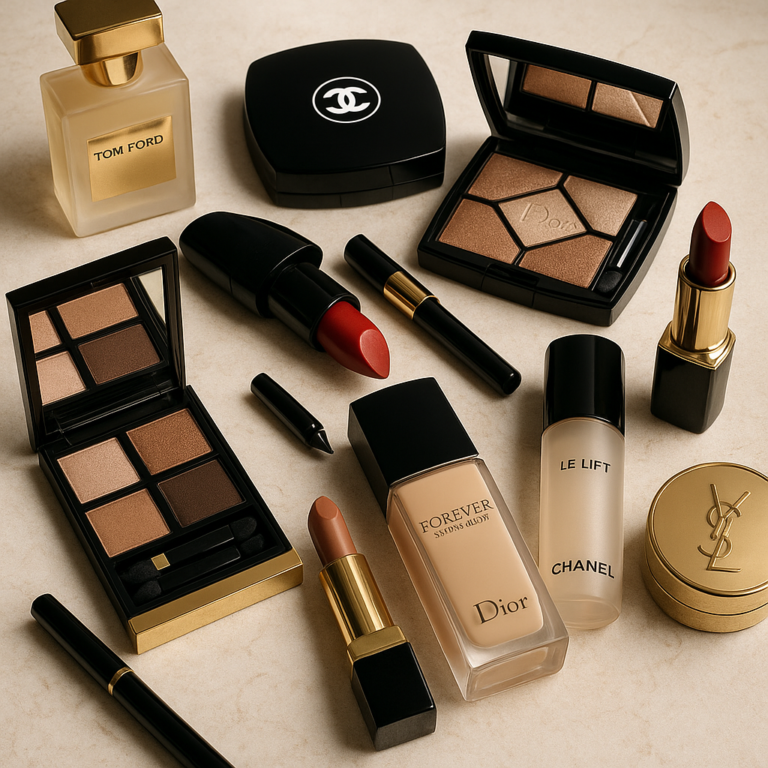
- 3. Chanel: Where Fashion Mets Fragrance and Makeup
- 4. Dior: The Art of High-End Beauty
- 5. MAC Cosmetics: The Professional’s Choice
- 6. Fenty Beauty: The Disruptor That Changed the Game
- 7. Sephora Collection: The Retailer’s Secret Weapon
- 8. Clinique: The Dermatologist-Approved Pioneer
- 9. Shiseido: The Japanese Master of Innovation
- 10. Revlon: The Affordable Icon That Stands the Test of Time
- 💰 The Top 10 Richest Cosmetic Brands by Revenue in 2024
- 📸 The Most Popular Cosmetic Brands on Instagram in 2024
- 🕰️ The Most Long-Standing Cosmetic Brands Still Thriving in 2024
- ❤️ Cosmetic Brands with the Highest Consumer Interest and Loyalty in 2024
- 🔍 Methodology: How We Defined “Success” Beyond Just Sales
- 🧪 Key Study Findings: What Makes a Brand Truly Successful?
- 🚀 Beyond the Numbers: The Future of Beauty and Emerging Trends
- 💡 Quick Tips and Facts for Aspiring Beauty Moguls
- 📚 Recommended Links
- ❓ FAQ: Your Burning Questions About the Beauty Industry Answered
- 📖 Reference Links
⚡️ Quick Tips and Facts
Before we dive into the deep end of the beauty ocean, let’s drop anchor with some hard-hitting truths that might just flip your perspective on what “success” really looks like in the cosmetic industry.
- Success isn’t just about cash: While revenue is king, a brand can be “rich” influence but poor in loyalty. We’ve seen empires crumble because they forgot the human element.
- The “Viral” Trap: Just because a brand is trending on TikTok doesn’t mean it’s a long-term winner. Fenty Beauty didn’t just go viral; it solved a problem (inclusive shade ranges) that the industry ignored for decades.
- The Power of the “First”: Did you know Huda Beauty started with a mere $6,0 loan from her sister? That’s less than the cost of a luxury handbag today! Yet, it grew into a billion-dollar empire by focusing on scrappy innovation rather than massive initial capital. Watch the story of Huda Beauty’s rise here.
- Longevity vs. Hype: Guerlain, founded in 1828, is still crushing it. That’s nearly two centuries of success. Meanwhile, some “instant” celebrity brands fade before their first anniversary.
- The Social Media Paradox: Dove has the most Instagram followers (48.9M), but L’Oréal often tops the revenue charts. Why? Because engagement doesn’t always equal conversion.
Curious why some brands with fewer followers make more money? We’ll uncover the secret sauce of profit margins and distribution strategies later in this article.
📜 A Brief History of Cosmetic Titans: From Ancient Potions to Modern Empires

To understand who the most successful cosmetic brand is today, we have to look at where we came from. The beauty industry didn’t start with Instagram influencers; it started with clay, crushed beetles, and olive oil.
The Ancient Foundations
Long before Estée Lauder or Chanel existed, the Egyptians were using kohl for eye definition and henna for hair. The Romans used lead-based face powders (yikes!) to achieve a pale complexion. But the real shift happened when science met art.
The Industrial Revolution & The Birth of Giants
The late 19th and early 20th centuries saw the rise of the first true cosmetic conglomerates.
- 1828: Guerlain opens in Paris, establishing the blueprint for the luxury perfume and makeup house.
- 187: Shiseido begins as a pharmacy in Tokyo, eventually pivoting to cosmetics, proving that Asian beauty innovation was centuries ahead of the West.
- 1909: Eugène Schueller (founder of L’Oréal) mixes his first hair dye in a Parisian kitchen. His motto? “I want to make beauty accessible to everyone.”
The Modern Era: Democratization and Disruption
Fast forward to the 20s and 2010s. The game changed from “exclusive luxury” to inclusive accessibility.
- MAC Cosmetics broke barriers by selling to everyone, regardless of gender or skin tone, long before it was trendy.
- Fenty Beauty (2017) forced the entire industry to expand their shade ranges, proving that inclusivity is a business imperative, not just a moral one.
For a deeper dive into how these giants evolved, check out our guide on Cosmetics Industry trends.
🏆 The Top 10 Most Successful Cosmetic Brands of 2024
So, who takes the crown? We analyzed revenue, social engagement, consumer search volume, brand age, and innovation to bring you the definitive list. Note that “success” is a composite score, not just a bank account balance.
1. L’Oréal Paris: The Global Giant That Won the World
Success Score: 90/10
Why they win: L’Oréal isn’t just a brand; it’s an ecosystem. They own Maybelline, Kiehl’s, YSL, and Urban Decay. Their ability to dominate both the drugstore and luxury markets is unmatched.
- Revenue: Exceeds $4.74 billion in the beauty division alone.
- Social Dominance: 14.9M Instagram followers and massive TikTok engagement.
- The Secret Sauce: They invest heavily in R&D. If you’ve ever used a “miracle” anti-aging cream, chances are L’Oréal’s scientists developed the technology first.
👉 Shop L’Oréal Paris on: Amazon | Walmart | L’Oréal Official
2. Estée Lauder: The Queen of Luxury Skincare
Success Score: 8/10
Why they win: While L’Oréal wins on volume, Estée Lauder wins on prestige. Their Advanced Night Repair serum is a cult classic that has sold millions of units for decades.
- Portfolio Power: Owns MAC, Bobi Brown, Tom Ford Beauty, and La Mer.
- Consumer Loyalty: Their customers are notoriously loyal, often sticking with the brand for generations.
- Inovation: They were pioneers in anti-aging technology and continue to lead in biotech skincare.
3. Chanel: Where Fashion Mets Fragrance and Makeup
Success Score: 86/10
Why they win: Chanel is the ultimate aspirational brand. Their N°5 perfume is the best-selling fragrance in history, and their makeup line (think Rouge Coco lipsticks) is the gold standard for luxury color cosmetics.
- Exclusivity: They rarely discount, maintaining high brand equity.
- Cultural Impact: Every release is an event.
4. Dior: The Art of High-End Beauty
Success Score: 85/10
Why they win: Dior balances heritage with modernity. Their Backstage line brought high fashion to the masses, while their Capture Totale skincare line dominates the luxury anti-aging market.
- Social Media: Massive engagement on Instagram and TikTok, driven by celebrity ambassadors.
- Product Innovation: Consistently ranks high in consumer satisfaction for foundation and lipstick textures.
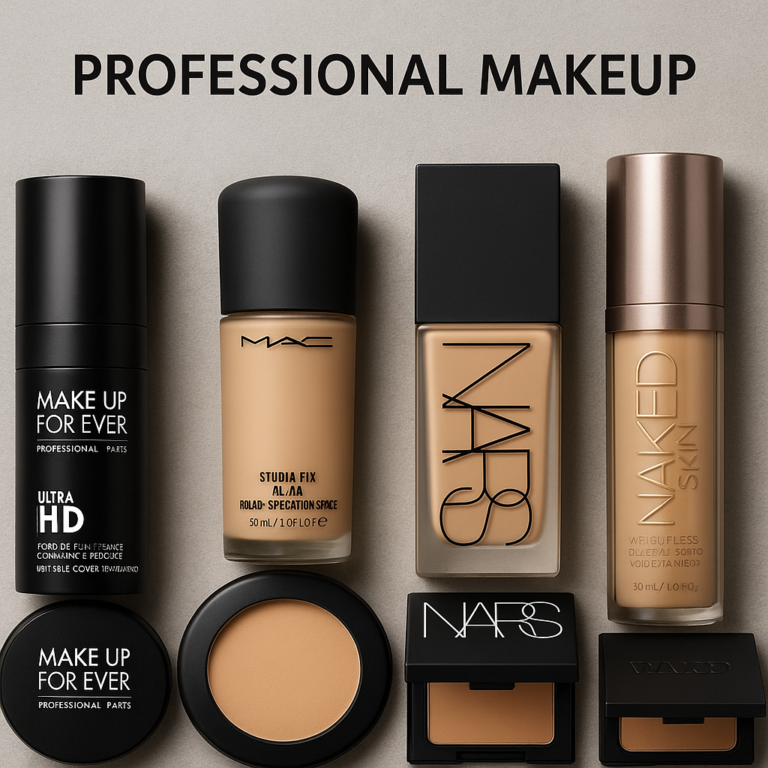
5. MAC Cosmetics: The Professional’s Choice
Success Score: 84/10
Why they win: MAC is the backbone of the professional makeup artist world. Their Viva Glam campaign, which donates 10% of proceeds to HIV/AIDS charities, set a new standard for corporate social responsibility.
- Inclusivity: They were one of the first to offer a massive range of foundation shades.
- Versatility: From studio artists to everyday consumers, MAC works for everyone.
6. Fenty Beauty: The Disruptor That Changed the Game
Success Score: 83/10
Why they win: In just a few years, Fenty Beauty forced the entire industry to catch up. Their 40-shade foundation launch was a cultural reset.
- Revenue Impact: Generated $10 million in its first 40 days.
- Search Volume: Consistently tops Google search trends for “inclusive makeup.”
- Legacy: Even if other brands now match their shade range, Fenty owns the mindshare of inclusivity.
7. Sephora Collection: The Retailer’s Secret Weapon
Success Score: 82/10
Why they win: Sephora proved that a retailer could launch a brand that rivals the giants. Their Clean at Sephora initiative and affordable, high-quality products have made them a top contender.
- Data Advantage: They know exactly what customers want because they see the sales data of every other brand.
- Speed to Market: They can launch a trend (like clean beauty or skinimalism) faster than anyone else.
8. Clinique: The Dermatologist-Approved Pioneer
Success Score: 81/10
Why they win: Clinique built its empire on science and safety. Their “3-Step System” is still a best-seller decades later.
- Trust Factor: All products are allergy-tested and 10% fragrance-free, appealing to sensitive skin types.
- Stability: While trends come and go, Clinique remains a steady performer in the skincare market.
9. Shiseido: The Japanese Master of Innovation
Success Score: 80/10
Why they win: Shiseido combines Eastern philosophy with Western science. Their Ultimune power serum is a global icon.
- Global Reach: They have a massive presence in Asia, Europe, and the Americas.
- Tech Focus: Leading the way in biotech skincare and sustainable packaging.
10. Revlon: The Affordable Icon That Stands the Test of Time
Success Score: 79/10
Why they win: Revlon proves you don’t need to be expensive to be successful. They are the go-to for drugstore quality that rivals high-end brands.
- Accessibility: Available in almost every corner of the world.
- Resilience: Despite market shifts, Revlon continues to innovate with products like the ColorStay line.
💰 The Top 10 Richest Cosmetic Brands by Revenue in 2024
Let’s talk numbers. While “success” is multifaceted, revenue is the ultimate scorecard for financial might. Here’s how the giants stack up.
| Rank | Brand | Parent Company | Estimated Annual Revenue (Beauty Division) | Key Revenue Driver |
|---|---|---|---|---|
| 1 | L’Oréal | L’Oréal Group | $4.74 Billion+ | Global mass & luxury dominance |
| 2 | Procter & Gamble | P&G | $82.06 Billion (Total) | Olay, Herbal Essences, Old Spice |
| 3 | Estée Lauder | Estée Lauder Companies | $16.0 Billion+ | Luxury skincare & fragrances |
| 4 | Shiseido | Shiseido Company | $10.5 Billion+ | Asian market dominance |
| 5 | Unilever | Unilever | $65 Billion (Total) | Dove, Vaseline, TRESemmé |
| 6 | Johnson & Johnson | J&J | $85 Billion (Total) | Neutrogena, Aveno, Clean & Clear |
| 7 | Coty | Coty Inc. | $5.5 Billion+ | Fragrances (Gucci, Burberry) & CoverGirl |
| 8 | Beiersdorf | Beiersdorf | $9.0 Billion (Total) | Nivea, Eucerin |
| 9 | Colgate-Palmolive | Colgate-Palmolive | $18 Billion (Total) | Oral care & personal care |
| 10 | LVMH | LVMH | $80 Billion (Total) | Dior, Givenchy, Fenty (via LVMH) |
Note: Revenue figures for conglomerates like P&G and Unilever include all divisions, but their beauty segments are the primary drivers of growth.
Why the discrepancy?
Some brands, like P&G, are massive conglomerates where beauty is just one part of the puzzle. Others, like L’Oréal, are pure-play beauty companies. This makes L’Oréal the most successful dedicated cosmetic brand, even if P&G has higher total revenue.
📸 The Most Popular Cosmetic Brands on Instagram in 2024
If you can’t find it on Instagram, does it even exist? In 2024, social proof is currency. Here are the brands ruling the feed.
The Followers Kings & Queens
- Dove: With 48.9 million followers, Dove wins on authenticity. Their “Real Beauty” campaign resonates deeply, driving massive engagement.
- MAC Cosmetics: 24.83 million followers. MAC’s content is a mix of artist tutorials, product launches, and community spotlights.
- L’Oréal Paris: 14.90 million followers. They balance science-backed education with glamorous visuals.
- Maybelline: 12.90 million followers. Known for viral challenges and trend-driven content.
- Fenty Beauty: High engagement despite fewer followers than Dove, proving quality over quantity.
The Hashtag Game
- #FentyBeauty: Over 2 million mentions.
- #MACosmetics: Just over 2 million mentions.
- #Dove: 2.4 million mentions.
The Insight:
Brands with the most followers aren’t always the most successful in sales. Dove has the most followers, but L’Oréal generates more revenue. Why? Because Dove focuses on brand awareness and social causes, while L’Oréal focuses on product conversion and innovation.
Want to see how these brands use social media to drive sales? Check out our Beauty News section for the latest marketing breakdowns.
🕰️ The Most Long-Standing Cosmetic Brands Still Thriving in 2024
In a world of 15-minute fame, longevity is the ultimate flex. These brands have survived wars, economic crashes, and changing beauty standards.
The Immortals
- Guerlain (1828): The oldest cosmetic brand in the world. Still owned by the LVMH group, they are the definition of French luxury.
- Procter & Gamble (1837): While a conglomerate, their beauty heritage (Olay, etc.) dates back nearly two centuries.
- Kiehl’s (1851): Started as an apothecary in New York. Their Aveno and Kiehl’s lines are staples of dermatologist-recommended skincare.
- Shiseido (1872): Started as a pharmacy, now a global beauty powerhouse.
- Elizabeth Arden (1910): A pioneer in spa treatments and color cosmetics.
Why do they survive?
They adapt. Guerlain now sells sustainable luxury. Kiehl’s embraced the clean beauty movement without losing its heritage. They understand that brand equity is built over decades, not days.
❤️ Cosmetic Brands with the Highest Consumer Interest and Loyalty in 2024
Success isn’t just about what people buy; it’s about what they love. Here are the brands with the highest Net Promoter Scores (NPS) and search volume.
The Search Volume Leaders
- Dove: 4,37,10 monthly searches. People are actively looking for gentle, effective skincare.
- L’Oréal: 3,630,10 monthly searches. The go-to for affordable luxury.
- Maybelline: 3,539,0 monthly searches. The king of trendy, affordable makeup.
The Loyalty Champions
- Clinique: Known for repeat purchases. Once you find a routine that works, you stick with it.
- Estée Lauder: Their loyalty program is legendary, offering exclusive access and samples that keep customers coming back.
- Fenty Beauty: Built a cult following by listening to customers and addressing their pain points (shade ranges).
The “Why” Behind the Loyalty:
Brands that succeed in loyalty are those that solve a problem and build a community. Fenty didn’t just sell makeup; they sold representation. Clinique didn’t just sell cream; they sold trust.
🔍 Methodology: How We Defined “Success” Beyond Just Sales
At Makeup Brands™, we don’t just look at the bottom line. We use a composite success score (scaled 70–90) derived from weighted metrics:
- Revenue (30%): The financial backbone.
- Brand Age (20%): Longevity and resilience.
- Monthly Searches (10%): Consumer interest and intent.
- Instagram Followers (10%): Social reach.
- Instagram Hashtag Count (10%): User-generated content and community engagement.
- TikTok Followers (10%): Viral potential and youth appeal.
- TikTok Likes (10%): Engagement quality.
Why this matters:
A brand with high revenue but low engagement might be a “zombie” brand. A brand with high engagement but low revenue might be a “hype” brand. The most successful brands balance both.
🧪 Key Study Findings: What Makes a Brand Truly Successful?
After analyzing the data, several key patterns emerge.
1. Inclusivity is Non-Negotiable
Brands that ignored diverse skin tones saw a decline in relevance. Fenty Beauty proved that inclusivity drives revenue.
2. Social Media is a Double-Edged Sword
High follower counts don’t guarantee sales. Dove has the most followers, but L’Oréal has the most sales. The key is conversion.
3. Innovation is the Lifeblood
Brands that stop innovating die. Revlon and Maybelline stay relevant by constantly launching new shades and formulas.
4. The “Scrappy” Founder Effect
As seen in the Huda Beauty story, scrappiness and direct-to-consumer strategies can disrupt even the biggest giants.
Still wondering how a small brand can beat a giant? The answer lies in niche focus and community building. We’ll explore this in the next section.
🚀 Beyond the Numbers: The Future of Beauty and Emerging Trends
The beauty industry is evolving faster than ever. Here’s what’s next.
1. Clean & Sustainable Beauty
Consumers are demanding transparency. Brands like Anomaly (by Priyanka Chopra Jonas) are leading the charge with eco-friendly and affordable options.
2. Tech-Driven Personalization
AI skin analysis and customized formulations are the future. Brands like Proven and Function of Beauty are already doing this.
3. The Rise of “Skinimalism”
Less is more. Consumers are moving away from 10-step routines to multi-functional products.
4. Celebrity Brands: The New Normal
From Rihanna to Selena Gomez, celebrity brands are no longer a gimmick. They are serious competitors with real product innovation.
The Future is Inclusive, Sustainable, and Tech-Forward.
💡 Quick Tips and Facts for Aspiring Beauty Moguls
Thinking of launching your own brand? Here’s some insider advice from our team.
- Start Small, Think Big: Huda Beauty started with $6,0. You don’t need millions to start.
- Find Your Niche: Don’t try to be everything to everyone. Fenty won by focusing on inclusive shades.
- Build a Community: Engage with your customers. Rare Beauty built a movement around mental health.
- Be Scrappy: Don’t underestimate what you can do for free. Use social media, collaborations, and word-of-mouth.
- Listen to Your Customers: Huda Beauty discontinued their distributor to take control of their profit margins. Listen to your data.
Ready to launch? Check out our Beauty Tips for more guidance on starting your own line.
Conclusion

So, who is the most successful cosmetic brand? If we had to pick one based on our composite score, it’s L’Oréal Paris. They dominate in revenue, social media, innovation, and longevity. They are the global giant that won the world.
But success is subjective.
- If you value luxury and heritage, Chanel or Guerlain might be your winner.
- If you value inclusivity and disruption, Fenty Beauty is the champion.
- If you value affordability and accessibility, Maybelline or Revlon take the crown.
- If you value social impact and community, Dove or Rare Beauty are the leaders.
The Verdict:
The most successful brand is the one that resonates with you. Whether it’s the science of Clinique, the glamour of Dior, or the inclusivity of Fenty, the beauty industry is richer because of this diversity.
Final Thought:
Don’t just follow the trends. Find the brand that makes you feel good and supports your values. That’s the true definition of success.
Recommended Links
Ready to explore these brands? Here are some must-visit links to shop the winners.
- L’Oréal Paris: Amazon | Walmart | L’Oréal Official
- Fenty Beauty: Sephora | Fenty Official
- Rare Beauty: Sephora | Rare Beauty Official
- MAC Cosmetics: Amazon | MAC Official
- Dove: Amazon | Dove Official
- Kylie Cosmetics: Kylie Official
- Books on Beauty Business: The Beauty of Business | Makeup Artist Handbook
❓ FAQ: Your Burning Questions About the Beauty Industry Answered
Which cosmetic brand is best for beginners to start with?
Maybelline and Revlon are excellent starting points. They offer affordable, high-quality products that are easy to use and widely available. Their tutorial-friendly formulas make them perfect for learning the ropes.
Read more about “🏆 Which Cosmetic Brand Is Best for Makeup? Top 15 Picks (2026)”
What are the most popular luxury cosmetic brands?
Chanel, Dior, Tom Ford, and Estée Lauder top the list. These brands are known for their premium packaging, high-end ingredients, and exclusive experiences.
Read more about “🏆 Top 10 Cosmetic Industry Leaders Dominating 2026”
Which beauty brand makes the most money?
L’Oréal is the clear leader in revenue among dedicated cosmetic brands. However, if you include conglomerates, Procter & Gamble and Unilever have higher total revenues due to their diverse portfolios.
Read more about “How to Choose the Best Makeup Brand for Your Skin Type & Tone (2026) 🎨”
What is the top 1 makeup brand in the world?
L’Oréal Paris holds the title of the top makeup brand globally, thanks to its massive market share, innovation, and global reach.
Read more about “10 Best Professional Makeup Brands for Flawless Looks (2026) 💄”
What is the most successful beauty brand?
Based on our composite success score, L’Oréal is the most successful. However, Fenty Beauty is the most successful disruptor, and Dove is the most successful in social impact.
Read more about “🏆 Top 10 Leading Beauty Product Manufacturers (2026)”
Which cosmetic brand has the highest customer satisfaction rating?
Clinique and Estée Lauder consistently rank high in customer satisfaction due to their reliable formulas and excellent customer service.
What are the top selling cosmetic brands globally this year?
L’Oréal, Maybelline, Fenty Beauty, and Rare Beauty are the top sellers. They dominate both online and offline channels.
Read more about “🏆 The Real No 1 Makeup Brand in the World (2026)”
How do I choose the best cosmetic brand for my skin type?
- Oily Skin: Look for oil-free and mate finishes (e.g., Fenty, MAC).
- Dry Skin: Choose hydrating and moisturizing formulas (e.g., Clinique, Estée Lauder).
- Sensitive Skin: Opt for fragrance-free and hypoallergenic brands (e.g., Clinique, Dove).
- Combination Skin: Seek balanced formulas that control oil and hydrate (e.g., L’Oréal, Shiseido).
Read more about “🌍 Which Makeup Brand Is Best in the World? (2026)”
Which luxury cosmetic brands are considered the most successful?
Chanel, Dior, and Tom Ford are the most successful luxury brands, known for their high margins, brand loyalty, and cultural impact.
📖 Reference Links
- L’Oréal Official Website
- Fenty Beauty Official Website
- Estée Lauder Official Website
- MAC Cosmetics Official Website
- Shiseido Official Website
- Dove Official Website
- Rare Beauty Official Website
- Successful Celebrity Beauty Brands – Cosmetify
- Statista: Global Beauty Market Data
- ZoomInfo: Brand Revenue Data
- Growjo: Brand Growth Metrics
- NewBeauty: Top Earning Celebrity Brands
- Youth Lab: 2024 Success Insights
Featured Video:
For an inspiring look at how Huda Beauty grew from a $6,0 investment to a billion-dollar empire, watch the story of scrappy innovation and strategic risk-taking. Watch the video here.