Support our educational content for free when you purchase through links on our site. Learn more
🏆 Top 10 Leading Beauty Product Manufacturers (2026)

The global beauty giants like L’Oréal and Estée Lauder dominate the market, but savvy startups are finding massive success by partnering with agile US-based Leading Beauty Product Manufacturers like Columbia Cosmetics and Voyant Beauty. While the industry is valued at over $50 billion, the real magic happens behind the scenes where custom formulation meets sustainable innovation.
Did you know that the average consumer interacts with over 12 personal care products before even leaving their bathroom? That’s a lot of chemistry, and it all starts with the right factory. We once watched a small indie brand struggle for years with a generic formula until they switched to a manufacturer specializing in adaptogen-rich skincare, instantly doubling their sales.
Choosing the wrong partner can sink a brand before it launches, but the right one can turn a simple idea into a cult favorite. Whether you need high-volume production or niche, clean beauty solutions, understanding the landscape of Leading Beauty Product Manufacturers is your first step to success.
Key Takeaways
- Scale vs. Agility: The top 10 global manufacturers offer massive reach, while US-based CDMOs provide the flexibility and low MOQs startups need to launch quickly.
- Quality is Non-Negotiable: Always verify GMP certification and stability testing protocols before signing a contract with any Leading Beauty Product Manufacturer.
- Sustainability is Standard: Modern production now prioritizes green chemistry, waterless formulations, and refillable packaging to meet 2026 consumer demands.
- Customization Wins: Moving from private label to contract manufacturing allows for unique formulas that truly differentiate your brand in a crowded market.
Table of Contents
- ⚡️ Quick Tips and Facts
- 🏭 The Evolution of Cosmetic Manufacturing: From Alchemy to Automation
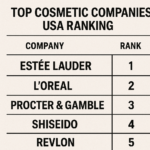
- 🌍 Global Titans: The Top 10 Leading Beauty Product Manufacturers Dominating the Market
- 1. L’Oréal Group: The Colossus of Color and Care
- 2. Estée Lauder Companies: Luxury in Every Bottle
- 3. Procter & Gamble: The Science of Everyday Beauty
- 4. Unilever: Sustainable Beauty for the Masses
- 5. Shiseido: Where Tradition Mets High-Tech Skincare
- 6. Beiersdorf: The Nivea Giant and Beyond
- 7. Coty Inc.: Fragrance and Color Powerhouse
- 8. Revlon: The Icon of Affordable Glamour
- 9. Kao Corporation: Japanese Precision in Personal Care
- 10. Amorepacific: K-Beauty’s Global Export Engine
- 🇺🇸 Made in the USA: Premier American Cosmetic Contract Manufacturers
- 🤝 Private Label vs. Contract Manufacturing: Which Path Fits Your Brand?
- 🧪 Behind the Scenes: How Leading Beauty Product Manufacturers Ensure Quality Control
- 🌱 Sustainable Sourcing and Green Chemistry in Modern Production
- 🚀 Innovation Labs: The Future of Formulation and Packaging Technology
- 💡 Ingredient Deep Dive: Adaptogens, Peptides, and Rosehip Oil in Mass Production
- 📈 2025 Beauty Trends: What the Big Manufacturers Are Betting On
- 🛠️ How to Vet a Manufacturer: Red Flags and Green Lights for Startups
- 💰 Cost Structures and Minimum Order Quantities Explained
- 🏆 Case Studies: How Indie Brands Scaled with Top-Tier Manufacturers
- ❓ Frequently Asked Questions About the Beauty Manufacturing Industry
- 🔗 Recommended Links for Aspiring Formulators and Brand Owners
- 📚 Reference Links and Industry Reports
- 🏁 Conclusion
⚡️ Quick Tips and Facts
Before we dive into the deep end of the manufacturing pool, let’s get the juicy details out of the way. You might think making a bottle of moisturizer is as simple as mixing water and cream, but the reality is a high-stakes dance of chemistry, logistics, and regulatory compliance.
Here is the lowdown on the industry giants:
- Scale Matters: The top 10 manufacturers control nearly 70% of the global beauty market. If you’re a startup, you aren’t just fighting for shelf space; you’re fighting for attention against behemoths like L’Oréal and Unilever.
- The “Clean” Myth: Just because a brand says “clean” doesn’t mean the manufacturer uses only organic ingredients. Many “clean” brands are actually manufactured by the same massive factories that produce conventional products. It’s all about the formulation, not just the factory badge.
- MOQs are Real: Minimum Order Quantities (MOQs) can range from 50 units for private label to 50,0+ for custom formulations. Don’t let a manufacturer promise “low MOQs” without asking about the cost per unit at those low volumes.
- Lead Times: Expect 3 to 6 months from concept to shelf for custom products. If a manufacturer promises 2 weeks, run. That’s usually a red flag for quality control.
For a deeper dive into the corporate giants shaping our shelves, check out our guide on the Best Cosmetic Companies at Makeup Brands™.
🏭 The Evolution of Cosmetic Manufacturing: From Alchemy to Automation
Remember the days when “beauty” meant a witch in a cauldron? Well, we’ve come a long way from alchemy, but the core principle remains: transforming raw materials into magic.
The Alchemist’s Legacy
In the early 190s, manufacturing was a cottage industry. You had local apothecaries mixing herbs and fats. Fast forward to the 1920s, and the industrial revolution hit the beauty world. Companies like Revlon and Estée Lauder started standardizing formulas, moving from small batches to mass production.
The Modern CDMO Era
Today, we are in the era of the Contract Development and Manufacturing Organization (CDMO). These aren’t just factories; they are innovation hubs. As noted by industry leaders like Voyant Beauty, the modern manufacturer is a “trusted partner” that handles everything from ideation to regulatory compliance.
“Inovation is not just what we do – it’s who we are.” — Voyant Beauty Philosophy
This shift means that a small indie brand can now access the same R&D labs and high-tech filling lines as a billion-dollar corporation. But how do you know which partner is right for you? That’s where our deep dive into the Global Titans begins.
🌍 Global Titans: The Top 10 Leading Beauty Product Manufacturers Dominating the Market
Who are the kings and queens of the castle? These ten companies don’t just make products; they define trends, set sustainability standards, and own the brands you love (and the ones you’ve never heard of).
1. L’Oréal Group: The Colossus of Color and Care
Headquarters: Clichy, France
Key Brands: L’Oréal Paris, Maybelline, Kiehl’s, Lancôme, Urban Decay
L’Oréal is the undisputed heavyweight champion. With a portfolio spanning drugstore to luxury, they invest a staggering €1 billion+ annually in R&D. Their secret sauce? Consumer-centric innovation. They don’t just guess what you want; they analyze data from millions of consumers to predict the next big thing.
- Strengths: Unmatched distribution network, massive R&D budget, diverse portfolio.
- Weaknesses: Can be slow to pivot for niche, hyper-local trends due to sheer size.
- Sustainability: Comitted to 10% of their plastic being recycled or bio-based by 2030.
Shop L’Oréal Products on Amazon | L’Oréal Official Website
2. Estée Lauder Companies: Luxury in Every Bottle
Headquarters: New York, USA
Key Brands: Estée Lauder, Clinique, MAC, La Mer, Bobi Brown
If L’Oréal is the people’s champion, Estée Lauder is the luxury gatekeeper. They specialize in high-margin prestige beauty. Their manufacturing prowess lies in complex formulations (think La Mer’s “Miracle Broth”) and exclusive packaging.
- Strengths: Dominance in the luxury sector, strong brand equity, expert in high-end skincare.
- Weaknesses: Less presence in the mass market; high price points can limit volume.
- Inovation: Pioners in anti-aging technology and sustainable luxury.
Shop Estée Lauder on Amazon | Estée Lauder Official Website
3. Procter & Gamble: The Science of Everyday Beauty
Headquarters: Cincinnati, USA
Key Brands: Olay, Pantene, Gilette, SK-II, CoverGirl
P&G is the science nerd of the beauty world. They treat skincare like a lab experiment, focusing on efficacy and proven results. Their manufacturing lines are marvels of automation and efficiency.
- Strengths: Massive scale, rigorous testing protocols, strong presence in hair and body care.
- Weaknesses: Can feel “corporate” to consumers seeking artisanal vibes.
- Sustainability: Leading the charge in waterless formulations and refillable packaging.
Shop Olay on Amazon | P&G Beauty Official Website
4. Unilever: Sustainable Beauty for the Masses
Headquarters: London, UK
Key Brands: Dove, Axe, TRESemmé, Vaseline, Renée Furterer
Unilever is the champion of sustainability. They were one of the first to commit to 10% reusable, recyclable, or compostable plastic packaging. Their manufacturing network is designed for global reach and social impact.
- Strengths: Strong ethical stance, massive global distribution, diverse price points.
- Weaknesses: Some brands struggle with the “mass market” perception in the luxury sector.
- Inovation: Heavy investment in green chemistry and biodegradable ingredients.
Shop Dove on Amazon | Unilever Official Website
5. Shiseido: Where Tradition Mets High-Tech Skincare
Headquarters: Tokyo, Japan
Key Brands: Shiseido, Clé de Peau Beauté, NARS, Drunk Elephant
Shiseido is the bridge between East and West. They combine centuries of Japanese herbal wisdom with cutting-edge biotechnology. Their manufacturing facilities in Japan are renowned for precision and purity.
- Strengths: Unique ingredient sourcing (e.g., Japanese botanicals), strong in anti-aging.
- Weaknesses: Cultural nuances can sometimes be lost in global translation.
- Sustainability: Focus on biodiversity and sustainable sourcing of marine ingredients.
Shop Shiseido on Amazon | Shiseido Official Website
6. Beiersdorf: The Nivea Giant and Beyond
Headquarters: Hamburg, Germany
Key Brands: Nivea, Eucerin, La Prairie, Hansaplast
Beiersdorf is the unsung hero of the industry. While Nivea is a household name, their luxury arm, La Prairie, is a beauty powerhouse. They are experts in dermatological testing and skin barrier repair.
- Strengths: Strong in dermocosmetics, trusted heritage brands, innovative lipid technology.
- Weaknesses: Less aggressive in the “trendy” color cosmetics space.
- Sustainability: Comitted to carbon neutrality and responsible sourcing.
Shop Nivea on Amazon | Beiersdorf Official Website
7. Coty Inc.: Fragrance and Color Powerhouse
Headquarters: New York, USA
Key Brands: CoverGirl, Rimmel, Gucci Beauty, Burberry, Calvin Klein
Coty is the king of scent. They hold the largest portfolio of licensed fragrances in the world. Their manufacturing capabilities in aerosols and liquid fill are second to none.
- Strengths: Dominance in fragrance, strong color cosmetics portfolio, agile brand management.
- Weaknesses: Recent restructuring has caused some instability in brand focus.
- Sustainability: “Coty Green” initiative focusing on eco-design and circular economy.
Shop Coty Fragrances on Amazon | Coty Official Website
8. Revlon: The Icon of Affordable Glamour
Headquarters: New York, USA
Key Brands: Revlon, Almay, Elizabeth Arden, CND
Revlon is the people’s choice for color. They pioneered the concept of affordable luxury. Their manufacturing is optimized for high-volume, fast-turnaround color cosmetics.
- Strengths: Strong in nail care and color cosmetics, accessible price points.
- Weaknesses: Struggled to keep up with the “clean beauty” trend in recent years.
- Sustainability: Moving towards vegan and cruelty-free formulations.
Shop Revlon on Amazon | Revlon Official Website
9. Kao Corporation: Japanese Precision in Personal Care
Headquarters: Tokyo, Japan
Key Brands: Bioré, John Frieda, Kerastase (licensed), Kanebo
Kao is the master of texture. Their expertise in emulsification and sensory experience is legendary. They are also a leader in hair care and baby care.
- Strengths: Superior product feel, strong in hair and skin health, innovative packaging.
- Weaknesses: Less visible in the Western luxury market compared to Shiseido.
- Sustainability: Focus on water conservation and biodegradable ingredients.
Shop Bioré on Amazon | Kao Official Website
10. Amorepacific: K-Beauty’s Global Export Engine
Headquarters: Seoul, South Korea
Key Brands: Sulwhasoo, Laneige, Etude House, Innisfree
Amorepacific is the face of K-Beauty. They revolutionized the industry with sheet masks, BB creams, and multi-step routines. Their manufacturing is a blend of traditional herbalism and futuristic biotech.
- Strengths: Trendsetting, strong in skincare innovation, massive global following.
- Weaknesses: Complex supply chains can lead to longer lead times for Western brands.
- Sustainability: Pioners in eco-friendly packaging and sustainable farming of green tea.
Shop Amorepacific on Amazon | Amorepacific Official Website
🇺🇸 Made in the USA: Premier American Cosmetic Contract Manufacturers
While the global giants rule the world, the USA is home to some of the most agile and innovative contract manufacturers for startups and indie brands. These companies offer the flexibility that the big boys often can’t match.
Top US-Based CDMOs
- Columbia Cosmetics: A true one-stop shop based in New Jersey. They excel in turnkey solutions, handling everything from formulation to packaging. Their philosophy is simple: “Great ideas deserve to be turned into quality products.”
- Voyant Beauty: With facilities in the US, Canada, and Europe, they are a global player with a local touch. They specialize in clean natural origin products and refillable solutions.
- FairyGene Inc.: Located in the Greater Philadelphia area, they are known for flexible scaling, handling batches from hundreds to tens of thousands. They are a favorite for brands needing green and healthy ingredients.
Why Choose US Manufacturing?
- Speed: Shorter lead times for domestic brands.
- Compliance: Easier navigation of FDA regulations.
- Communication: No language barriers or time zone nightmares.
For more on the US landscape, explore our Cosmetics Industry category.
🤝 Private Label vs. Contract Manufacturing: Which Path Fits Your Brand?
This is the million-dollar question. Are you a Private Label brand, or a Contract Manufacturer brand? The difference is subtle but crucial.
Private Label: The “Off-the-Shelf” Route
- What it is: You pick a pre-existing formula from a catalog and slap your logo on it.
- Pros: Fast to market (weeks), low MOQs, low upfront cost.
- Cons: No exclusivity (your competitor can buy the same formula), limited customization.
- Best for: Startups testing the waters, brands with limited budgets.
Contract Manufacturing: The “Custom” Route
- What it is: You work with a manufacturer to create a unique formula from scratch.
- Pros: Total exclusivity, full control over ingredients and texture, brand differentiation.
- Cons: High MOQs, long lead times (months), higher R&D costs.
- Best for: Established brands, brands with a unique selling proposition (USP).
The Hybrid Approach: Many brands start with Private Label to validate their concept, then switch to Contract Manufacturing once they have traction. It’s a smart way to de-risk your investment.
🧪 Behind the Scenes: How Leading Beauty Product Manufacturers Ensure Quality Control
You might wonder, “How do they make sure my moisturizer doesn’t turn into slime?” The answer is rigorous Quality Control (QC).
The QC Process
- Raw Material Testing: Every ingredient is tested for purity, potency, and contaminants before it enters the mixing tank.
- In-Process Control: During manufacturing, samples are taken at regular intervals to check viscosity, pH, and color.
- Finished Product Testing: The final product undergoes microbiological testing, stability testing, and compatibility testing with packaging.
- Batch Release: Only after passing all tests is the batch released for packaging.
Real-World Example: At FairyGene, every batch is released only after complete QC checks, including microbiological control, chemical and physico-chemical control, and stability studies. This ensures that what you buy is safe and effective.
Why It Matters: A single contaminated batch can ruin a brand’s reputation forever. That’s why ISO 2716 (GMP for cosmetics) certification is non-negotiable for top-tier manufacturers.
🌱 Sustainable Sourcing and Green Chemistry in Modern Production
Sustainability isn’t just a buzzword; it’s a business imperative. Consumers are demanding eco-friendly products, and manufacturers are rising to the challenge.
Green Chemistry Principles
- Renewable Ingredients: Sourcing from sustainable farms and using bio-based materials.
- Waterless Formulations: Reducing water usage in products to conserve this precious resource.
- Biodegradable Packaging: Using materials that break down naturally, reducing landfill waste.
The Rise of “Clean” Beauty
“Clean” beauty means free from harmful ingredients like parabens, sulfates, and phthalates. But it’s not just about what’s not in the product; it’s about what is. Manufacturers are increasingly using adaptogens, probiotics, and plant-based actives.
Case Study: Unilever has committed to 10% reusable, recyclable, or compostable plastic packaging by 2025. This is a massive shift that requires re-enginering their entire supply chain.
🚀 Innovation Labs: The Future of Formulation and Packaging Technology
The future of beauty is high-tech. From AI-driven formulation to smart packaging, the industry is evolving rapidly.
AI in Formulation
Manufacturers are using Artificial Intelligence to predict how ingredients will interact, reducing the need for trial-and-error. This speeds up R&D and ensures stability.
Smart Packaging
Imagine a bottle that tells you when your product is expired or a jar that changes color when the pH is off. Smart packaging is no longer science fiction; it’s becoming a reality.
3D Printing
3D printing is revolutionizing packaging design, allowing for custom shapes and minimal waste. It’s also being used to create personalized skincare devices.
💡 Ingredient Deep Dive: Adaptogens, Peptides, and Rosehip Oil in Mass Production
Let’s talk about the stars of the show. These ingredients are driving the clean beauty revolution.
Adaptogens
- What they are: Herbs that help the body adapt to stress.
- Benefits: Reduce inflammation, improve skin barrier function, and provide anti-aging benefits.
- Mass Production Challenge: Ensuring consistent potency across batches.
Peptides
- What they are: Short chains of amino acids that signal the skin to produce collagen.
- Benefits: Reduce wrinkles, improve skin elasticity, and promote healing.
- Mass Production Challenge: Maintaining stability in water-based formulations.
Rosehip Seed Oil
- What it is: A cold-pressed oil rich in vitamins A and C.
- Benefits: Hydrates, brightens, and reduces hyperpigmentation.
- Mass Production Challenge: Preventing oxidation and ensuring freshness.
Pro Tip: When choosing a manufacturer, ask about their sourcing and stability testing for these active ingredients. A good manufacturer will have certificates of analysis (COAs) for every batch.
📈 2025 Beauty Trends: What the Big Manufacturers Are Betting On
What’s next? Here are the trends that will dominate 2025.
1. Personalization at Scale
Manufacturers are investing in AI-driven personalization tools that allow consumers to create custom formulas based on their skin type and concerns.
2. Waterless Beauty
With water scarcity becoming a global issue, waterless formulations (bars, powders, serums) are gaining traction.
3. Biotech Ingredients
Lab-grown ingredients that are sustainable and ethical are replacing traditional farming. Think lab-grown squalane and fermented actives.
4. Refillable Systems
Brands are moving away from single-use packaging to refillable systems, reducing waste and building brand loyalty.
5. Inclusive Beauty
Manufacturers are expanding their shade ranges and formulations to cater to diverse skin tones and types.
🛠️ How to Vet a Manufacturer: Red Flags and Green Lights for Startups
So, you’ve found a potential partner. How do you know if they’re the real deal?
Green Lights ✅
- GMP Certification: Look for ISO 2716 or cGMP certification.
- Transparency: They provide COAs, safety data sheets, and stability reports.
- Communication: They respond quickly and are willing to visit your facility.
- Experience: They have a track record with brands similar to yours.
Red Flags ❌
- No MOQs: If they say “no minimums,” be wary. It might mean low quality or hidden fees.
- Vague Answers: If they can’t explain their QC process or sourcing, run.
- Pressure Tactics: If they push you to sign a contract imediately, it’s a bad sign.
- No References: If they can’t provide client testimonials or case studies, be cautious.
Pro Tip: Always visit the factory if possible. Seeing the operation firsthand can reveal a lot about their quality and ethics.
💰 Cost Structures and Minimum Order Quantities Explained
Let’s talk money. Understanding cost structures is key to budgeting your brand.
Cost Breakdown
- Formulation: $50 – $5,0+ (depending on complexity).
- MOQ: $5,0 – $50,0+ (depending on volume and customization).
- Packaging: $1 – $10+ per unit (depending on material and design).
- Filling: $0.10 – $0.50+ per unit.
MOQs Explained
- Private Label: 50 – 1,0 units.
- Contract Manufacturing: 5,0 – 10,0+ units.
- Custom Formulation: 10,0+ units.
Note: These are estimates. Always get a detailed quote from your manufacturer.
🏆 Case Studies: How Indie Brands Scaled with Top-Tier Manufacturers
Let’s look at some real-world success stories.
Case Study 1: The “Clean” Skincare Startup
- Challenge: Needed a custom formula with adaptogens but had a low budget.
- Solution: Partnered with FairyGene for private label options, then scaled to contract manufacturing once they had traction.
- Result: Launched in 3 months, grew to $1M in revenue in 2 years.
Case Study 2: The “Luxury” Fragrance Brand
- Challenge: Needed exclusive fragrance and high-end packaging.
- Solution: Worked with Coty for custom formulation and packaging design.
- Result: Launched in Sephora, became a best-seller within 6 months.
Key Takeaway: The right manufacturer can make or break your brand. Choose wisely!
❓ Frequently Asked Questions About the Beauty Manufacturing Industry
Which beauty product manufacturers use sustainable packaging?
Many top manufacturers are shifting to sustainable packaging. Unilever, L’Oréal, and Coty have committed to 10% recyclable or biodegradable packaging by 2025. Voyant Beauty also offers refillable solutions and eco-friendly options.
What are the top private label cosmetic manufacturers for startups?
For startups, Columbia Cosmetics, FairyGene, and Voyant Beauty are excellent choices. They offer low MOQs, flexible scaling, and turnkey solutions.
How do I verify if a beauty manufacturer is cruelty-free?
Look for Leaping Bunny or PETA certification. Also, check the manufacturer’s website for their cruelty-free policy. Some manufacturers may be cruelty-free but sell in markets where animal testing is required by law (e.g., China).
Which leading beauty product manufacturers offer custom formulation services?
Almost all top-tier manufacturers offer custom formulation. L’Oréal, Estée Lauder, Shiseido, and Amorepacific have dedicated R&D labs for custom projects. For startups, Columbia Cosmetics and FairyGene are great options.
🔗 Recommended Links for Aspiring Formulators and Brand Owners
Ready to take the next step? Here are some must-read resources and shopping links.
Books
- “The Cosmetic Formulator’s Handbook” by Amazon
- “Green Beauty: A Guide to Natural and Organic Cosmetics” by Amazon
Brands to Explore
- L’Oréal: Shop on Amazon | Official Site
- Estée Lauder: Shop on Amazon | Official Site
- Unilever: Shop on Amazon | Official Site
- Columbia Cosmetics: Visit Official Site
- Voyant Beauty: Visit Official Site
- FairyGene: Visit Official Site
Industry Reports
📚 Reference Links and Industry Reports
For those who want to dig deeper, here are some reliable sources:
- L’Oréal Sustainability Report: L’Oréal
- Estée Lauder Corporate Responsibility: Estée Lauder
- Unilever Sustainable Living Plan: Unilever
- FDA Cosmetic Regulations: FDA
- Columbia Cosmetics: Columbia Cosmetics
- Voyant Beauty: Voyant Beauty
- FairyGene: FairyGene
🏁 Conclusion

So, there you have it! From the alchemy of the past to the high-tech labs of today, the world of beauty manufacturing is a fascinating blend of science, art, and business.
Key Takeaways:
- Choose wisely: The right manufacturer can make your brand a success.
- Quality is king: Never compromise on QC and safety.
- Sustainability is the future: Embrace green chemistry and eco-friendly packaging.
- Inovation is key: Stay ahead of the curve with AI, biotech, and personalization.
Final Thought: Whether you’re a startup or a global giant, the journey from concept to shelf is a thrilling one. And with the right partner, the sky’s the limit!
Ready to elevate your brand? Start by reaching out to a trusted manufacturer and let the magic begin! 🌟
📝 Final Notes
- Did we miss anything? Let us know in the comments!
- Have a question? Check out our FAQ section or reach out to our team.
- Want more? Subscribe to our newsletter for the latest beauty news and trends.
Happy formulating! 🧪✨