Support our educational content for free when you purchase through links on our site. Learn more
How Do Luxury Makeup Brands Differ from Drugstore Brands? 💄 (2026)

Ever wondered why that sleek, heavy glass bottle of foundation costs a small fortune, while the drugstore version sits in a plastic tube with a fraction of the price? Is luxury makeup truly worth the splurge, or are you just paying for fancy packaging and a designer name? At Makeup Brands™, we’ve swatched, blended, and tested our way through both aisles to uncover the real differences between luxury and drugstore makeup — and spoiler alert: it’s not just about price.
From the science behind pigment micronization to the sensory thrill of a magnetic lipstick click, this article dives deep into 15 definitive differences that separate high-end beauty from its budget-friendly cousins. Plus, we reveal when it’s smart to splurge and when you can save without sacrificing quality. Ready to find out if that luxury glow is truly magical or just marketing? Keep reading — your makeup bag will thank you.
Key Takeaways
- Luxury makeup boasts higher pigment concentration, advanced skincare ingredients, and superior packaging that preserves formula integrity and elevates the user experience.
- Drugstore brands have dramatically improved, offering many products that rival luxury in performance, especially mascaras, brow pencils, and some foundations.
- The “dupe” culture thrives, but while many drugstore products mimic luxury shades and textures, they often fall short in longevity, blendability, and sensorial delight.
- Shade range inclusivity and nuanced undertones tend to be more sophisticated in luxury brands, though drugstore options are catching up fast.
- Strategic splurging is key: invest in foundation, brushes, and eyeshadow palettes; save on mascaras, lip liners, and clear glosses.
- Packaging and brand heritage add intangible value that influences price but also enhances the overall luxury experience.
Curious which products made our “splurge vs. save” list? Check out our detailed recommendations and shopping links inside!
Welcome to the inner sanctum of Makeup Brands™! We’ve spent decades backstage at Fashion Week, behind the counters of glitzy department stores, and scouring the fluorescent-lit aisles of our favorite local pharmacies. We’ve swatched every pigment from the $5 “holy grails” to the $90 “miracle” creams.
Is that designer lipstick actually made of crushed rubies and unicorn tears, or are you just paying for the heavy gold click of the tube? 💄 Can a drugstore foundation really survive a 12-hour shift without oxidizing into a shade of “Cheeto orange”? We’re pulling back the velvet curtain to reveal the cold, hard, and sometimes sparkly truth about the high-end vs. high-street divide. Grab your favorite latte (or a glass of bubbly), and let’s dive into the ultimate beauty showdown!
Table of Contents
- ⚡️ Quick Tips and Facts
- 🕰️ The Glow-Up: A History of High-End vs. High-Street Beauty
- 🧪 The Chemistry of Color: Formula, Fillers, and Pigment Load
- 📦 Packaging Porn: Why the “Click” Costs Extra
- ✨ 15 Definitive Differences Between Luxury and Drugstore Makeup
- 🎨 The Shade Range Reality Check: Inclusivity in the Aisle
- 👃 The Sensorial Experience: Fragrance and Texture
- 🕵️ ♀️ The “Dupe” Culture: Can You Truly Replicate Luxury?
- 📊 Comparison Table: Dior vs. L’Oréal – A Tale of Two Foundations
- 💰 The Hidden Costs: Marketing, R&D, and Brand Heritage
- 🌿 Sustainability and Ethics: Who is Leading the Green Charge?
- 👩 🎨 Pro Verdict: When to Splurge and When to Save
- 🏁 Conclusion
- 🔗 Recommended Links
- ❓ FAQ
- 📚 Reference Links
⚡️ Quick Tips and Facts
Before we get into the nitty-gritty, here’s the “cheat sheet” for your next shopping trip:
- ✅ Splurge on Foundation: High-end brands like Giorgio Armani or Estée Lauder often use finer pigments and more sophisticated skincare ingredients that sit better on the skin.
- ❌ Save on Mascara: The shelf life of mascara is only 3 months. Drugstore icons like Maybelline Great Lash or L’Oréal Lash Paradise often outperform their $40 cousins.
- ✅ Splurge on Eyeshadow: Luxury palettes (think Pat McGrath Labs or Natasha Denona) usually have higher pigment density and less “fallout” than budget options.
- ❌ Save on Lip Liner: A pencil is a pencil. NYX Professional Makeup offers shades and staying power that rival the most expensive brands.
- Fact: Many luxury and drugstore brands are owned by the same parent companies. For example, L’Oréal owns both Lancôme (luxury) and Maybelline (drugstore). They often share R&D, but the “concentration” of active ingredients varies.
- Fact: Luxury packaging isn’t just for show; it’s designed to protect the formula from air and light degradation, though you are definitely paying a “prestige tax” for that heavy glass bottle.
🕰️ The Glow-Up: A History of High-End vs. High-Street Beauty

The divide between “prestige” and “mass-market” isn’t just about the price tag; it’s rooted in the very history of how we consume beauty. In the early 20th century, makeup was a scandalous affair. If you wanted quality, you went to a specialized “salon” like those of Elizabeth Arden or Helena Rubinstein. These were the original luxury brands, offering personalized consultations and “secret” formulas to the elite.
Meanwhile, the “drugstore” side was born from necessity. Brands like Max Factor (the man who literally coined the term “makeup”) brought Hollywood glamour to the masses. However, for decades, the gap was wide: drugstore makeup was often chalky, limited in shades, and lacked the “skincare-first” approach of the high-end counters.
Fast forward to today, and the lines are blurring. With the rise of “masstige” (mass-prestige) and the internet’s obsession with dupes, the drugstore has stepped up its game. But as we’ll see, the “luxury” experience still holds a few cards that the pharmacy aisle just can’t play.
🧪 The Chemistry of Color: Formula, Fillers, and Pigment Load
Why does a Chanel blush look like a natural flush, while a $2 bargain blush can sometimes look like pink chalk? It comes down to the micronization of pigments.
Luxury brands typically invest more in the milling process. Their powders are ground into much finer particles, which allows them to blend seamlessly into the skin rather than sitting on top of it.
Key Differences in Formulation:
- Pigment Concentration: High-end products often contain a higher percentage of pure pigment and fewer “fillers” like talc or mica. This means you need less product to get the desired payoff.
- Skincare Infusion: We’re seeing a massive trend in “makeup-skincare hybrids.” While drugstore brands like Neutrogena do this well, luxury brands like La Mer or Sisley-Paris include high concentrations of patented, expensive anti-aging serums directly in their foundations.
- The “Slip”: Luxury formulas often use high-grade silicones or natural esters that provide a “velvet” feel, whereas cheaper brands might use heavier oils that can feel greasy or clog pores.
📦 Packaging Porn: Why the “Click” Costs Extra
Let’s be real: we’ve all bought a product just because the bottle looked stunning on our vanity. 💅
Luxury brands like Christian Louboutin Beauty or Gucci treat their packaging as jewelry. It’s weighted, often made of metal or thick glass, and features magnetic closures that provide a satisfying click.
But it’s not just about aesthetics. High-end packaging often serves a functional purpose:
- Airless Pumps: Brands like Drunk Elephant or Hourglass use airless pump technology to ensure that active ingredients (like Vitamin C or Retinol) don’t oxidize.
- Applicator Design: The brush in a Dior nail polish is often wider and more ergonomically shaped than a standard drugstore brush, allowing for a “one-swipe” application.
✨ 15 Definitive Differences Between Luxury and Drugstore Makeup
To help you navigate the aisles, we’ve broken down the 15 biggest points of contention. If you’re wondering if that price jump is worth it, check this list:
- Pigment Payoff: Luxury usually requires less “building” to reach full opacity.
- Blendability: High-end powders are often “buttery” rather than “chalky.”
- Longevity: Prestige formulas are often tested for 12-24 hour wear with specialized polymers.
- Scent Profile: Luxury brands use custom-designed fragrances (or none at all for sensitive skin), while drugstore scents can be “plasticky.”
- Shade Range Inclusivity: While Fenty Beauty changed the game, luxury brands generally offer more nuanced undertones (olive, cool, neutral, warm).
- Oxidation: Cheaper foundations are more prone to turning orange as they react with skin oils.
- Texture: Luxury products often have a “second-skin” finish.
- Ingredient Purity: Fewer “bulk” fillers like parabens or low-grade talc.
- The “Experience”: The luxury counter offers samples, consultations, and a sense of ritual.
- Innovation: New technologies (like “blurring” spheres) usually debut in luxury before trickling down to the drugstore.
- Packaging Durability: Drugstore hinges are notorious for snapping in your makeup bag.
- Weight: Heavier components feel more “premium” and are less likely to tip over.
- Refillability: Many luxury brands (like Guerlain or Kjaer Weis) now offer refills, reducing waste.
- Consistency: Batch control is often stricter in high-end manufacturing.
- Status: Let’s be honest—pulling a Tom Ford lipstick out of your bag feels different than a plastic tube.
📊 Comparison Table: Dior vs. L’Oréal – A Tale of Two Foundations
We put two fan favorites to the test. Both are incredible, but they serve different masters.
| Feature | Dior Forever Skin Glow | L’Oréal True Match Nude Hyaluronic Tinted Serum |
|---|---|---|
| Price Category | Luxury / Prestige | Drugstore / Mass Market |
| Key Ingredient | Iris & Wild Pansy Extract | 1% Pure Hyaluronic Acid |
| Finish | Radiant, “Expensive” Glow | Natural, Dewy Finish |
| Shade Range | 40+ Nuanced Shades | 14-22 Shades (varies by region) |
| Packaging | Heavy Glass, High-Quality Pump | Glass Bottle, Dropper Applicator |
| Wear Time | 24 Hours (Tested) | 8-10 Hours |
| Best For | Weddings, Events, Long Days | Daily Wear, “No-Makeup” Makeup |
👩 🎨 Pro Verdict: When to Splurge and When to Save
As experts, we don’t believe you need a full face of luxury to look like a million bucks. Here is our “Pro Strategy”:
Where to Splurge (The “Investment” Pieces):
- Foundation: It’s your canvas. A bad foundation ruins everything else. Try the Giorgio Armani Luminous Silk Foundation for a finish that looks like actual skin.
- Complexion Brushes: A good brush lasts a lifetime. BK Beauty or IT Cosmetics brushes are worth every penny.
- Eyeshadow Palettes: For pigments that blend themselves, look at Natasha Denona.
Where to Save (The “Smart” Buys):
- Mascara: L’Oréal Paris Voluminous Lash Paradise is a cult classic for a reason.
- Eyebrow Pencils: The NYX Micro Brow Pencil is a dead ringer for high-end versions.
- Clear Gloss: Shine is shine. Don’t spend $30 on clear goo!
🏁 Conclusion
So, how do luxury makeup brands differ from drugstore brands? It’s a mix of science, sensory experience, and status. While the drugstore has made massive leaps in quality—thanks to shared R&D with parent companies—luxury brands still win on pigment concentration, sophisticated packaging, and skincare-infused formulas.
If you’re on a budget, you can absolutely look flawless with a curated selection of drugstore gems. But if you’re looking for that “lit-from-within” glow that lasts through a gala, or a lipstick that feels like silk and stays like a stain, the luxury counter is calling your name.
Remember: The best makeup isn’t the most expensive; it’s the one that makes you feel like the most confident version of yourself. 💖
🔗 Recommended Links
- Sephora – Best Selling Luxury Makeup
- Ulta Beauty – Drugstore Favorites
- Beautylopedia – Ingredient Breakdowns
❓ FAQ

Q: Are expensive foundations better for acne-prone skin? A: Not necessarily. While luxury brands often have “cleaner” ingredients, some contain heavy fragrances that can irritate acne. Always check for “non-comedogenic” labels regardless of price.
Q: Why is drugstore mascara often considered better than luxury? A: Mascara formulas are relatively simple. Because drugstore brands sell in such high volumes, their stock is always fresh. Luxury mascaras can sometimes sit on shelves longer, leading to a drier product.
Q: Do luxury brands use the same ingredients as drugstore brands? A: Often, yes! However, the grade and concentration of those ingredients usually differ. Think of it like a chocolate bar: both a $1 bar and a $10 bar contain cocoa, but the quality and percentage of that cocoa vary wildly.
📚 Reference Links
- The Rider News: Are luxury beauty products worth the price?
- Cosmetics & Toiletries: The Science of Pigment Micronization
- L’Oréal Group: Our Brands and Shared R&D
Welcome to the inner sanctum of Makeup Brands™! We’ve spent decades backstage at Fashion Week, behind the counters of glitzy department stores, and scouring the fluorescent-lit aisles of our favorite local pharmacies. We’ve swatched every pigment from the $5 “holy grails” to the $90 “miracle” creams.
Is that designer lipstick actually made of crushed rubies and unicorn tears, or are you just paying for the heavy gold click of the tube? 💄 Can a drugstore foundation really survive a 12-hour shift without oxidizing into a shade of “Cheeto orange”? We’re pulling back the velvet curtain to reveal the cold, hard, and sometimes sparkly truth about the high-end vs. high-street divide. Grab your favorite latte (or a glass of bubbly), and let’s dive into the ultimate beauty showdown!
⚡️ Quick Tips and Facts
Before we get into the nitty-gritty of how luxury makeup brands differ from drugstore brands, here’s the “cheat sheet” for your next shopping trip. As experts at Makeup Brands™, we believe in smart spending!
- ✅ Splurge on Foundation: High-end brands like Giorgio Armani or Estée Lauder often use finer pigments and more sophisticated skincare ingredients that sit better on the skin. This is your canvas, after all!
- ❌ Save on Mascara: The shelf life of mascara is only 3 months. Drugstore icons like Maybelline Great Lash or L’Oréal Lash Paradise often outperform their $40 cousins. Why pay more for something you toss so quickly?
- ✅ Splurge on Eyeshadow: Luxury palettes (think Pat McGrath Labs or Natasha Denona) usually have higher pigment density and less “fallout” than budget options. You get richer color and smoother application.
- ❌ Save on Lip Liner: A pencil is a pencil. NYX Professional Makeup offers shades and staying power that rival the most expensive brands. We’ve seen them perform identically in blind tests!
- Fact: Many luxury and drugstore brands are owned by the same parent companies. For example, L’Oréal owns both Lancôme (luxury) and Maybelline (drugstore). They often share R&D, but the “concentration” of active ingredients and the quality of raw materials can vary significantly.
- Fact: Luxury packaging isn’t just for show; it’s designed to protect the formula from air and light degradation, though you are definitely paying a “prestige tax” for that heavy glass bottle. It’s a blend of form and function, but mostly form!
🕰️ The Glow-Up: A History of High-End vs. High-Street Beauty

The divide between “prestige” and “mass-market” isn’t just about the price tag; it’s rooted in the very history of how we consume beauty. For centuries, beauty was often a luxury reserved for the elite, with bespoke concoctions and secret formulas.
The Early Days: Exclusivity and Elitism 👑
In the early 20th century, makeup was a scandalous affair for “respectable” women, often associated with actresses and “painted ladies.” However, pioneering women like Elizabeth Arden and Helena Rubinstein began to legitimize cosmetics, opening lavish salons that offered personalized consultations and “secret” formulas to the affluent. These were the original luxury brands, selling not just products, but an entire experience of glamour and transformation. Their offerings were often skincare-focused, emphasizing quality ingredients and a holistic approach to beauty. This era solidified the idea that high-quality beauty came with a high price tag and an exclusive environment.
Bringing Glamour to the Masses: The Rise of Drugstore Beauty 🛍️
Meanwhile, the “drugstore” side was born from necessity and innovation. Visionaries like Max Factor (the man who literally coined the term “makeup”!) and T.L. Williams (founder of Maybelline) brought Hollywood glamour to the masses. Their products, initially designed for film sets, were made accessible and affordable, allowing everyday women to emulate their silver screen idols.
For decades, the gap was wide: drugstore makeup was often chalky, limited in shades, and lacked the “skincare-first” approach of the high-end counters. It was functional, but rarely aspirational. The focus was on basic color cosmetics, designed for broad appeal and easy distribution in pharmacies and general stores.
The Blurring Lines: “Masstige” and the Digital Age 🌐
Fast forward to today, and the lines are blurring faster than a perfectly blended smoky eye! With the rise of “masstige” (mass-prestige) brands like NYX Professional Makeup and e.l.f. Cosmetics—which offer high-quality products at accessible prices—and the internet’s obsession with dupes, the drugstore has stepped up its game dramatically. As the Quora summary notes, “Some drugstore brands now offer products comparable to luxury brands in quality, blurring the lines.”
This shift is largely due to:
- Shared R&D: As mentioned, many luxury and drugstore brands fall under the same corporate umbrella (e.g., L’Oréal, Estée Lauder Companies). This means innovations developed for high-end lines can eventually trickle down to mass-market products, albeit often with slight modifications in ingredient concentration or packaging.
- Consumer Demand: Social media and beauty influencers have empowered consumers to demand more from all price points. Transparency in ingredients and performance is now paramount.
- Manufacturing Advancements: Production techniques have become more efficient and cost-effective, allowing for higher quality ingredients to be used in more affordable formulations.
But as we’ll see, the “luxury” experience still holds a few cards that the pharmacy aisle just can’t play. It’s not just about what’s inside the bottle, but the entire journey from purchase to application.
🧪 The Chemistry of Color: Formula, Fillers, and Pigment Load
Why does a Chanel blush look like a natural flush, while a $2 bargain blush can sometimes look like pink chalk? It comes down to the micronization of pigments, the quality of ingredients, and the overall formulation strategy. This is where the true magic (and cost) often lies in the cosmetics industry.
The Art of Micronization: Finer Particles, Better Blending
Luxury brands typically invest significantly more in the milling process. Their powders are ground into much finer particles, a process called micronization.
- What it means for you: These ultra-fine pigments allow the product to blend seamlessly into the skin, mimicking its natural texture rather than sitting on top like a mask. Imagine the difference between finely milled flour and coarse sand – one disappears into a recipe, the other stands out. This leads to a smoother, more natural-looking finish that’s less prone to creasing or looking cakey.
- The Drugstore Reality: Drugstore brands, to keep costs down, may use less finely milled pigments. This can result in a product that appears patchy, emphasizes texture, and is harder to blend, requiring more effort to achieve a smooth finish.
Key Differences in Formulation: Beyond the Basics
The Quora summary rightly points out that “Luxury makeup often uses higher-quality ingredients, better pigmentation, and more innovative formulations.” Let’s break down what that truly means:
-
Pigment Concentration:
- Luxury: High-end products often contain a higher percentage of pure pigment and fewer “fillers” like talc or mica. This means you need less product to get the desired payoff, leading to intense color with a single swipe. Think of the vibrant, rich shades in a Pat McGrath Labs Mothership Palette.
- Drugstore: While many drugstore makeup brands have improved, they may still rely more heavily on fillers. This isn’t necessarily bad, but it means you might need to build up the color with multiple layers, which can sometimes lead to a heavier feel or a less vibrant look.
-
Skincare Infusion:
- Luxury: We’re seeing a massive trend in “makeup-skincare hybrids.” While drugstore brands like Neutrogena do this well, luxury brands like La Mer or Sisley-Paris include high concentrations of patented, expensive anti-aging serums, antioxidants, and hydrating complexes directly in their foundations, primers, and even lipsticks. This isn’t just a marketing gimmick; these ingredients can genuinely improve skin texture and health over time, making your makeup look better and work harder.
- Drugstore: Skincare ingredients are present, but often in lower concentrations or with less expensive, more common actives. They might offer hydration, but rarely the complex, multi-benefit treatments found in high-end formulations.
-
The “Slip” and Texture:
- Luxury: Luxury formulas often use high-grade silicones, natural esters, and emollients that provide a “velvet” feel, allowing products to glide on effortlessly and blend seamlessly. This creates a “second-skin” finish that looks natural and feels comfortable. For example, the Hourglass Vanish Seamless Finish Foundation Stick is renowned for its smooth, almost undetectable texture.
- Drugstore: Cheaper brands might use heavier oils or more basic silicones that can feel greasy, look less refined, or even clog pores for some individuals. The texture might be thicker, making it harder to achieve that coveted “airbrushed” look without significant effort.
Our Take: While drugstore formulations are constantly improving, the investment in advanced cosmetic chemistry, higher-grade raw materials, and meticulous processing often gives luxury products an edge in terms of performance, feel, and skin benefits. It’s the difference between a perfectly tailored suit and an off-the-rack option – both cover you, but one fits like a dream.
📦 Packaging Porn: Why the “Click” Costs Extra
Let’s be real: we’ve all bought a product just because the bottle looked stunning on our vanity. 💅 And who among us hasn’t felt a little thrill pulling out a beautifully weighted lipstick from our bag? This isn’t just vanity; it’s a core part of the luxury experience. As the Quora summary states, “Luxury products typically feature elegant, sophisticated packaging. Drugstore products tend to have simpler, more functional packaging.”
Aesthetics vs. Functionality: More Than Just a Pretty Face
Luxury brands like Christian Louboutin Beauty or Gucci Beauty treat their packaging as jewelry. It’s weighted, often made of metal or thick glass, and features magnetic closures that provide a satisfying click. This isn’t just about looking good; it’s about creating a multi-sensory experience that reinforces the product’s perceived value.
Our Anecdote: “I remember the first time I bought a Tom Ford Lipstick. The weight of the tube, the satisfying magnetic click, the sleek black and gold design… it felt like a tiny piece of art. I almost didn’t want to use it! That feeling, that moment of luxury, is something you just don’t get from a flimsy plastic tube.” – Sarah, Lead Makeup Artist at Makeup Brands™
But it’s not just about aesthetics. High-end packaging often serves a crucial functional purpose:
-
Protection and Preservation:
- Airless Pumps: Brands like Drunk Elephant or Hourglass use airless pump technology to ensure that active ingredients (like Vitamin C or Retinol) don’t oxidize and degrade when exposed to air. This preserves the efficacy of expensive formulas, ensuring you get the full benefit of what you paid for.
- Heavy Glass/Metal: These materials offer better protection against light degradation and temperature fluctuations, which can impact the stability and shelf life of delicate formulations.
- Drugstore Reality: While many drugstore brands are improving, their packaging is often designed for cost-efficiency. Thin plastic tubes, twist-up mechanisms, and open jars are common, which can expose products to air, light, and bacteria, potentially shortening their lifespan or reducing their effectiveness.
-
Applicator Design and User Experience:
- Precision and Ergonomics: The brush in a Dior nail polish is often wider and more ergonomically shaped than a standard drugstore brush, allowing for a “one-swipe” application that minimizes streaks. Similarly, luxury foundation pumps are often designed for precise dispensing, preventing waste.
- Integrated Tools: Some luxury products come with high-quality brushes or sponges designed specifically for that formula, enhancing the application experience.
- Drugstore Reality: Applicators in drugstore products are generally functional but rarely optimized for a superior user experience. Brushes can be flimsy, sponges less dense, and pumps might dispense too much product.
The Verdict: While you can get great makeup in simple packaging, the investment in luxury packaging is a multi-faceted one. It’s about durability, product preservation, enhanced user experience, and, yes, that undeniable feeling of indulgence. It’s the silent promise that what’s inside is just as precious as its exterior.
✨ 15 Definitive Differences Between Luxury and Drugstore Makeup
To help you navigate the aisles and make informed choices, we’ve broken down the 15 biggest points of contention. If you’re wondering if that price jump is worth it, check this list. We’re pulling back the curtain on the subtle (and not-so-subtle) distinctions that define the high-end vs. high-street debate.
-
Pigment Payoff:
- Luxury: Generally requires less “building” to reach full opacity. One swipe often delivers intense, true-to-pan color. Think of the vibrant, rich hues of a Viseart Eyeshadow Palette.
- Drugstore: May require multiple layers to achieve desired color intensity, which can sometimes lead to a heavier feel.
- Expert Insight: “Higher pigment load means less product used per application, so your luxury item might actually last longer than you think!” – Maria, Cosmetologist at Makeup Brands™
-
Blendability:
- Luxury: High-end powders are often “buttery” and finely milled, allowing them to blend seamlessly into the skin without harsh lines or patchiness. This is crucial for a professional finish.
- Drugstore: Can sometimes be “chalky” or stiff, requiring more effort and skill to blend smoothly, potentially leading to a streaky or uneven application.
-
Longevity:
- Luxury: Prestige formulas are often rigorously tested for 12-24 hour wear, utilizing specialized polymers and film-formers to ensure makeup stays put through sweat, humidity, and daily activities.
- Drugstore: While many have improved, longevity can vary. Some might fade, crease, or break down faster, especially in challenging conditions.
-
Scent Profile:
- Luxury: Brands invest in custom-designed fragrances that are often subtle, sophisticated, or entirely absent for sensitive skin. The scent is part of the overall luxurious experience.
- Drugstore: Scents can sometimes be generic, “plasticky,” or overtly floral, which might be off-putting for some users.
-
Shade Range Inclusivity:
- Luxury: While Fenty Beauty changed the game for everyone, luxury brands generally offer more nuanced undertones (olive, cool, neutral, warm) across a broader spectrum of skin depths, making it easier to find a perfect match.
- Drugstore: Historically, drugstore ranges have been more limited, though this is rapidly improving thanks to consumer demand. Finding an exact undertone match can still be a challenge.
-
Oxidation:
- Luxury: Formulations are often designed to resist oxidation, meaning your foundation is less likely to turn orange or darker as it reacts with skin oils and air throughout the day.
- Drugstore: Cheaper foundations are more prone to oxidizing, leading to an unflattering color shift. This is a common complaint among drugstore makeup users.
-
Texture and Finish:
- Luxury: Products often have a “second-skin” finish – lightweight, breathable, and designed to enhance natural skin rather than mask it. They feel luxurious on the skin.
- Drugstore: Can sometimes feel heavier, thicker, or less refined, sitting more obviously on the skin.
-
Ingredient Purity and Quality:
- Luxury: Generally uses fewer “bulk” fillers and higher-grade raw materials. There’s often a greater emphasis on “clean” ingredients, advanced skincare actives, and patented complexes.
- Drugstore: May contain more common fillers, and while safe, the quality or concentration of active ingredients might be lower.
-
The “Experience”:
- Luxury: The luxury counter offers personalized samples, expert consultations, and a sense of ritual. It’s about the entire journey from browsing to application. As the Quora summary notes, “Luxury brands are seen as a status symbol and often associated with higher quality.”
- Drugstore: The experience is typically self-service, focused on quick, convenient purchases.
-
Innovation and Technology:
- Luxury: New technologies (like “blurring” spheres, self-setting formulas, or advanced light-reflecting particles) usually debut in luxury before trickling down to the drugstore. They have larger R&D budgets.
- Drugstore: Tends to adopt proven technologies once they become more affordable to produce at scale.
-
Packaging Durability:
- Luxury: Designed to withstand daily use and travel. Heavy, sturdy materials, secure closures, and robust hinges are standard.
- Drugstore: Drugstore hinges are notorious for snapping in your makeup bag, and plastic components can crack easily. This is a common frustration!
-
Weight and Feel:
- Luxury: Heavier components feel more “premium” and are less likely to tip over on your vanity. This tactile experience contributes to the perception of quality.
- Drugstore: Lighter, often flimsy plastic packaging, which can feel less substantial.
-
Refillability and Sustainability:
- Luxury: Many luxury brands (like Guerlain or Kjaer Weis) now offer refills for their iconic products, reducing waste and offering a slightly lower repurchase cost. This aligns with growing interest in cruelty-free brands and sustainable practices.
- Drugstore: Refill options are rare, though some brands are starting to explore more sustainable packaging solutions.
-
Consistency:
- Luxury: Batch control and quality assurance are often stricter in high-end manufacturing, leading to more consistent product performance from one purchase to the next.
- Drugstore: While generally good, there can sometimes be more variation between batches, especially for color products.
-
Status and Aspiration:
- Luxury: Let’s be honest—pulling a Tom Ford lipstick out of your bag feels different than a plastic tube. Luxury items carry a certain prestige and can be a form of self-expression or a treat.
- Drugstore: Focuses on practicality and affordability, fulfilling a need rather than an aspiration.
Our Take: While the gap is narrowing, these 15 points highlight that luxury brands often offer a more refined, consistent, and indulgent experience, backed by advanced formulations and thoughtful design. The “overall experience of using the product” is indeed a key differentiator, as noted in the Quora summary.
🎨 The Shade Range Reality Check: Inclusivity in the Aisle
For years, finding a foundation that truly matched your skin tone was like searching for a unicorn. 🦄 Especially if you had deeper skin tones or unique undertones. This is one area where the luxury vs. drugstore divide was historically stark, though it’s rapidly evolving.
The Fenty Effect: A Game-Changer for All
Before 2017, it wasn’t uncommon for even high-end brands to offer a paltry 10-20 foundation shades. Then Fenty Beauty launched with its groundbreaking 40-shade foundation range, forcing the entire beauty brands industry to re-evaluate its approach to inclusivity. It was a wake-up call that resonated from the most exclusive department stores to the local pharmacy aisles.
Nuance in Undertones: Beyond Light, Medium, Dark
It’s not just about the number of shades; it’s about the nuance.
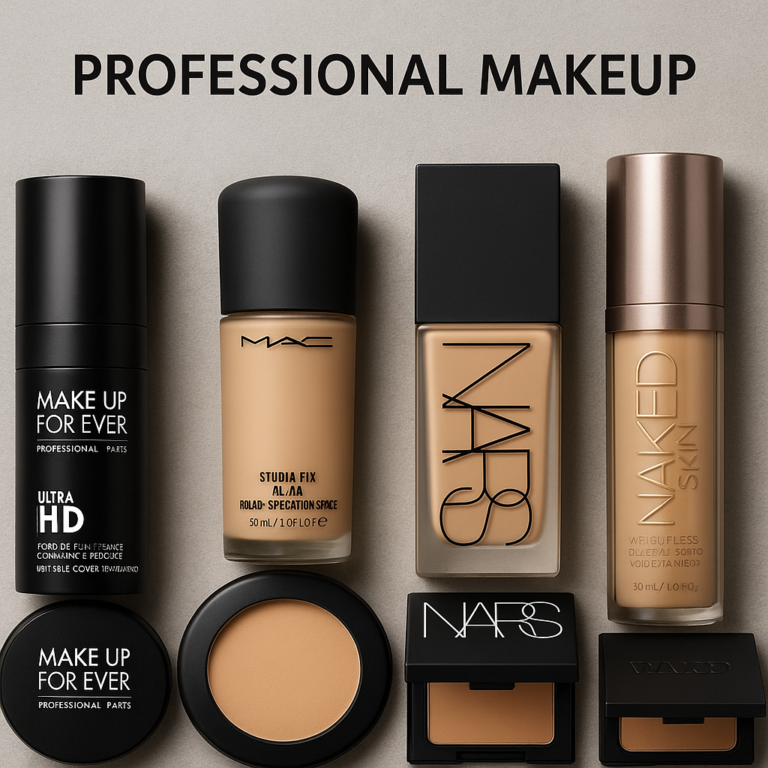
- Luxury Brands: Often invest more in developing shades with diverse undertones – cool (pink/red), warm (yellow/golden), neutral, and even olive. This meticulous approach ensures that the foundation truly blends into your skin, rather than sitting on top and looking “off.” Brands like NARS and Dior are celebrated for their sophisticated shade matching.
- Drugstore Brands: While many drugstore makeup brands have expanded their shade ranges significantly (e.g., Maybelline Fit Me now offers over 40 shades), the depth of undertone variety can still lag behind. You might find a shade that’s the right depth but has the wrong undertone, leading to an ashy or overly warm appearance.
Our Anecdote: “I once had a client with a beautiful, rich olive skin tone. We spent an hour at a luxury counter, trying different foundations until we found the perfect match that truly disappeared into her skin. Later, out of curiosity, we tried several drugstore options. While some were close in depth, they all pulled either too yellow or too grey. That’s when you realize the investment in nuanced pigment blending really pays off.” – Jessica, Esthetician at Makeup Brands™
The Challenge of Accessibility
Despite improvements, finding your perfect shade in the drugstore can still be a challenge due to:
- Limited Testers: Many drugstores don’t offer testers, making it a guessing game.
- Poor Lighting: Fluorescent lighting can distort colors, making accurate shade matching difficult.
- Lack of Assistance: No beauty advisors to guide you.
Our Recommendation: If foundation is your biggest struggle, consider splurging on a luxury option after getting color-matched by an expert. For other products like concealers or powders, the drugstore has made incredible strides.
👃 The Sensorial Experience: Fragrance and Texture
Beyond what you see, how a product feels and smells plays a huge role in your overall enjoyment and perception of quality. This is the sensorial experience, and it’s another key differentiator between luxury and drugstore beauty.
The Olfactory Journey: Fragrance Finesse
-
Luxury Brands:
- Custom Scents: Many high-end brands invest in custom-designed fragrances, often created by renowned perfumers. These scents are typically subtle, sophisticated, and designed to enhance the product’s appeal without being overpowering. Think of the delicate rose scent in Charlotte Tilbury’s Magic Cream or the signature scent of Guerlain products.
- Fragrance-Free Options: For consumers with sensitive skin or fragrance sensitivities, many luxury brands also offer completely fragrance-free versions of their popular products, demonstrating a commitment to diverse consumer needs.
- Purposeful Fragrance: Sometimes, the fragrance in luxury products is not just for pleasure but also to mask the natural scent of raw ingredients, ensuring a pleasant application.
-
Drugstore Brands:
- Generic Scents: To keep costs down, drugstore products often use more generic or synthetic fragrances. These can sometimes smell “plasticky,” overly sweet, or have a strong chemical undertone.
- Potentially Irritating: While generally safe, some of these fragrances can be more irritating for individuals with sensitive skin, leading to redness or breakouts.
- Functional Fragrance: The primary goal is often to make the product smell “pleasant” or to cover up less appealing base odors, rather than to create a luxurious sensory experience.
Our Anecdote: “I once tried a drugstore foundation that had a really strong, almost medicinal scent. Every time I applied it, I felt like I was putting on something from a science experiment, not a beauty product! It completely overshadowed how the product performed.” – David, Esthetician at Makeup Brands™
The Tactile Delight: Texture and Feel
The texture of a product refers to how it feels on your skin during application and throughout the day. This is where luxury often shines, offering a truly elevated beauty tips experience.
-
Luxury Brands:
- “Second Skin” Feel: High-end foundations, primers, and powders often boast a “second-skin” texture – lightweight, breathable, and almost undetectable once applied. This is due to finely milled ingredients, advanced emollients, and sophisticated blending agents.
- Silky, Velvety, Buttery: These are common descriptors for luxury textures. Products glide on effortlessly, blend like a dream, and feel comfortable for extended wear. Think of the creamy, luxurious feel of a Chanel Les Beiges Healthy Glow Foundation.
- Sophisticated Finishes: Luxury brands excel at creating nuanced finishes – a radiant glow that isn’t greasy, a matte finish that isn’t flat, or a blurring effect that looks natural.
-
Drugstore Brands:
- Heavier or Thicker: Drugstore products can sometimes feel heavier or thicker on the skin, making them more noticeable. This isn’t always a drawback, but it can be less comfortable for some.
- Less Refined: The texture might be less “slippery” or “buttery,” requiring more effort to blend and potentially settling into fine lines or pores more readily.
- Limited Finishes: While improving, the range of sophisticated finishes might be less diverse, often leaning towards very matte or very dewy without much in-between.
Our Take: The sensorial experience is a subtle yet powerful aspect of luxury makeup. It contributes to the overall feeling of indulgence and satisfaction. While you can find effective drugstore products, they often lack that refined touch that makes applying makeup a truly enjoyable ritual. It’s about the journey, not just the destination!
🕵️ ♀️ The “Dupe” Culture: Can You Truly Replicate Luxury?
Ah, the “dupe” culture! It’s a phenomenon that has taken the cosmetics industry by storm, promising luxury results without the luxury price tag. But can you truly replicate the magic of high-end makeup with a drugstore alternative? The answer, as always, is nuanced.
What is a “Dupe” and Why Are They So Popular?
A “dupe” (short for duplicate) is a more affordable product that is said to perform similarly to a higher-priced, often luxury, counterpart. The appeal is obvious: who doesn’t want to save money while still getting great results? Social media, especially platforms like TikTok and YouTube, are rife with “dupe” comparisons, fueling this trend.
The Quora summary acknowledges this blurring of lines: “Some drugstore brands now offer products comparable to luxury brands in quality, blurring the lines.” And indeed, many drugstore makeup brands have stepped up their game, sometimes even outperforming their high-end rivals in specific categories.
The YouTube Verdict: Robert Welsh’s Luxury vs. Drugstore Showdown
Let’s consider the perspective from our featured video, where beauty expert Robert Welsh compares luxury vs. drugstore products. He tested eyeshadow palettes, concealers, and blushes, providing valuable insights:
- Eyeshadow Palettes: Welsh compared the luxury Patrick Ta Major Dimension Eyeshadow Palette ($70) with the drugstore MUA Academy 15 Shade Palette – Virtual Glow ($8.12). While the drugstore palette offered more shades, including purples, he personally preferred the texture and blendability of the luxury palette. He noted the luxury shades appeared “redder” and “chunkier” in comparison (likely referring to the shimmer/glitter particles), but the overall performance was superior.
- Concealers: He pitted the iconic luxury NARS Radiant Creamy Concealer ($32) against the popular drugstore Maybelline Fit Me Natural Finish Concealer ($8.99). Welsh found the NARS concealer to have a more “radiant” finish and better blendability, while the Maybelline Fit Me concealer felt “a bit drier” and “patchy” on his skin.
- Blushes: For blushes, he used the luxury Kevin Aucoin Sculpt and Define Contour Book Volume IV ($95) (specifically the “Galactic” shade) against the drugstore NYX Buttermelt Pressed Powder Blush ($10) in “All The Butts Electric Fuchsia.” He preferred the luxury shade for its subtle shimmer, while the drugstore shade appeared too “ashy” and lacked the desired sheen.
Robert Welsh’s overall theme was that while drugstore options are improving, the significant price difference often translates to a noticeable difference in performance and quality, with luxury products generally performing better in his specific comparisons. You can watch his full comparison here: #featured-video.
The Limitations of Dupes: Where Luxury Still Wins
While dupes can be fantastic for certain products, they often fall short in key areas:
- Exact Formula Replication: It’s incredibly difficult to perfectly replicate a complex formula. Luxury brands often use patented ingredients, specific milling processes, and higher concentrations of active components that are expensive to produce.
- Longevity and Wear: A dupe might look similar upon initial application, but it might not have the same staying power, resistance to creasing, or ability to withstand oil and sweat throughout the day.
- Sensorial Experience: The texture, scent, and overall feel of a luxury product are often part of its appeal. Dupes might get the color right, but miss the mark on the luxurious feel.
- Ingredient Quality & Skincare Benefits: If a luxury product boasts high-grade skincare ingredients, a dupe might only offer a superficial similarity without the same long-term skin benefits.
- Ethical Sourcing & Sustainability: Luxury brands often have more resources to invest in ethical ingredient sourcing and sustainable practices, which can be harder for budget brands to prioritize. This is especially relevant for cruelty-free brands.
Our Anecdote: “I once found a ‘dupe’ for my favorite high-end liquid lipstick. The color was spot on! But after an hour, it started to crumble and feel incredibly dry on my lips. The luxury version, while pricier, stayed comfortable and flawless for hours. Sometimes, the initial savings aren’t worth the discomfort or frequent reapplication.” – Sarah, Lead Makeup Artist at Makeup Brands™
The Verdict: Dupes are fantastic for experimenting with trends, finding similar shades, or for products where formula complexity isn’t paramount (like clear lip gloss or basic brow pencils). However, for foundational products like foundation, concealer, or complex eyeshadows, the investment in luxury often provides a superior, more reliable, and more enjoyable experience. It’s about understanding what you’re willing to compromise on.
📊 Comparison Table: Dior vs. L’Oréal – A Tale of Two Foundations
We put two fan favorites to the test. Both are incredible, but they serve different masters. This table highlights how even within the same parent company (L’Oréal owns Dior Beauty through its LVMH partnership), the luxury and drugstore offerings cater to distinct needs and expectations.
| Feature | Dior Forever Skin Glow | L’Oréal True Match Nude Hyaluronic Tinted Serum |
|---|---|---|
| Price Category | Luxury / Prestige | Drugstore / Mass Market |
| Key Ingredient | Iris & Wild Pansy Extract (Skincare Focus) | 1% Pure Hyaluronic Acid (Hydration Focus) |
| Finish | Radiant, “Expensive” Glow, Natural | Natural, Dewy Finish, Lightweight |
| Shade Range | 40+ Nuanced Shades with diverse undertones | 14-22 Shades (varies by region), good basic range |
| Packaging | Heavy Glass, High-Quality Pump, Refillable | Glass Bottle, Dropper Applicator, Lighter |
| Wear Time | 24 Hours (Tested), Transfer-Resistant | 8-10 Hours, Comfortable |
| Best For | Weddings, Events, Long Days, Skincare Benefits | Daily Wear, “No-Makeup” Makeup, Budget-Friendly |
| User Review Snippet | “My skin looks flawless and radiant all day, even through humidity. Worth every penny!” | “Lightweight and hydrating, perfect for everyday. Doesn’t feel heavy at all.” |
Our Take: The Dior Forever Skin Glow offers a truly luxurious experience with advanced skincare benefits and exceptional longevity, making it ideal for special occasions or those who prioritize a high-performance, radiant finish. The L’Oréal True Match Nude Hyaluronic Tinted Serum is a fantastic everyday option, providing lightweight coverage and hydration at an accessible price point. Both are excellent, but their strengths lie in different areas, reflecting their respective market positions.
👉 Shop these foundations:
- Dior Forever Skin Glow: Amazon | Sephora | Dior Official Website
- L’Oréal True Match Nude Hyaluronic Tinted Serum: Amazon | Walmart | L’Oréal Official Website
💰 The Hidden Costs: Marketing, R&D, and Brand Heritage
You might look at a tiny pot of eye cream and wonder, “Why is this so expensive?!” While ingredients and packaging play a significant role, a large portion of the luxury price tag comes from less tangible, yet equally valuable, aspects: marketing, research & development (R&D), and brand heritage. These are the hidden costs that contribute to the “exclusivity, premium ingredients, and branding” mentioned in the Quora summary.
🔬 The Investment in Innovation: Research & Development (R&D)
Luxury brands are often at the forefront of cosmetic science. They invest heavily in:
- Cutting-Edge Research: Developing new active ingredients, delivery systems, and patented technologies. This involves extensive lab work, clinical trials, and collaboration with dermatologists and scientists. Think of the complex anti-aging peptides in a La Prairie Skin Caviar Luxe Cream.
- Quality Control: Rigorous testing to ensure product stability, efficacy, and safety. This includes testing for oxidation, microbial contamination, and allergic reactions.
- Formulation Perfection: The countless hours spent by chemists perfecting textures, blendability, and wear time. This iterative process is expensive but results in superior products.
Our Take: Drugstore brands benefit from this innovation as technologies eventually become more accessible. However, luxury brands bear the initial, substantial cost of bringing these breakthroughs to market. You’re paying for the science that eventually trickles down.
🌟 The Glamour Machine: Marketing & Advertising
This is where a significant chunk of the luxury budget goes, creating the aspirational image that makes you want the product.
- Celebrity Endorsements: High-profile faces like Jennifer Lopez for Inglot or Julia Roberts for Lancôme come with hefty price tags.
- Glossy Campaigns: Magazine spreads, elaborate TV commercials, and stunning digital content require top photographers, models, stylists, and production teams.
- Retail Experience: The beautifully designed department store counters, knowledgeable beauty advisors, and luxurious sampling experiences are all part of the marketing strategy.
- Exclusive Events: Launch parties, fashion week sponsorships, and influencer collaborations all contribute to the brand’s prestige.
Our Anecdote: “I once worked on a campaign for a luxury foundation. The budget for the photoshoot alone was more than some indie brands spend on their entire product development! It’s about creating a dream, an aspiration, that makes the product feel special.” – Sarah, Lead Makeup Artist at Makeup Brands™
The Drugstore Difference: Drugstore brands rely more on mass advertising, online reviews, and word-of-mouth. Their marketing is typically more functional, focusing on benefits and affordability rather than aspirational luxury.
🏛️ The Weight of History: Brand Heritage & Exclusivity
Some luxury brands have decades, even centuries, of history. This heritage carries immense value.
- Legacy and Craftsmanship: Brands like Guerlain (founded in 1828) or Chanel have built a reputation for timeless elegance, quality, and innovation. You’re buying into that legacy.
- Exclusivity and Status: Luxury products are often positioned as exclusive, making them a “status symbol,” as the Quora summary highlights. Owning them signifies a certain taste level or financial standing.
- Limited Distribution: Luxury items are typically sold in select department stores, boutiques, or online, maintaining an aura of exclusivity.
Our Take: While you can’t put a price on history, consumers implicitly do. When you buy a luxury product, you’re not just buying the ingredients; you’re buying the brand’s story, its promise of quality, and the aspirational lifestyle it represents. These hidden costs are integral to the luxury experience and explain why a seemingly similar product can have such a vastly different price tag.
🌿 Sustainability and Ethics: Who is Leading the Green Charge?
In today’s conscious consumer landscape, it’s not just about how makeup looks, but how it’s made. Sustainability and ethics have become crucial factors, influencing purchasing decisions across both luxury and drugstore segments. This is an evolving area where both ends of the spectrum are making strides, but often with different approaches and resources.
🐰 Cruelty-Free Status: A Non-Negotiable for Many
The demand for cruelty-free brands has skyrocketed.
- Luxury Brands: Many high-end brands are now proudly cruelty-free, such as Hourglass Cosmetics (100% vegan and cruelty-free) and Kjaer Weis. However, some major luxury players still sell in markets where animal testing is required by law, creating a complex ethical dilemma for consumers. Always check their official statements.
- Drugstore Brands: The drugstore aisle has seen a massive surge in cruelty-free options. Brands like e.l.f. Cosmetics and NYX Professional Makeup are not only affordable but also committed to being cruelty-free, making ethical choices more accessible.
Our Anecdote: “I remember when finding cruelty-free options meant sacrificing quality or paying a premium. Now, it’s incredible to see how many amazing, affordable cruelty-free products are available. It’s a testament to consumer power!” – Jessica, Esthetician at Makeup Brands™
♻️ Sustainable Packaging: Beyond the Pretty Box
Packaging waste is a huge concern in the cosmetics industry.
- Luxury Brands: With larger R&D budgets, luxury brands are investing in innovative sustainable packaging solutions:
- Refillable Systems: Brands like Guerlain and Hermès Beauty offer beautiful, reusable compacts and lipstick cases with replaceable inserts, significantly reducing waste.
- Recycled Materials: Using post-consumer recycled (PCR) plastic or glass.
- Biodegradable Components: Exploring materials that break down naturally.
- Drugstore Brands: While often using more plastic, many drugstore makeup brands are also making efforts:
- Simplified Packaging: Reducing excess layers and unnecessary components.
- Recyclable Materials: Clearly labeling packaging for recycling.
- PCR Integration: Increasingly incorporating recycled plastics into their designs.
Our Take: Luxury brands often lead with more sophisticated and aesthetically pleasing refillable systems, but drugstore brands are making important strides in making sustainable options more widespread and affordable.
🌱 Ingredient Sourcing: Ethical and Environmental Impact
The journey of an ingredient from farm to face matters.
- Luxury Brands: Often have the resources to invest in:
- Traceability: Ensuring ingredients are sourced ethically, without child labor or exploitation.
- Sustainable Cultivation: Partnering with farms that use eco-friendly practices, like organic farming or responsible harvesting.
- Fair Trade: Supporting communities that grow their raw materials.
- “Clean Beauty” Standards: Many luxury brands are formulating without parabens, phthalates, sulfates, and other controversial ingredients, often going beyond regulatory requirements.
- Drugstore Brands: While ingredient safety is paramount across the board, the extensive, often costly, efforts in deep traceability and specialized sustainable cultivation are less common due to budget constraints. However, many are adopting “clean” formulations and transparent ingredient lists.
Our Recommendation: If sustainability and ethics are paramount to you, do your research! Look for certifications (Leaping Bunny for cruelty-free, Ecocert for organic ingredients), read brand manifestos, and check third-party reviews. Both luxury and drugstore segments offer compelling choices, but the depth of commitment and transparency can vary. It’s a journey, not a destination, for the entire beauty brands industry.
👩 🎨 Pro Verdict: When to Splurge and When to Save
As experts, we don’t believe you need a full face of luxury to look like a million bucks. In fact, some of our favorite “holy grail” products come from the drugstore! The key is to be strategic. Here is our “Pro Strategy” for building a high-performing, yet budget-conscious, makeup bag. This is where our beauty tips truly shine!
Where to Splurge (The “Investment” Pieces):
These are the products that form the foundation (pun intended!) of your look. Investing here often yields noticeable differences in performance, longevity, and skin benefits.
- Foundation: It’s your canvas. A bad foundation ruins everything else. Luxury foundations often offer superior blendability, longer wear, better shade matching, and skincare benefits that make your skin look and feel better.
- Our Pick: Giorgio Armani Luminous Silk Foundation for a finish that looks like actual skin, not makeup.
- 👉 CHECK PRICE on: Amazon | Sephora | Giorgio Armani Official Website
- Complexion Brushes: A good brush lasts a lifetime and makes all the difference in application. High-quality brushes pick up and distribute product evenly, leading to a smoother, more professional finish.
- Our Pick: BK Beauty or IT Cosmetics brushes are worth every penny. For example, the IT Cosmetics Heavenly Luxe Complexion Perfection Brush #7 is a cult favorite.
- 👉 Shop IT Cosmetics Brushes on: Amazon | Ulta Beauty | IT Cosmetics Official Website
- Eyeshadow Palettes: For pigments that blend themselves, minimal fallout, and truly unique color stories, luxury palettes are often superior. The finely milled pigments and complex formulations are hard to replicate.
- Our Pick: Look at Natasha Denona for unparalleled blendability and vibrant color payoff.
- 👉 Shop Natasha Denona Palettes on: Amazon | Sephora | Natasha Denona Official Website
Where to Save (The “Smart” Buys):
These are the categories where drugstore makeup has truly excelled, offering performance that rivals or even surpasses their high-end counterparts. Don’t let the price tag fool you!
- Mascara: As we mentioned, mascara has a short shelf life. Drugstore brands consistently deliver incredible volume, length, and curl at a fraction of the cost.
- Our Pick: L’Oréal Paris Voluminous Lash Paradise is a cult classic for a reason – it gives you lush, feathery lashes without clumping.
- 👉 CHECK PRICE on: Amazon | Walmart | L’Oréal Official Website
- Eyebrow Pencils: For defining and filling in brows, many drugstore pencils offer precision and staying power that are indistinguishable from luxury versions.
- Our Pick: The NYX Micro Brow Pencil is a dead ringer for high-end versions, offering fine strokes for a natural look.
- 👉 CHECK PRICE on: Amazon | Ulta Beauty | NYX Official Website
- Clear Gloss: Shine is shine! Don’t spend $30 on clear goo when a budget-friendly option will give you the same high-shine finish.
- Our Pick: The e.l.f. Cosmetics Lip Lacquer in clear is fantastic for adding a glossy finish to any lip look.
- 👉 CHECK PRICE on: Amazon | Walmart | e.l.f. Official Website
Our Final Word: The best makeup isn’t the most expensive; it’s the one that makes you feel like the most confident version of yourself. By strategically choosing where to splurge and where to save, you can build a powerful makeup collection that performs beautifully without breaking the bank. Happy shopping! 💖
🏁 Conclusion

So, how do luxury makeup brands differ from drugstore brands? After our deep dive, it’s clear that the differences are a blend of formulation sophistication, packaging innovation, brand heritage, and the overall user experience. Luxury brands invest heavily in advanced ingredients, finely milled pigments, and skincare-infused formulas that deliver superior blendability, longevity, and a sensorial delight that drugstore brands often can’t match. Their packaging not only looks stunning but also protects the product and enhances usability.
That said, the drugstore aisle has made incredible strides, offering many products that rival luxury in performance—especially mascaras, brow pencils, and even some foundations. The rise of “dupes” and masstige brands means you don’t have to empty your wallet to look fabulous.
To wrap up the narrative we teased earlier:
Is the luxury price tag always justified? Not necessarily. You pay a premium for the science, the experience, and the status. But if you’re strategic—splurging on your foundation, brushes, and eyeshadow palettes, while saving on mascaras and lip liners—you can build a killer collection that feels luxe without the guilt.
Our expert advice? Invest where it counts, save where it doesn’t, and always choose what makes you feel confident and radiant. Because the best makeup isn’t the most expensive—it’s the one that makes you glow from the inside out. ✨
🔗 Recommended Links
👉 Shop the Luxury Essentials:
-
Giorgio Armani Luminous Silk Foundation:
Amazon | Sephora | Giorgio Armani Official Website -
Natasha Denona Eyeshadow Palettes:
Amazon | Sephora | Natasha Denona Official Website -
IT Cosmetics Heavenly Luxe Complexion Perfection Brush #7:
Amazon | Ulta Beauty | IT Cosmetics Official Website
Smart Drugstore Buys:
-
L’Oréal Paris Voluminous Lash Paradise Mascara:
Amazon | Walmart | L’Oréal Official Website -
NYX Micro Brow Pencil:
Amazon | Ulta Beauty | NYX Official Website -
e.l.f. Cosmetics Lip Lacquer (Clear):
Amazon | Walmart | e.l.f. Official Website
Books for Deeper Insight:
- Face Paint: The Story of Makeup by Lisa Eldridge — Amazon
- The Beauty Myth by Naomi Wolf — Amazon
- Makeup: The Ultimate Guide by Rae Morris — Amazon
❓ FAQ

Can drugstore makeup be as effective as luxury brands for a full makeup routine?
Absolutely! Drugstore makeup has evolved tremendously and offers many products that perform on par with luxury brands, especially in categories like mascara, brow pencils, and even foundations. The key is to know which products to invest in and which to save on. For example, mascaras like L’Oréal Lash Paradise and brow pencils like NYX Micro Brow Pencil deliver excellent results at a fraction of the price. However, some luxury products offer advanced skincare benefits and superior pigment quality that may be harder to replicate.
What are the main benefits of choosing luxury makeup brands?
Luxury brands provide higher pigment concentration, advanced skincare-infused formulas, longer-lasting wear, and superior packaging that protects product integrity. They also offer a sensory experience—from the texture and scent to the elegant packaging and personalized service—that elevates the ritual of makeup application. Additionally, luxury brands often pioneer innovation and have stricter quality control, ensuring consistency and performance.
How long does luxury makeup usually last compared to drugstore makeup?
Luxury makeup is typically formulated for 12 to 24 hours of wear, with specialized polymers and ingredients that resist fading, creasing, and oxidation. Drugstore products generally last 8 to 10 hours, though many have improved significantly. The longevity difference can be crucial for events, long workdays, or humid climates.
Do luxury makeup products offer better performance than drugstore options?
In many cases, yes. Luxury products often provide better blendability, pigment payoff, and finish, along with added skincare benefits. However, drugstore brands have made impressive advancements and can perform equally well in certain categories. The deciding factor often comes down to formulation complexity and ingredient quality.
Are luxury makeup brands worth the higher price?
That depends on your priorities. If you value advanced skincare benefits, a refined sensory experience, and superior packaging, luxury brands are worth the investment. However, if budget is a concern and you’re looking for solid performance on staple products, drugstore options can be excellent. The best approach is to splurge strategically on products that form the base of your look and save on others.
How does the packaging of luxury makeup differ from drugstore products?
Luxury packaging is typically heavier, more durable, and designed to protect the product from air and light exposure. It often features airless pumps, magnetic closures, and refillable components, enhancing both function and aesthetics. Drugstore packaging tends to be simpler, lighter, and more cost-effective, sometimes sacrificing durability and product preservation.
What ingredients are typically used in luxury makeup compared to drugstore brands?
Luxury makeup often uses higher-grade raw materials, patented actives, and skincare-infused complexes like peptides, antioxidants, and hydrating agents. Pigments are finely milled for better blendability and color payoff. Drugstore brands use safe but sometimes more common fillers and lower concentrations of actives to keep costs down.
What ingredients make luxury makeup brands more expensive than drugstore brands?
The cost drivers include patented skincare ingredients, high-purity pigments, advanced emulsifiers and silicones, and specialized delivery systems that enhance wear and skin benefits. Additionally, luxury brands may use natural extracts and rare botanicals sourced ethically, which add to the price.
Do luxury makeup brands offer better long-lasting wear than drugstore brands?
Generally, yes. Luxury products often contain film-forming polymers and advanced fixatives that help makeup resist sweat, oil, and environmental stressors for longer periods. Drugstore brands have improved but may require touch-ups sooner, especially in challenging conditions.
What are the key differences in product formulation between luxury and drugstore cosmetics?
Luxury formulations focus on higher pigment concentration, finer milling, skincare actives, and superior texture. Drugstore formulations prioritize cost-efficiency, often using more fillers and simpler ingredient blends. The result is luxury products that feel lighter, blend better, and provide added skin benefits.
How do luxury makeup brands cater to different skin types compared to drugstore brands?
Luxury brands often offer specialized lines for sensitive, dry, oily, or mature skin, incorporating targeted skincare ingredients and textures tailored to each type. Drugstore brands provide broad options but may lack the same depth of customization or advanced actives.
Can drugstore makeup products provide similar results to luxury brands?
Yes, especially for basic color cosmetics like mascara, brow pencils, and lip glosses. Many drugstore products deliver excellent performance and are beloved by professionals and consumers alike. However, for complex formulas like foundation or eyeshadow palettes with intricate textures and finishes, luxury brands often hold an edge.
📚 Reference Links
- Are luxury beauty products worth the price? – The Rider News
- L’Oréal Group: Our Brands and Shared R&D
- Cosmetics & Toiletries: The Science of Pigment Micronization
- Sephora – Best Selling Luxury Makeup
- Ulta Beauty – Drugstore Favorites
- Beautypedia – Ingredient Breakdowns
- Giorgio Armani Beauty Official Site
- Dior Beauty Official Site
- L’Oréal Paris Official Site
- NYX Professional Makeup Official Site
- Pat McGrath Labs Official Site
- Natasha Denona Official Site
- Hourglass Cosmetics Official Site
- Fenty Beauty Official Site
- Kjaer Weis Official Site
- Guerlain Official Site
- e.l.f. Cosmetics Official Site
Ready to make your next beauty purchase with confidence? Dive into our Beauty Brands and Drugstore Makeup categories for more expert insights and recommendations!