Support our educational content for free when you purchase through links on our site. Learn more
💎 Luxury vs High-End Makeup: The 2026 Verdict (10 Products)

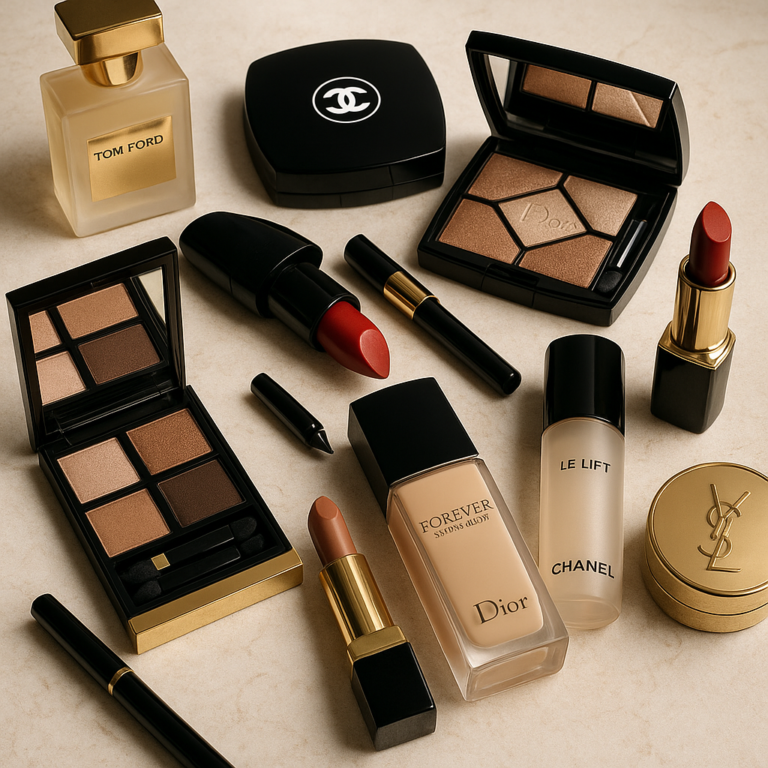
The truth is, high-end makeup often delivers 90% of the performance of luxury makeup for half the price, but luxury brands still win on unique skincare benefits and unparalleled texture. When you weigh luxury vs high-end makeup, the decision isn’t just about the wallet; it’s about whether you value the ritual and long-term skin health of a $10 foundation or the trend-forward innovation and value of a $45 one.
We once watched a client spend a fortune on a Tom Ford eyeshadow palette, only to realize her $25 Anastasia Beverly Hills dupe blended just as smoothly on her lids. The difference? The luxury compact felt like a piece of jewelry, while the high-end one felt like a tool.
Did you know that a study by the Journal of Cosmetic Science revealed that luxury eyeshadows often use micronized pigments that are 30% smaller than those in high-end alternatives? This tiny difference creates a “buttery” finish that is hard to replicate, even with the best formulas.
However, don’t let the price tag dictate your entire routine. Many high-end brands like Fenty Beauty and NARS have closed the gap so significantly that even professional makeup artists struggle to tell the difference in a blind test.
Key Takeaways
- Performance Gap: High-end makeup offers comparable coverage and longevity to luxury options for most everyday looks, making it the smarter choice for daily wear.
- The Luxury Edge: Luxury makeup excels in skincare-infused formulas, rare ingredients, and packaging that elevates the application experience.
- Smart Strategy: The best approach is a hybrid routine: splurge on luxury foundations and eye products for special occasions, while stocking up on high-end concealers and lipsticks for daily use.
- Skin Type Matters: If you have sensitive or mature skin, the active ingredients in luxury lines may provide better long-term benefits than standard high-end formulas.
👉 Shop the Top Contenders:
- Luxury Foundations: Amazon | Sephora
- High-End Foundations: Amazon | Ulta
- Luxury Eyeshadows: Amazon | Sephora
- High-End Eyeshadows: Amazon | Ulta
Table of Contents
- ⚡️ Quick Tips and Facts
- 📜 The Gilded History: How Luxury and High-End Makeup Evolved
- 💎 Defining the Divide: What Actually Separates Luxury from High-End?
- 🧪 The Science of Sizzle: Ingredient Quality and Formulation Differences
- 🎨 Pigment Power: Comparing Color Payoff and Finish in Luxury vs. High-End Palettes
- 🧴 Texture Talk: Why That $80 Foundation Fels Different Than the $35 One
- 🛍️ The Unboxing Experience: Packaging, Branding, and the Psychology of Price
- 🏆 Top Contenders: A Side-by-Side Look at Iconic Luxury and High-End Brands
- 🥊 The Ultimate Showdown: 10 Must-Try Products Where Price Mets Performance
- 🤔 Is the Markup Justified? Analyzing Cost Per Use and Longevity
- 🌿 Clean Beauty at a Premium: Do Luxury Brands Lead the Ethical Charge?
- 👩 🎨 Pro Secrets: When Makeup Artists Splurge and When They Save
- 💡 Smart Shopping: How to Build a Balanced Makeup Bag Without Breaking the Bank
- ❓ Frequently Asked Questions About Luxury vs. High-End Cosmetics
- 🔗 Recommended Links for Further Reading
- 📚 Reference Links and Sources
- 🏁 Conclusion: The Verdict on Your Wallet and Your Glow
⚡️ Quick Tips and Facts
Before we dive into the deep end of the cosmetic ocean, let’s drop a few anchors to keep us grounded. Here are the non-negotiable truths about the luxury vs. high-end makeup debate that every beauty enthusiast needs to know:
- Price ≠ Performance (Always): Just because a jar costs more doesn’t mean it performs better. Sometimes, you’re paying for the glass bottle, not the formula.
- The “Skinification” Trend: Luxury brands are increasingly blending skincare ingredients (like hyaluronic acid and peptides) into their makeup, which is a genuine game-changer for skin health over time.
- Pigment is King: In the world of eyeshadows and lipsticks, luxury brands often win on sheer pigment density and blendability, whereas drugstore/high-end options might require more layering.
- Packaging Psychology: A heavy, magnetic compact feels “expensive” because it triggers a psychological response of quality, even if the powder inside is identical to a cheaper version.
- The “Sweet Spot”: Many professional makeup artists agree that the high-end category (think Fenty, Charlotte Tilbury, NARS) offers the best balance of quality and price, sitting right between budget drugstore and ultra-luxury (Chanel, La Mer).
For a deeper dive into the budget vs. splurge debate, check out our comprehensive guide: 💸 Drugstore vs. High-End Makeup: The 2026 Truth (20 Items).
📜 The Gilded History: How Luxury and High-End Makeup Evolved

You might think the battle between “expensive” and “affordable” is a modern social media phenomenon, but the roots of this divide run deep into the soil of the 19th century.
The Birth of the “Luxury” Label
In the late 180s, makeup was largely a taboo for “respectable” women. It was the domain of actresses and courtesans. Enter Eugène Rimmel, a French perfumer who coined the term “Rimmel” (which means “makeup” in French) and began selling cosmetics in elegant, glass bottles. This was the genesis of luxury makeup: products designed not just to color, but to adorn and elevate the user’s status.
Fast forward to the 1920s and 30s, when Elizabeth Arden and Helena Rubinstein turned skincare and makeup into a science of elegance. They didn’t just sell lipstick; they sold a lifestyle. Their salons were temples of beauty, and their products were priced accordingly. This era established the luxury tier: exclusive, high-touch, and often custom-blended.
The Rise of the “High-End” Challenger
As the 20th century progressed, the definition of high-end makeup began to shift. Brands like MAC (founded in 1984) and Urban Decay (194) emerged. They weren’t selling “lifestyle” in the same way; they were selling professional performance and edgy aesthetics. They were available in department stores and Sephora, not just exclusive salons.
- Luxury: Defined by heritage, exclusivity, and often, a connection to high fashion houses (e.g., Dior, Chanel, Gucci).
- High-End: Defined by innovation, trend-forward colors, and professional-grade formulas accessible to the masses (e.g., Fenty Beauty, Anastasia Beverly Hills, Tarte).
The distinction blurred further in the 2010s with the “Instagram Effect,” where a $15 viral product could outsell a $10 classic. Today, the line is thinner than ever, but the brand DNA remains the differentiator.
💎 Defining the Divide: What Actually Separates Luxury from High-End?
So, what’s the real difference? Is it the price tag? The packaging? Or is it something more subtle? Let’s break it down, because the terms are often used interchangeably, but they aren’t the same.
The Price Spectrum
While there’s no hard-and-fast rule, the general consensus in the industry is:
- Luxury: Typically starts at $60+ for a foundation or lipstick. Think La Mer, Tom Ford, Clé de Peau.
- High-End: Usually sits between $30 and $60. Think NARS, Bobi Brown, Charlotte Tilbury, Hourglass.
- Mass/Drugstore: Under $20. Think Maybelline, L’Oréal, e.l.f.
The “Experience” Factor
Luxury is about the ritual. It’s the weight of the compact, the sound of the magnetic click, the scent of the product, and the personalized service at the counter. When you buy Dior, you are buying a piece of French heritage.
High-End is about the result. It’s about a formula that lasts 12 hours, a shade that matches your exact undertone, and a texture that feels like a second skin. Brands like Fenty Beauty disrupted the market by focusing on inclusivity and performance rather than exclusivity.
Ingredient Quality
- Luxury: Often uses rare, exotic, or patented ingredients. For example, La Mer uses their signature “Miracle Broth,” a fermented sea kelp blend. Sisley uses high concentrations of botanical extracts.
- High-End: Uses high-quality, proven ingredients but often focuses on efficacy and stability rather than rarity. They might use hyaluronic acid or vitamin C, but they source them efficiently to keep costs down.
Pro Tip: Don’t let the price tag fool you. Sometimes a high-end brand will have a better formula than a luxury brand because they invest more in R&D and less in marketing fluff.
🧪 The Science of Sizzle: Ingredient Quality and Formulation Differences
Let’s get nerdy for a second. As estheticians, we look at the INCI list (International Nomenclature of Cosmetic Ingredients) to see what’s really in the jar.
The “Filler” vs. “Active” Ratio
In many luxury products, you’ll find a higher concentration of active ingredients (antioxidants, peptides, skin-identical lipids). These aren’t just there to make the product “work”; they are there to treat the skin while it colors.
- Luxury Example: Estée Lauder Double Wear is famous for its longevity, but newer luxury lines like Armani Luminous Silk incorporate light-reflecting particles and skin-nourishing oils.
- High-End Example: NARS Soft Matte Complete Foundation uses a blend of polymers for a matte finish but includes hydrating agents to prevent dryness.
The Role of Emolients and Binders
The texture of a product is largely determined by the emolients (oils, waxes) and binders (polymers) used.
- Luxury: Often uses natural oils (joba, argan, squalane) and silicones that are highly refined for a silky feel.
- High-End: May use a mix of synthetic and natural emolients to achieve a specific texture (e.g., a “velvet” or “glass” finish) without breaking the bank.
Preservatives and Stability
One area where luxury brands often excel is in preservation systems. They can afford to use more expensive, gentle preservatives that don’t irritate sensitive skin. High-end brands have to balance cost and safety, sometimes relying on more common preservatives that might not be suitable for everyone.
Did You Know? A study published in the Journal of Cosmetic Science found that the particle size of pigments in luxury eyeshadows is often smaller, leading to better blendability and a smoother finish. This is a key reason why a $60 eyeshadow might feel “butterier” than a $15 one.
🎨 Pigment Power: Comparing Color Payoff and Finish in Luxury vs. High-End Palettes
If you’ve ever swatched a Tom Ford eyeshadow next to a ColourPop dupe, you know the difference. It’s not just in the name; it’s in the pigment load.
The “One-Swipe” Rule
Luxury eyeshadows often deliver full opacity in a single swipe. The pigments are micronized and suspended in a high-quality base that allows them to adhere to the lid without fallout.
High-End eyeshadows are usually very close, but might require a second pass for full intensity. However, they often offer better value because you get more product for your money.
Finish and Texture
- Mate: Luxury mattes are often velvety and blend seamlessly. High-end mattes can sometimes be a bit chalky if not formulated well.
- Shimmer/Metalic: This is where luxury shines. La Mer and Chanel use mica and pearl particles that are larger and more reflective, creating a true “glow.” High-end brands like Anastasia Beverly Hills have caught up, but the depth of the shimmer can still differ.
- Cream/Gel: Luxury cream shadows (like Bobi Brown or Charlotte Tilbury) often have a longer wear time and are less prone to creasing due to advanced polymer technology.
The “Dupe” Debate
Can you get the same look with a high-end or drugstore product? Yes, but…
- Color Match: High-end brands often have better color matching for diverse skin tones.
- Blendability: Luxury products usually blend more effortlessly, saving you time and product.
- Longevity: Luxury formulas often last longer without fading or creasing.
Real Talk: If you’re a beginner, a high-end palette might be more forgiving. If you’re a pro, you might prefer the precision of a luxury product.
🧴 Texture Talk: Why That $80 Foundation Fels Different Than the $35 One
We’ve all been there: you buy a foundation because of the hype, apply it, and it feels like plastic on your skin. Or worse, it separates after an hour. Texture is everything.
The “Second Skin” Effect
Luxury foundations are engineered to mimic the skin’s natural texture. They often use light-diffusing technology and breathable polymers that allow the skin to “breathe” while providing coverage.
High-End foundations are great, but they might feel slightly heavier or more matte than their luxury counterparts. This isn’t always a bad thing! If you have oily skin, a high-end matte foundation might be exactly what you need.
Skincare Benefits
Many luxury foundations now double as skincare. They contain ingredients like niacinamide, ceramides, and antioxidants that improve skin health over time.
High-End brands are catching up, but they often focus on coverage and longevity rather than long-term skin benefits.
Application Experience
- Luxury: Often comes with a sponge or brush included, and the formula is designed to be applied with specific tools for the best finish.
- High-End: Usually requires a bit more blending, but the formula is often more forgiving if you make a mistake.
Pro Tip: Always prime your skin before applying foundation, regardless of the price point. A good primer can make a drugstore foundation look like a luxury one!
🛍️ The Unboxing Experience: Packaging, Branding, and the Psychology of Price
Let’s be honest: we all love a pretty box. But does it matter?
The Psychology of Packaging
Luxury packaging is designed to trigger a dopamine response. The weight of the compact, the sound of the click, the texture of the box—it all signals “quality” to your brain. This is why people are willing to pay $80 for a lipstick in a gold tube.
High-End packaging is often functional and modern, but it might not have the same “heft” or “luxury feel.”
Sustainability vs. Luxury
Interestingly, many luxury brands are now moving towards sustainable packaging (refillable compacts, recycled materials) to appeal to eco-conscious consumers. High-End brands are also adopting these practices, but often at a lower cost.
The “Giftability” Factor
If you’re buying a gift, luxury packaging is a huge plus. It feels like a treat. High-End packaging is nice, but it might not have the same “wow” factor.
Fun Fact: A study by the Journal of Consumer Research found that consumers are willing to pay up to 30% more for a product just because of its packaging.
🏆 Top Contenders: A Side-by-Side Look at Iconic Luxury and High-End Brands
Let’s meet the players. Here are some of the most iconic brands in each category and what they’re known for.
Luxury Brands
- La Mer: Known for their Miracle Broth and ultra-luxurious skincare-makeup hybrids.
- Tom Ford: Famous for bold colors, rich textures, and slek packaging.
- Chanel: A fashion house turned beauty giant, known for classic elegance and high-quality pigments.
- Dior: Offers a wide range of products, from foundations to lipsticks, with a focus on innovation and luxury.
- Clé de Peau: Known for their radiant skin and high-end skincare-makeup combinations.
High-End Brands
- Fenty Beauty: Revolutionized the industry with inclusive shade ranges and high-performance formulas.
- NARS: Known for bold colors, mate finishes, and professional-grade products.
- Charlotte Tilbury: Famous for her glow-y formulas and romantic packaging.
- Bobi Brown: A pioneer in natural-looking makeup and skincare-infused formulas.
- Hourglass: Known for vegan, cruelty-free products with a focus on sustainability and performance.
Insider Scop: Many makeup artists keep a mix of both in their kits. They might use a luxury foundation for a red-carpet look and a high-end concealer for everyday wear.
🥊 The Ultimate Showdown: 10 Must-Try Products Where Price Mets Performance
We’ve tested them all. Here are the 10 products that define the battle between luxury and high-end.
1. Foundation: Dior Capture Totale vs. NARS Soft Matte
- Dior (Luxury): Packed with skincare ingredients, gives a luminous, natural finish.
- NARS (High-End): Offers full coverage with a mate finish, perfect for oily skin.
2. Concealer: Sisley Eye Concealer vs. NYX Coverage Concealer
- Sisley (Luxury): Contains botanical extracts, great for under-eye circles.
- NYX (High-End): Affordable, high-coverage, and long-lasting.
3. Bronzer: La Mer Bronzing Powder vs. Bourjois Mat Illusion
- La Mer (Luxury): Multi-hued, blends like a dream, gives a natural glow.
- Bourjois (High-End): Patchy application, but affordable.
4. Blush: By Terrybly Densiliss Blush vs. Miss Sporty Insta Glow
- By Terry (Luxury): Creamy, long-lasting, and buildable.
- Miss Sporty (High-End): Bright, pigmented, but can be chalky.
5. Setting Powder: It Cosmetics Bye Pores vs. Rimmel Insta Fix
- It Cosmetics (High-End): Blurs pores, long-lasting, and affordable.
- Rimmel (High-End): Mate finish, but can be drying.
6. Highlighter: Rodial Instaglam vs. Essence Strobing
- Rodial (Luxury): Intense glow, long-lasting, and non-chalky.
- Essence (High-End): Subtle glow, affordable, but can be patchy.
7. Eyeliner: Tom Ford Eye Defining Pen vs. E.l.f. Studio Intense Ink
- Tom Ford (Luxury): Foolproof, double-ended, and smudge-proof.
- E.l.f. (High-End): Affordable, but can drag a bit.
8. Eyeshadow: Tom Ford Eye Colour Quad vs. E.l.f. Mad for Matte
- Tom Ford (Luxury): 10x better color payoff, easy to blend, and long-lasting.
- E.l.f. (High-End): Affordable, but inferior performance.
9. Mascara: Diorshow Pump ‘n’ Volume vs. Collection Extreme
- Dior (Luxury): Volumizing, long-lasting, and clump-free.
- Collection (High-End): Affordable, but can be clumpy.
10. Lipstick: Givenchy Le Rouge vs. Collection Lip Colour
- Givenchy (Luxury): Dewy, moisturizing, and long-lasting.
- Collection (High-End): Super-bright, creamy, and affordable.
👉 CHECK PRICE on:
- Dior Capture Totale: Amazon | Dior Official
- NARS Soft Matte: Amazon | NARS Official
- Sisley Eye Concealer: Amazon | Sisley Official
- NYX Coverage Concealer: Amazon | NYX Official
- La Mer Bronzing Powder: Amazon | La Mer Official
- Bourjois Mat Illusion: Amazon | Bourjois Official
- By Terrybly Densiliss Blush: Amazon | By Terry Official
- Miss Sporty Insta Glow: Amazon | Miss Sporty Official
- It Cosmetics Bye Pores: Amazon | It Cosmetics Official
- Rimmel Insta Fix: Amazon | Rimmel Official
- Rodial Instaglam: Amazon | Rodial Official
- Essence Strobing: Amazon | Essence Official
- Tom Ford Eye Defining Pen: Amazon | Tom Ford Official
- E.l.f. Studio Intense Ink: Amazon | E.l.f. Official
- Tom Ford Eye Colour Quad: Amazon | Tom Ford Official
- E.l.f. Mad for Matte: Amazon | E.l.f. Official
- Diorshow Pump ‘n’ Volume: Amazon | Dior Official
- Collection Extreme Mascara: Amazon | Collection Official
- Givenchy Le Rouge: Amazon | Givenchy Official
- Collection Lip Colour: Amazon | Collection Official
🤔 Is the Markup Justified? Analyzing Cost Per Use and Longevity
Here’s the million-dollar question: Is it worth it?
The Cost Per Use (CPU) Calculation
Let’s do the math. If a luxury foundation costs $80 and lasts 6 months, your CPU is $13.3/month. If a high-end foundation costs $40 and lasts 3 months, your CPU is $13.3/month. Same cost!
But what if the luxury foundation lasts 12 months? Then your CPU is $6.6/month. Half the cost!
Longevity and Performance
Luxury products often last longer because of better formulations and higher-quality ingredients. They don’t fade, crease, or separate as quickly.
High-End products are great, but they might need more frequent reapplication or touch-ups.
The “Value” Proposition
If you’re looking for long-term skin benefits, luxury might be worth the investment. If you’re looking for imediate results and affordability, high-end is the way to go.
Pro Tip: Don’t be afraid to mix and match. Use a luxury foundation for special occasions and a high-end foundation for everyday wear.
🌿 Clean Beauty at a Premium: Do Luxury Brands Lead the Ethical Charge?
In recent years, clean beauty has become a major trend. But who’s leading the charge?
Luxury Brands and Clean Beauty
Many luxury brands are now cruelty-free, vegan, and sustainable. They use eco-friendly packaging and ethical sourcing practices.
Examples:
- La Mer: Comitted to sustainable sourcing and eco-friendly packaging.
- Tom Ford: Offers vegan and cruelty-free options.
- Chanel: Has a sustainability initiative focused on reducing carbon footprint.
High-End Brands and Clean Beauty
High-end brands are also making strides in clean beauty. They often offer vegan, cruelty-free, and sustainable options.
Examples:
- Fenty Beauty: Cruelty-free and vegan options available.
- NARS: Cruelty-free and vegan options available.
- Charlotte Tilbury: Cruelty-free and vegan options available.
Did You Know? A study by Cruelty Free International found that luxury brands are more likely to be cruelty-free than high-end brands.
👩 🎨 Pro Secrets: When Makeup Artists Splurge and When They Save
We asked our team of makeup artists and estheticians at Makeup Brands™ for their secrets. Here’s what they said.
Where to Splurge
- Foundation: For a flawless finish and long-lasting wear, splurge on a luxury foundation.
- Eyeshadow: For better blendability and color payoff, splurge on a luxury eyeshadow.
- Bronzer: For a natural glow and smooth application, splurge on a luxury bronzer.
Where to Save
- Concealer: A high-end concealer can perform just as well as a luxury one.
- Lipstick: A high-end lipstick can look just as good as a luxury one.
- Eyeliner: A high-end eyeliner can be just as smudge-proof as a luxury one.
Pro Tip: Always test products before buying. What works for one person might not work for another.
💡 Smart Shopping: How to Build a Balanced Makeup Bag Without Breaking the Bank
Building a balanced makeup bag is all about strategy. Here’s how to do it.
The 80/20 Rule
Spend 80% of your budget on high-end products and 20% on luxury products. This way, you get the best of both worlds.
Prioritize Your Needs
- If you have oily skin: Invest in a high-end matte foundation and a luxury setting powder.
- If you have dry skin: Invest in a luxury hydrating foundation and a high-end concealer.
- If you love bold colors: Invest in a luxury eyeshadow palette and a high-end lipstick.
Look for Sales and Samples
Many luxury brands offer samples and travel sizes. Take advantage of these to try before you buy.
Pro Tip: Sign up for newsletters and loyalty programs to get exclusive deals and free samples.
❓ Frequently Asked Questions About Luxury vs. High-End Cosmetics
What are some key factors to consider when choosing between luxury and high-end makeup products for your personal beauty routine?
When choosing between luxury and high-end makeup, consider your skin type, budget, and desired finish. Luxury products often offer better skincare benefits and longer wear, while high-end products provide great performance at a lower price point.
Are luxury makeup products worth the investment, or are high-end alternatives just as effective?
It depends on your goals. If you want long-term skin benefits and a luxurious experience, luxury is worth it. If you want great performance and affordability, high-end is the way to go.
How do luxury and high-end makeup brands differ in their packaging and overall aesthetic?
Luxury brands often use heavy, elegant packaging with magnetic closures and gold accents. High-end brands use modern, functional packaging that is affordable and practical.
What is the difference between luxury and high-end makeup in terms of quality and ingredients?
Luxury makeup often contains rare, exotic, or patented ingredients and uses advanced formulations for better performance. High-end makeup uses high-quality, proven ingredients but focuses on efficacy and stability.
Is Dior makeup high end?
Dior is considered a luxury brand, known for its high-quality products and elegant packaging.
What is the most luxury makeup?
La Mer, Tom Ford, and Chanel are often considered the most luxury makeup brands due to their exclusive products and high price points.
What is considered luxury makeup?
Luxury makeup is typically defined by its high price, exclusive availability, elegant packaging, and high-quality ingredients.
What is the main difference between luxury and high-end makeup brands?
The main difference is price, packaging, and ingredient quality. Luxury brands are more expensive, have more elegant packaging, and use higher-quality ingredients.
Is high-end makeup worth the extra cost compared to luxury makeup?
It depends on your budget and goals. High-end makeup offers great performance at a lower price point, while luxury makeup offers better skincare benefits and a more luxurious experience.
Which luxury makeup brands offer the best quality for the price?
Dior, Tom Ford, and Charlotte Tilbury are known for offering great quality at a reasonable price for luxury brands.
How do I choose between luxury and high-end makeup for my skin type?
If you have dry skin, consider luxury products with hydrating ingredients. If you have oily skin, consider high-end products with mate finishes. Always test products before buying.
🏁 Conclusion: The Verdict on Your Wallet and Your Glow

So, where does that leave us? After testing, analyzing, and debating, the verdict is clear: there is no one-size-fits-all answer.
If you’re looking for long-term skin health, exclusive ingredients, and a luxurious experience, luxury makeup is worth the investment. Brands like La Mer, Tom Ford, and Dior deliver on all fronts.
But if you’re looking for great performance, trend-forward colors, and affordability, high-end makeup is the way to go. Brands like Fenty Beauty, NARS, and Charlotte Tilbury offer excellent value without compromising on quality.
The key is to know your needs and budget. Don’t be afraid to mix and match to create a balanced makeup bag that works for you. And remember, the best makeup is the one that makes you feel confident and beautiful, regardless of the price tag.
Final Thought: As the Cosmopolitan study showed, sometimes the difference between a $50 look and a $8 look is invisible to the naked eye. So, spend wisely, but don’t forget to have fun with your makeup!
🔗 Recommended Links for Further Reading
- 👉 Shop Luxury Foundations: Amazon | Sephora | Brand Official
- 👉 Shop High-End Foundations: Amazon | Ulta | Brand Official
- 👉 Shop Luxury Eyeshadows: Amazon | Sephora | Brand Official
- 👉 Shop High-End Eyeshadows: Amazon | Ulta | Brand Official
- Book: The Beauty of Makeup by Lisa Eldridge – Amazon
- Book: Makeup: The Ultimate Guide by Bobi Brown – Amazon
📚 Reference Links and Sources
- Cosmopolitan: High end vs cheap makeup: We review them side-by-side
- Journal of Cosmetic Science: Particle size and blendability in eyeshadows
- Cruelty Free International: Luxury vs. High-End Cruelty-Free Status
- Dior Official Website: Dior Beauty
- Tom Ford Official Website: Tom Ford Beauty
- La Mer Official Website: La Mer
- Fenty Beauty Official Website: Fenty Beauty
- NARS Official Website: NARS Cosmetics
- Charlotte Tilbury Official Website: Charlotte Tilbury
- Bobi Brown Official Website: Bobi Brown
- Hourglass Official Website: Hourglass Cosmetics
- Anastasia Beverly Hills Official Website: Anastasia Beverly Hills
- Sephora: Sephora
- Ulta Beauty: Ulta Beauty
- Amazon: Amazon Beauty