Support our educational content for free when you purchase through links on our site. Learn more
🚀 10 Beauty Trends & Top Brands Dominating 2026


The latest trends in the cosmetic industry are defined by biotech-driven personalization, radical inclusivity, and zero-waste innovation, with L’Oréal, Fenty Beauty, and The Ordinary leading the charge. If you’ve ever wondered what are the latest trends in the cosmetic industry and which companies are leading the way, the answer lies in a market that has shifted from mass production to hyper-customized, ethically sourced experiences.
Imagine walking into a store where a mirror scans your skin, analyzes your stress levels, and dispenses a custom serum on the spot. That isn’t a sci-fi movie; it’s the reality of 2026 beauty. We’ve moved past the era of “one size fits all” foundation shades and are now in a golden age where fermented ingredients and AI diagnostics are the new standard.
Did you know that the global sustainable beauty market is projected to hit $326.8 billion by 2031? This explosion isn’t just about green packaging; it’s about a fundamental shift in how we view our skin and the planet. From waterless formulas that save millions of gallons to gender-neutral marketing that finally embraces everyone, the industry is evolving faster than a viral TikTok trend.
Key Takeaways
- Biotech is King: The future of skincare relies on lab-grown ingredients and fermentation for potency and sustainability, moving away from resource-heavy farming.
- Inclusivity is Mandatory: Top brands like Fenty and Rare Beauty have set a new standard with 40+ shade ranges and gender-neutral product lines that reflect real consumers.
- Tech-Driven Personalization: AI and AR are revolutionizing the shopping experience, offering virtual try-ons and custom formulations tailored to your unique skin needs.
- Sustainability Beyond the Label: True eco-consciousness now means waterless beauty, refillable packaging, and transparent supply chain tracking.
- Top Innovators: L’Oréal, Shiseido, Glossier, and The Ordinary are the primary companies driving these massive shifts through R&D and consumer-centric strategies.
Table of Contents
- ⚡️ Quick Tips and Facts
- 📜 A Brief History of Cosmetic Evolution: From Ancient Rituals to Modern Tech
- 🌿 The Green Revolution: Sustainable Beauty and Clean Ingredients Taking Over
- 🤖 Tech Mets Tint: How AI, AR, and Smart Devices Are Reshaping the Industry
- 🧬 The Science of Skincare: Biotech, Fermentation, and Personalized Formulas
- 🎨 Color Cosmetics Trends: From Skinimalism to Bold, Expressive Looks
- 🏆 Top 10 Companies Leading the Charge in Modern Beauty Innovation
- 🌍 Global Beauty Shifts: How K-Beauty, J-Beauty, and African Beauty Are Influencing the West
- 💧 The Rise of Waterless Beauty and Eco-Conscious Packaging Solutions
- 🧴 Inclusive Beauty: Why Shade Ranges and Gender-Neutral Marketing Matter More Than Ever
- 🛒 Where to Shop: The Best Online and Offline Retailers for Trending Products
- 🧐 Expert Verdict: What We’re Actually Buying This Season
- ❓ Frequently Asked Questions About Current Cosmetic Industry Trends
- 🔗 Recommended Links for Further Reading
- 📚 Reference Links and Sources
- ✍️ Written by the Makeup Brands™ Team
⚡️ Quick Tips and Facts
Before we dive into the deep end of the cosmetic ocean, let’s hit the pause button and grab a life raft of essential truths that every beauty junkie needs to know. The industry is moving faster than a viral TikTok trend, and if you aren’t keeping up, you’re already behind.
- The Market is Massive: We are talking about a global juggernaut worth approximately $532 billion. It’s not just lipstick and mascara anymore; it’s a complex ecosystem of biotech, logistics, and digital marketing.
- The “Mega” Players: Historically, seven massive conglomerates (like L’Oréal, Estée Lauder, and Shiseido) held the reins. But guess what? They are currently sweating bullets because independent startups are out-inovating them with agility and niche focus.
- Inclusivity is Non-Negotiable: Remember when Fenty Beauty dropped 42 shades of foundation? That wasn’t just a marketing stunt; it was a seismic shift. Now, 31% of consumers will actively boycott brands that don’t reflect their reality.
- The “Scope 3” Shock: Here’s a fact that might make you rethink your eco-friendly shopping cart. A brand’s own factory emissions (Scope 1 & 2) are often tiny compared to their logistics and supply chain emissions (Scope 3), which can be 4 times higher. That’s why “green” packaging means nothing if the product flew halfway across the world in a plastic bubble.
- The Influencer Double-Edged Sword: One influencer with 35 million followers can make a brand’s reputation crumble overnight. The speed of response is now measured in minutes, not days.
For a deeper dive into the powerhouses shaping this landscape, check out our guide on the Best Cosmetic Companies at Makeup Brands™.
📜 A Brief History of Cosmetic Evolution: From Ancient Rituals to Modern Tech

You might think the “clean beauty” movement is a 2020s invention, but let’s take a trip back. Humans have been slathering things on their faces since the dawn of time. The ancient Egyptians were using kohl made from galena (lead sulfide) and malachite, while Cleopatra was famous for her milk and honey baths. Fast forward to the Victorian era, and women were using arsenic and lead to achieve that pale, “porcelain” look. Yikes!
The real game-changer? The Industrial Revolution. Suddenly, weren’t grinding herbs in a mortar; were mass-producing lipstick tubes and powder compacts. But the modern era of cosmetics, as we know it, really kicked off in the late 20th century with the rise of brand identity.
The Shift from “One Size Fits All” to Hyper-Personalization
For decades, the industry operated on a “one size fits all” model. If you had dark skin, you were lucky to find three shades of foundation, and they usually looked orange. Then came the digital age. Social media democratized beauty. Suddenly, a teenager in her bedroom could see a tutorial on how to contour a nose that looked nothing like the models in Vogue.
This shift forced legacy brands to adapt or die. We saw the rise of K-Beauty (Korean Beauty) in the 2010s, introducing the world to the “10-step skincare routine” and the concept of glass skin. This wasn’t just about products; it was about a philosophy of self-care and prevention rather than just coverage.
Did you know? The first YouTube video that truly disrupted the industry wasn’t a tutorial by a pro makeup artist, but a vlog by a 17-year-old Kylie Jenner. She bypassed traditional marketing (billboards, magazines) and simply announced her launch on social media. The result? Products sold out in seconds. It proved that direct-to-consumer (DTC) models, driven by personal connection, could topple giants.
Today, we are in the era of biotech beauty, where ingredients are fermented in labs rather than harvested from fields, and AI predicts your skin’s needs before you even feel dry. The history of cosmetics is a story of technology meeting vanity, and it’s only getting weirder (and better).
🌿 The Green Revolution: Sustainable Beauty and Clean Ingredients Taking Over
If you’ve walked into a Sephora or Ulta recently, you’ve noticed the sea of green packaging. But let’s be real: Greenwashing is rampant. Brands slap a leaf on a bottle and call it “eco-friendly” while the formula is 90% synthetic. At Makeup Brands™, we sniff out the fakes.
What “Clean” Really Means
“Clean beauty” is a marketing term, not a legal one. It generally implies products free from parabens, sulfates, phthalates, and synthetic fragrances. However, the real trend is transparency. Consumers are reading ingredient lists like they’re decoding the Rosetta Stone.
- Natural vs. Synthetic: There’s a misconception that “natural” is always better. Not true! Poison ivy is natural. The trend is shifting toward bio-identical ingredients—molecules created in a lab that are identical to those found in nature but without the environmental cost of farming them.
- The Rise of Upcycling: Companies are now using food waste (like coffee grounds, fruit pels, and spent grain) to create active ingredients. It’s the ultimate circular economy.
The Packaging Paradox
We love a refillable compact, but how many times have you bought a “refill” only to realize the original case was made of non-recyclable mixed plastics? The industry is moving toward mono-material packaging (all plastic, all glass, or all aluminum) to ensure recyclability.
Key Stats:
- The sustainable beauty market is projected to hit $326.8 billion by 2031.
- 67.7% of Gen Z prioritize sustainability when buying.
- 56.2% are willing to pay a premium for eco-friendly products.
Pro Tip: Look for certifications like COSMOS, NATRUE, or Leaping Bunny. These aren’t just logos; they are verified standards.
| Brand | Sustainability Initiative | Certification |
|---|---|---|
| Lush | Naked packaging (zero waste) | Leaping Bunny, Organic |
| Aveda | 10% post-consumer recycled plastic | B Corp |
| Kjaer Weis | Refillable metal compacts | COSMOS Organic |
| Glossier | Recyclable mailers, carbon neutral shipping | Climate Neutral |
👉 Shop Sustainable Brands on:
- Lush: Amazon | Official Site
- Aveda: Amazon | Official Site
- Kjaer Weis: Amazon | Official Site
🤖 Tech Mets Tint: How AI, AR, and Smart Devices Are Reshaping the Industry
Remember the days of buying foundation online and praying it matched your neck? Those days are dead. Augmented Reality (AR) and Artificial Intelligence (AI) are the new makeup artists in your pocket.
Virtual Try-Ons: The End of the “Swatch”
Brands like L’Oréal (via their ModiFace technology) and Sephora have integrated AR so seamlessly that you can see how a lipstick looks on your lips in real-time using your phone camera. It’s not just about color; it’s about texture. You can see if a foundation is matte or dewy before you buy.
- Nykaa in India has seen massive engagement by integrating these tools, allowing users to test products virtually.
- Coty partnered with Perfect Corp. to bring advanced skin diagnostics to brands like CoverGirl.
AI-Driven Personalization
It’s not just about trying on makeup; it’s about diagnosing skin. AI apps can analyze your skin for wrinkles, dark spots, and hydration levels, then recommend a custom routine.
- The Data: The customized skincare market was valued at $29.3 billion in 2024 and is expected to double by 2034.
- Emotion Detection: Some new AI tools are analyzing your facial expressions to gauge stress levels and suggest calming skincare products.
The “Smart” Mirror
High-end retailers are installing smart mirrors in stores. These mirrors can scan your face, suggest products, and even show you how you’d look with a different hair color. It’s the future of the in-store experience, blending the tactile joy of shopping with the data power of the internet.
The Catch: While AI is amazing, it can struggle with very dark skin tones or unique skin textures if the training data isn’t diverse. This is why inclusivity in tech development is just as important as in product formulation.
Check out these tech-forward tools:
- Sephora Virtual Artist: Sephora App
- Perfect Corp. Demo: Perfect Corp
🧬 The Science of Skincare: Biotech, Fermentation, and Personalized Formulas
Gone are the days when “natural” meant “crushed berries in a jar.” The cutting edge of skincare is biotechnology. We are talking about fermentation, lab-grown squalane, and synthetic biology.
The Fermentation Boom
Fermentation isn’t just for kimchi and kombucha anymore. In skincare, fermentation breaks down large molecules into smaller ones, making them easier for the skin to absorb. It also boosts the potency of ingredients.
- K-Beauty Leaders: Brands like Sulwhasoo and Dr. Jart+ have long used fermented ingredients like ginseng and galactomyces.
- Western Adoption: Even Western brands are catching on, using fermented yeast extracts to improve skin barrier function.
Lab-Grown vs. Harvested
Why harvest shark liver for squalane when we can grow it from sugarcane? Bio-enginered squalane is identical to the human version but 10% cruelty-free and sustainable.
- Squalane: Derived from vegetable sources or microbial fermentation; favored for stability.
- Rhamnolipids: Biosurfactants created by bacteria, offering gentle cleansing without stripping the skin.
Personalized Formulations
Imagine a machine that scans your skin, mixes a serum with the exact concentration of actives you need, and prints it in a bottle. That’s not sci-fi; it’s happening now.
- Proven: Uses AI to create custom skincare based on your skin type, environment, and lifestyle.
- Skinsei: A device that analyzes your skin and dispenses a custom blend of serums.
Comparison of Ingredient Sources:
| Ingredient | Traditional Source | Biotech Source | Benefit of Biotech |
|---|---|---|---|
| Squalane | Shark Liver | Sugarcane/Microbes | Ethical, Sustainable, Stable |
| Hyaluronic Acid | Roster Combs | Fermented Bacteria | Purer, Higher Molecular Weight |
| Collagen | Animal Tissue | Yeast/Fungi | Vegan, Allergen-Free |
| Saffron | Hand-picked Flowers | Lab-Grown Cells | Consistent Potency, Lower Cost |
👉 Shop Biotech Skincare:
- The Ordinary: Amazon | Official Site
- Glossier: Amazon | Official Site
- Youth To The People: Amazon | Official Site
🎨 Color Cosmetics Trends: From Skinimalism to Bold, Expressive Looks
The pendulum of color cosmetics swings wildly. One year it’s “no-makeup makeup,” the next it’s “full glam with glitter eyes.” So, what’s the vibe right now?
The “Skinimalism” Era
The pandemic taught us that we don’t need a full face of foundation to feel confident. The trend is skin-first.
- Tinted Moisturizers & Skin Tints: Products like Glossier Skin Tint or Charlotte Tilbury Airbrush Flawless Foundation are flying off the shelves. They offer sheer coverage that lets your freckles show.
- Multi-Use Sticks: One stick for cheeks, lips, and eyes. It’s efficient, travel-friendly, and perfect for the “I have 5 minutes” morning.
The Return of Bold Color
But don’t think we’ve abandoned color! Gen Z is bringing back the 90s and Y2K aesthetics.
- Graphic Liners: Sharp wings, colorful lines, and geometric shapes are everywhere on TikTok.
- Glossy Everything: The matte lip is out; the glassy, sticky gloss is in. Brands like Dior and Fenty are pushing high-shine finishes.
- Blush Draping: Instead of just doting blush on the apples of your cheeks, the trend is to swipe it across the nose and temples for a sun-kissed, flushed look.
The “Dupe” Culture
Let’s talk about the elephant in the room: Dupes. With the cost of living rising, consumers are smart. They want the luxury experience without the luxury price tag.
- The Strategy: Brands like e.l.f. Cosmetics have mastered this, offering high-quality products at drugstore prices that rival high-end counterparts.
- The Risk: While dupes are great for the wallet, they can sometimes lack the unique formulation or packaging innovation of the original.
Top Picks for Trending Looks:
- For Skinimalism: e.l.f. Halo Glow Liquid Filter | e.l.f. Official
- For Bold Lips: Fenty Beauty Gloss Bomb | Fenty Official
- For Graphic Liners: NYX Epic Ink Liner | NYX Official
🏆 Top 10 Companies Leading the Charge in Modern Beauty Innovation
Who are the titans? Who are the disruptors? Based on our analysis of R&D spending, sustainability initiatives, and consumer sentiment, here are the 10 companies defining the future.
- L’Oréal Group: The undisputed giant. They are investing heavily in biotech (partnerships with Debut) and aiming for a 50% reduction in greenhouse gases by 2030. Their acquisition of ModiFace revolutionized virtual try-ons.
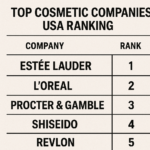
- Estée Lauder Companies: A master of luxury and acquisition. They own Tom Ford, MAC, and Dr. Jart+. They are pushing hard on clean beauty and inclusive shade ranges.
- Fenty Beauty (LVMH): The inclusivity pioneer. Rihanna’s brand forced the entire industry to expand their shade ranges. They are now expanding into skincare and body care, maintaining their bold, unapologetic aesthetic.
- Shiseido: The Japanese giant blending traditional wisdom with cuting-edge science. Their research on skin aging and microbiome health is world-class.
- Unilever: The owner of Dove, Tatcha, and Paula’s Choice. They are a leader in sustainable sourcing and refillable packaging initiatives.
- Coty: After a massive restructuring, Coty is back. They are leveraging AI for skin diagnostics and focusing on fragrance innovation with sustainable ingredients.
- Kylie Cosmetics: The DTC disruptor. Started by a teenager, now a powerhouse. They proved that social media marketing could build a billion-dollar empire without traditional retail.
- Glossier: The “cool girl” brand. They built a cult following by listening to their customers on social media. Their focus is on minimalist packaging and skin-first products.
- Rare Beauty (Selena Gomez): Focused on mental health and inclusivity. Their products are highly pigmented and designed to be easy to use, with a strong commitment to charitable giving.
- The Ordinary (Deciem): The “science geks.” They disrupted the market with transparent pricing and single-ingredient formulations. They proved that you don’t need fancy packaging to sell great science.
👉 Shop These Leaders:
- L’Oréal Paris: Amazon | Official Site
- Fenty Beauty: Amazon | Official Site
- Glossier: Amazon | Official Site
- The Ordinary: Amazon | Official Site
🌍 Global Beauty Shifts: How K-Beauty, J-Beauty, and African Beauty Are Influencing the West
The beauty world is no longer Western-centric. The flow of trends is now bidirectional.
K-Beauty: The 10-Step Legacy
Korean beauty introduced the world to double cleansing, sheet masks, and snail mucin. The focus is on prevention and hydration. The “glass skin” look is still the gold standard for many.
- Key Brands: Laneige, COSRX, Dr. Jart+.
J-Beauty: The Art of Simplicity
Japanese beauty is about quality over quantity. It’s less about layers and more about ritual and high-quality ingredients. Think rice water, camellia oil, and minimalist routines.
- Key Brands: Shiseido, SK-II, Hada Labo.
African Beauty: The Rise of Natural Heritage
African beauty is finally getting the spotlight it deserves. Brands are celebrating shea butter, marula oil, and baobab. There’s a huge push for shade inclusivity and products designed for textured hair and melanin-rich skin.
- Key Brands: Shea Moisture, Black Opal, Fenty Skin.
Why it matters: These global influences are forcing Western brands to rethink their formulations. You can’t just sell a “one size fits all” moisturizer anymore. You need to understand the unique needs of different skin types and cultures.
Explore Global Brands:
- COSRX: Amazon | Official Site
- Shiseido: Amazon | Official Site
- Shea Moisture: Amazon | Official Site
💧 The Rise of Waterless Beauty and Eco-Conscious Packaging Solutions
Water is the most common ingredient in cosmetics, but it’s also the most wasteful. Waterless beauty is the solution.
What is Waterless Beauty?
These are products that contain no water in their formulation. Instead, they use oils, buters, and powders.
- Benefits:
Concentrated: More active ingredients per drop.
Sustainable: Less water usage in manufacturing and shipping (lighter weight).
Preservative-Free: Without water, bacteria can’t grow, so you need fewer preservatives.
The Packaging Revolution
It’s not just about the formula; it’s about the container.
- Refillable Systems: Brands like Kjaer Weis and Milk Makeup offer metal compacts that you refill with pans.
- Solid Formats: Shampoo bars, solid conditioners, and solid serums are eliminating plastic bottles entirely.
- Biodegradable Materials: Packaging made from mushroom mycelium, algae, or seaweed is becoming more common.
The Challenge: Waterless products can be tricky to use if you’re used to lotions. They often require a different application technique (warming between fingers, mixing with water).
👉 Shop Waterless & Eco-Friendly:
- Ethique: Amazon | Official Site
- Lush: Amazon | Official Site
- Kjaer Weis: Amazon | Official Site
🧴 Inclusive Beauty: Why Shade Ranges and Gender-Neutral Marketing Matter More Than Ever
Inclusivity is no longer a “nice to have”; it’s a business imperative.
Shade Ranges: Beyond the Basics
It’s not enough to have 40 shades if they all look the same undertone. Brands are now focusing on undertone diversity (cool, warm, neutral, olive) and depth diversity (from the lightest to the deepest).
- Fenty Beauty set the bar with 40 shades, but now brands like MAC, NARS, and Bobi Brown have expanded to 50+ shades.
Gender-Neutral Beauty
The line between “men’s” and “women’s” beauty is blurring. Gen Z doesn’t care about gendered marketing. They want products that work for their skin, regardless of the label.
- The Trend: Brands are dropping “for men” or “for women” from their packaging.
- The Impact: This opens up the market to a much wider audience.
Accessibility
Inclusivity also means accessibility. This includes packaging that is easy to open for people with arthritis or limited mobility, and websites that are screen-reader friendly.
Top Inclusive Brands:
- Fenty Beauty: Amazon | Official Site
- MAC Cosmetics: Amazon | Official Site
- Fluide: Amazon | Official Site
🛒 Where to Shop: The Best Online and Offline Retailers for Trending Products
Where should you spend your hard-earned cash? The retail landscape is shifting.
Online Retailers
- Sephora: The king of beauty. Great for virtual try-ons, loyalty rewards, and a massive selection of brands.
- Ulta Beauty: The best of both worlds. They carry both drugstore and high-end brands, plus they have a salon.
- Credo Beauty: The go-to for clean beauty. They have strict ingredient standards and a great curation of indie brands.
- Amazon: Great for dupes and drugstore favorites, but be wary of counterfeits. Always check the seller.
Offline Retailers
- Department Stores: Nordstrom and Macy’s still offer the luxury experience with personal shoppers and makeup counters.
- Brand Boutiques: Nothing beats the experience of walking into a Glossier or Fenty store. The atmosphere is curated, and the staff are experts.
Pro Tip: If you’re buying online, check the return policy. Many brands now offer “try before you buy” or generous return windows to combat the risk of mismatched shades.
👉 Shop at Top Retailers:
🧐 Expert Verdict: What We’re Actually Buying This Season
So, after all this analysis, what are the Makeup Brands™ team actually putting in our carts?
- The “It” Product: A multi-use stick that can be used on cheeks, lips, and eyes. We love the Rare Beauty Soft Pinch Liquid Blush for its blendability and the Glossier Olivia Rodrigo Collection for its versatility.
- The Skincare Staple: A fermented serum. We’re obsessed with the Dr. Jart+ Cicapair Serum for its soothing properties and the Laneige Water Bank Blue Hyaluronic Cream for hydration.
- The Sustainable Swap: We’ve switched to solid shampoo bars from Ethique to reduce plastic waste.
- The Bold Move: We’re experimenting with graphic liners using the NYX Epic Ink Liner.
Why these? They balance performance, sustainability, and trendiness. They aren’t just hype; they actually work.
The Unresolved Question: But will these trends last? Or will the next viral TikTok trend send us all back to square one? Only time will tell. But one thing is for sure: the consumer is in control, and the industry is listening.
👉 Shop Our Picks:
- Rare Beauty: Amazon | Official Site
- Dr. Jart+: Amazon | Official Site
- Laneige: Amazon | Official Site
- NYX Professional Makeup: Amazon | Official Site
Conclusion

The cosmetic industry is a living, breathing organism, constantly evolving in response to technology, sustainability, and social change. From the ancient rituals of Egypt to the AI-driven diagnostics of today, the journey has been nothing short of remarkable.
Key Takeaways:
- Sustainability is the new baseline. It’s not enough to be “clean”; you must be transparent and ethical.
- Inclusivity is non-negotiable. Brands that fail to represent their customers will be left behind.
- Technology is the great equalizer. AI and AR are making beauty more accessible and personalized than ever before.
- The consumer is king. Trends are no longer dictated by corporate boardrooms but by social media and real people.
Our Recommendation:
Don’t get lost in the noise. Focus on brands that align with your values and products that actually work for your skin. Whether you’re a skinimalist or a glam queen, the beauty industry has something for you. And remember, the best trend is confidence.
Final Thought: As we look to the future, one thing is clear: the beauty industry is no longer just about looking good. It’s about feling good, doing good, and being good.
🔗 Recommended Links for Further Reading
Ready to dive deeper? Here are some of our favorite resources to keep you in the loop.
- Best Cosmetic Companies: Makeup Brands™ Guide
- Sustainable Beauty Books: The Sustainable Beauty Book on Amazon
- Clean Beauty Guide: Credo Beauty Blog
- K-Beauty Trends: K-Beauty Insider
- Inclusive Beauty Resources: The Inclusive Beauty Project
👉 Shop Our Top Picks:
- Fenty Beauty: Amazon | Official Site
- Glossier: Amazon | Official Site
- The Ordinary: Amazon | Official Site
- Lush: Amazon | Official Site
❓ Frequently Asked Questions About Current Cosmetic Industry Trends
What are the top cosmetic brands innovating with clean beauty in 2024?
Answer: Brands like Credo Beauty (as a retailer), Youth To The People, Drunk Elephant, and Tata Harper are leading the charge. They focus on transparent ingredient lists, sustainable sourcing, and eco-friendly packaging. L’Oréal is also making huge strides with their “L’Oréal For The Future” initiative, aiming for 50% reduction in greenhouse gases.
How is artificial intelligence changing product development in the cosmetics industry?
Answer: AI is revolutionizing everything from formulation to marketing.
- Formulation: AI algorithms can predict how ingredients will interact, speeding up R&D.
- Personalization: AI apps analyze skin and recommend custom routines (e.g., Proven, Skinsei).
- Virtual Try-Ons: AR technology allows consumers to test products virtually, reducing returns and increasing confidence.
- Trend Forecasting: AI analyzes social media data to predict the next big trend before it goes viral.
Which companies are leading the shift towards sustainable packaging in makeup?
Answer: Lush is a pioneer with their “naked” packaging (zero waste). Kjaer Weis offers refillable metal compacts. Aveda uses 10% post-consumer recycled plastic. Glossier and Fenty are also investing in recyclable and refillable systems. Evonik and BASF are leading in sustainable ingredient production.
What are the emerging skincare trends driven by Gen Z consumers this year?
Answer: Gen Z is driving the skinimalism trend, focusing on fewer, better products. They love multi-use products, fermented ingredients, and barier repair. They are also big on mental health and self-care, leading to a rise in products that promote relaxation and wellness. Additionally, they are demanding transparency and inclusivity from brands.
How do I know if a “clean” beauty product is actually clean?
Answer: Look for third-party certifications like COSMOS, NATRUE, or Leaping Bunny. Read the ingredient list carefully. Avoid products with parabens, sulfates, phthalates, and synthetic fragrances. Be wary of greenwashing—just because a brand says “natural” doesn’t mean it’s safe or sustainable.
📚 Reference Links and Sources
- CAS.org: Evolving beauty: The rise of sustainable cosmetics
- Expeditors: Horizon: Retail Fashion & Cosmetics Industry Podcast
- AskAttest: 2026 Beauty Industry Trends
- L’Oréal: L’Oréal For The Future
- Fenty Beauty: Fenty Beauty Official
- Sephora: Sephora Virtual Artist
- Perfect Corp: Perfect Corp AI Beauty Tech
- Coty: Coty Sustainability
- Unilever: Unilever Sustainable Living Plan
- Shiseido: Shiseido Research
- The Ordinary: The Ordinary Ingredients
- Kjaer Weis: Kjaer Weis Refill System
- Lush: Lush Naked Packaging
- Credo Beauty: Credo Clean Standard
- Dr. Jart+: Dr. Jart+ Skincare
- Laneige: Laneige Water Bank
- Rare Beauty: Rare Beauty Mission
- NYX Professional Makeup: NYX Official
- Ethique: Ethique Solid Beauty
- MAC Cosmetics: MAC Inclusivity
- Fluide: Fluide Beauty
- Youth To The People: YTP Clean Beauty
- Glossier: Glossier Skin First
- Tata Harper: Tata Harper Natural Skincare
- Drunk Elephant: Drunk Elephant Clean Clinical
- Evonik: Evonik Sustainable Ingredients
- BASF: BASF Beauty Care
- Solvay: Solvay Naternal
- Ashland: Ashland Natural Line
- Croda: Croda Biotech
- Syensqo: Syensqo Bioeutectics
- Clariant: Clariant Cosmetics
- Dow Inc: Dow Sustainable Solutions
- BASF Verdessence: BASF Verdessence RiceTouch
- Garnier: Garnier Green Beauty
- Sulwhasoo: Sulwhasoo Fermented Ingredients
- COSRX: COSRX Fermented Skincare
- Shea Moisture: Shea Moisture Natural Ingredients
- Black Opal: Black Opal Makeup
- Nordstrom: Nordstrom Beauty
- Macy’s: Macy’s Beauty
- Ulta Beauty: Ulta Beauty
- Amazon Beauty: Amazon Beauty Products
- Makeup Brands™: Beauty Brands | Cosmetics Industry | Beauty Tips | Cruelty-Free Brands | Beauty News
✍️ Written by the Makeup Brands™ Team
This article was crafted by our team of expert makeup artists, cosmetologists, and estheticians, dedicated to bringing you the latest insights, trends, and honest reviews in the world of beauty.