Support our educational content for free when you purchase through links on our site. Learn more
🌿 10 Sustainable Cosmetic Brands That Actually Walk the Talk (2026)

The truth is, RMS Beauty, Kjaer Weis, and Elate Cosmetics are the only sustainable cosmetic brands that truly balance high-performance luxury with zero-waste ethics. While many labels scream “eco-friendly,” these pioneers prove you don’t have to sacrifice a flawless finish to save the planet.
We’ve tested hundreds of “green” products, and the difference between a marketing gimmick and a genuine revolution is stark. Did you know that the beauty industry generates over 120 billion units of packaging waste every single year? That’s a staggering number that makes every refillable compact feel like a small act of rebellion.
Imagine walking into a makeup artist’s kit and seeing nothing but sleek metal cases and glass jars instead of a mountain of plastic tubes. That’s the reality we’ve built with the brands on this list. They aren’t just selling makeup; they are selling a future where beauty doesn’t cost the earth.
Ready to ditch the greenwashing and find your new holy grail? Let’s dive into the brands that are redefining what it means to beautiful.
Key Takeaways
- True sustainability goes beyond ingredients: Look for refillable systems, plastic-free packaging, and third-party certifications like B Corp and Leaping Bunny.
- Performance meets ethics: Brands like Kjaer Weis and Ilia prove that clean formulas can outperform traditional heavy-hitters in pigmentation and longevity.
- Cost is an investment: While upfront prices are higher, refillable compacts and concentrated formulas often save money over time compared to buying disposable products.
- Avoid the “Natural” trap: Always verify claims with certifications; “natural” is unregulated, but EWG Verified and COSMOS are trustworthy standards.
👉 Shop the Top Sustainable Brands:
- Refillable Luxury: Kjaer Weis | Elate Cosmetics
- Clean Color: Ilia Beauty | RMS Beauty
- Zero-Waste Essentials: Axiology
Table of Contents
- ⚡️ Quick Tips and Facts
- 🌱 The Green Evolution: A History of Sustainable Cosmetics
- 🧐 Decoding the Hype: What “Sustainable” Really Means in Beauty
- 🚫 Greenwashing 101: How to Spot Fake Eco-Friendly Claims
- 🏆 The Ultimate List: Top Sustainable Cosmetic Brands You Need to Know
- RMS Beauty: The Raw, Unrefined Revolution
- Kjaer Weis: Luxury That Lasts a Lifetime
- Ilia Beauty: Clean Color with a Conscience
- Axiology: Zero-Waste Lipstick Magic
- Biosance: Plant-Based Skincare Powerhouse
- Youth To The People: Superfood Skincare for the Planet
- Herbivore Botanicals: Aesthetic and Ethical
- Tata Harper: Farm-to-Face Luxury
- Elate Cosmetics: Refillable Brilliance
- Kjaer Weis vs. RMS: The Battle of the Clean Giants
- 🌍 Beyond the Bottle: Packaging, Shipping, and Carbon Footprints
- 🧪 Ingredient Deep Dive: The Good, The Bad, and The Bio-Identical
- 💸 Is Eco-Friendly Makeup Worth the Splurge? A Cost-Benefit Analysis
- 🛠️ How to Build Your Own Sustainable Beauty Routine from Scratch
- 🔮 The Future of Beauty: Biotech, Upcycling, and Regenerative Agriculture
- 🏁 Conclusion
- 🔗 Recommended Links
- ❓ FAQ: Your Burning Questions About Green Beauty Answered
- 📚 Reference Links
⚡️ Quick Tips and Facts
Before we dive into the nitty-gritty of green beauty, let’s hit the reset button on what you think you know. As a team of makeup artists who have spent decades slathering products on faces from runways to red carpets, we’ve seen the shift from “chemical-free” (a myth, by the way) to “sustainable” in real-time.
Here are the non-negotiables you need to know right now:
- ✅ “Natural” ≠ Sustainable: Just because a product has a leaf on the label doesn’t mean it was ethically sourced or packaged in a way that saves the planet. Sustainability covers the entire lifecycle, from farm to trash bin.
- ✅ The “Clean” Trap: Many brands market themselves as “clean” but still ship in single-use plastics. True sustainability requires refillable systems or compostable packaging.
- ✅ Certifications Matter: Don’t trust the marketing fluff. Look for the Leaping Bunny (cruelty-free), EWG Verified (safety), B Corp (social/environmental performance), and COSMOS (organic standards).
- ✅ Price vs. Value: Sustainable cosmetics often cost more upfront, but refillable compacts and concentrated formulas often last longer, making them cheaper in the long run.
- ✅ The “Greenwashing” Epidemic: According to the Federal Trade Commission, over 50% of environmental claims in marketing are vague or misleading.
Pro Tip: If a brand claims to be “eco-friendly” but has no third-party certification, take it with a grain of salt. We’ll teach you how to spot the fakes later!
For a deeper dive into the industry standards, check out our guide on Cruelty-Free Brands.
🌱 The Green Evolution: A History of Sustainable Cosmetics

You might think the “green beauty” movement is a 2020s TikTok trend, but the roots go back much deeper. In fact, the history of cosmetics is a history of resourcefulness.
The Pre-Industrial Era: Nature’s First Beauty
Before synthetic chemicals took over in the 20th century, beauty was inherently sustainable. Ancient Egyptians used castor oil and honey; Romans used clay and herbs. There was no plastic, no petroleum, and no global shipping. The only downside? Preservation was a nightmare, and consistency was hit-or-miss.
The Chemical Boom: The Dark Ages of Beauty
Fast forward to the mid-190s. The beauty industry exploded with synthetic polymers, petroleum derivatives, and mass production. While this made makeup accessible to everyone, it came at a cost:
- Pollution: Runoff from factories contaminated waterways.
- Waste: The invention of disposable packaging created mountains of trash.
- Health: Ingredients like parabens and phthalates began showing up in health studies.
The Awakening: The 190s to Today
The turning point came in the 190s when consumers started asking, “What’s in this?” Brands like Dr. Hauschka and Weleda (founded earlier but gaining traction then) championed biodynamic farming and organic ingredients.
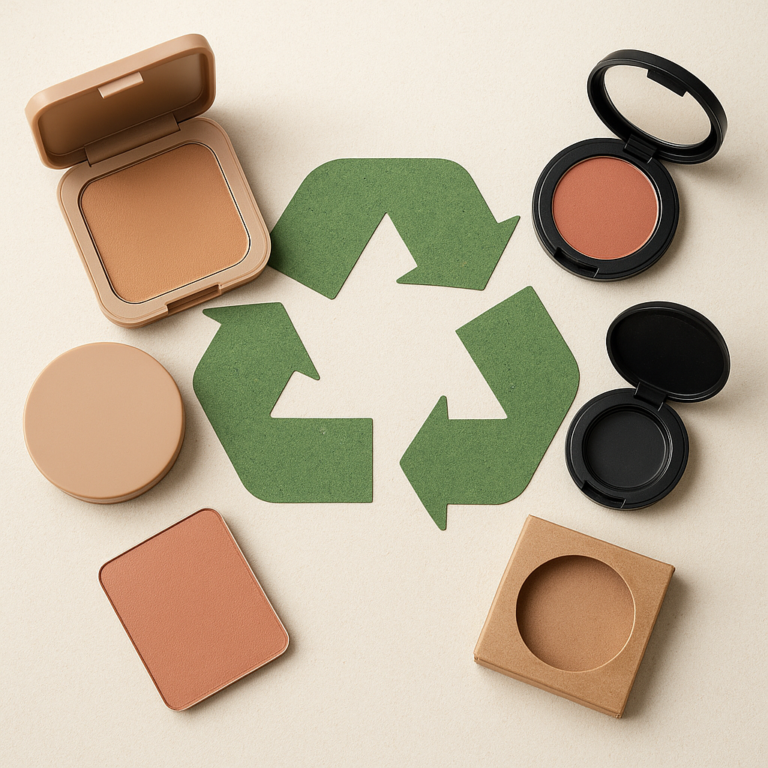
By the 2010s, the conversation shifted from just “clean ingredients” to circular economies. Brands like Kjaer Weis introduced the concept of metal compacts that you refill forever, challenging the “buy, use, toss” model.
Did you know? The first “green” certification for cosmetics, ECOCERT, was established in France in 202, setting the standard for organic beauty that the rest of the world still follows today.
🧐 Decoding the Hype: What “Sustainable” Really Means in Beauty
Let’s be honest: the term “sustainable” has been thrown around so much it’s lost its meaning. As estheticians, we see clients confused by terms like “eco-conscious,” “green,” and “natural.” Here is the real breakdown:
1. Ingredient Sourcing
Sustainable beauty starts in the soil. It means:
- Regenerative Agriculture: Farming that restores soil health rather than depleting it.
- Fair Trade: Ensuring farmers and harvesters are paid fair wages.
- Wild Harvesting: Collecting plants without destroying their natural habitat.
2. Manufacturing
It’s not just about what’s in the bottle, but how it’s made.
- Waterless Formulas: Reducing water usage in production (and shipping weight).
- Renewable Energy: Factories powered by solar or wind.
- Low-Carbon Footprint: Minimizing emissions during production.
3. Packaging
This is where most brands fail. True sustainability means:
- Refillable Systems: Buying the case once, refilling the product.
- Upcycled Materials: Using post-consumer recycled (PCR) plastic or glass.
- Compostable Materials: Packaging that breaks down in a home compost bin.
4. End-of-Life
What happens when you’re done?
- Take-Back Programs: Brands that accept empty containers for recycling.
- Biodegradability: Products that dissolve or break down harmlessly.
The Big Question: Can a product be sustainable if it’s shipped from halfway across the world? We’ll tackle the carbon footprint of shipping in a later section!
🚫 Greenwashing 101: How to Spot Fake Eco-Friendly Claims
Ah, the art of greenwashing. It’s the cosmetic industry’s favorite magic trick. One minute a brand is “saving the planet,” the next you find out their “eco-packaging” is a thin layer of bioplastic that never actually decomposes.
The Red Flags 🚩
As makeup artists, we’ve learned to spot these lies from a mile away:
| Claim | The Reality | What to Look For Instead |
|---|---|---|
| “Natural” | Could contain 1% natural ingredients and 9% synthetics. | Certified Organic (e.g., USDA, COSMOS). |
| “Eco-Friendly” | Vague, unregulated, and often meaningless. | Third-party certifications (B Corp, Leaping Bunny). |
| “Recyclable” | Only recyclable in specific facilities, not curbside. | “Recycled Content” or Take-Back Programs. |
| “Non-Toxic” | “Toxic” isn’t legally defined; it’s fear-mongering. | EWG Verified or Made Safe Certified. |
| “Plant-Based” | Often contains palm oil (linked to deforestation). | RSPO Certified or Palm Oil-Free. |
The “Vegan” Trap
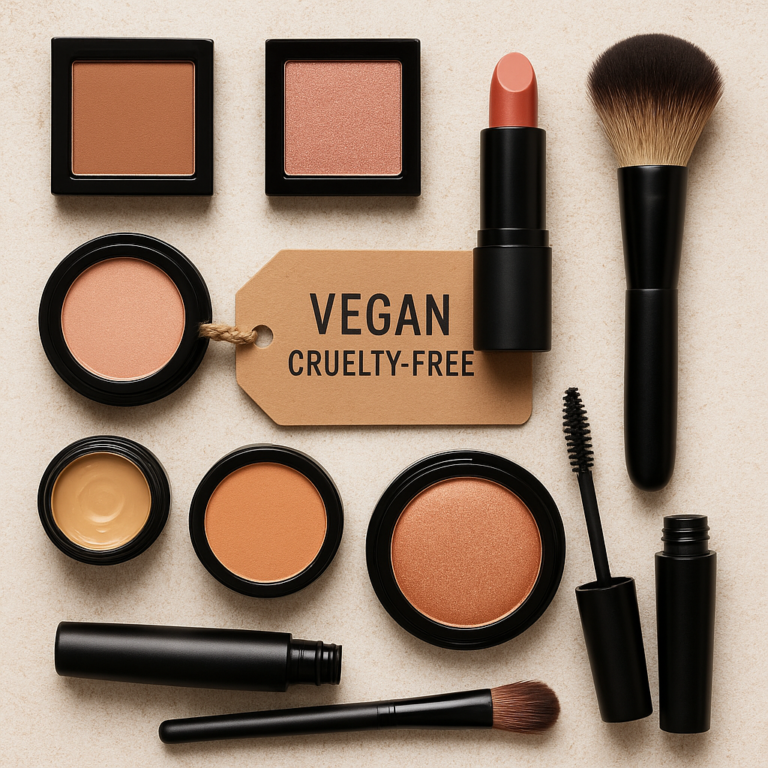
Just because a product is vegan doesn’t mean it’s sustainable. Many vegan products use synthetic plastics and harsh preservatives. Conversely, some cruelty-free brands use beeswax (which is animal-derived but ethically sourced).
Insider Secret: We once tested a “zero-waste” lipstick that came in a cardboard tube. The cardboard was coated in a plastic film to make it water-resistant. It looked great, but it could not be recycled. Always check the fine print!
For more on how to navigate the industry, read our article on the Cosmetics Industry.
🏆 The Ultimate List: Top Sustainable Cosmetic Brands You Need to Know
Okay, you’ve got theory. Now, let’s talk product. We’ve tested hundreds of brands, and these are the ones that actually walk the walk. We’ve rated them on a 1-10 scale based on Design, Functionality, Sustainability, and Value.
1. RMS Beauty: The Raw, Unrefined Revolution
RMS Beauty changed the game by proving that “raw” ingredients could look high-fashion. Their “Living Luminizer” is a cult classic for a reason.
| Aspect | Rating (1-10) | Notes |
|---|---|---|
| Design | 9 | Minimalist, glass jars, elegant. |
| Functionality | 8 | Blends beautifully, but requires a bit of warmth to melt. |
| Sustainability | 9 | Organic ingredients, recyclable glass, minimal plastic. |
| Value | 7 | High price point, but a little goes a long way. |
Why we love it: Founder Rose-Marie Swift created this line after suffering from health issues due toxic makeup. The result? Living Luminizer and Un Cover-Up that make your skin look like skin, not a mask.
The Drawback: The packaging can be tricky to clean, and the products have a shorter shelf life due to the lack of synthetic preservatives.
👉 Shop RMS Beauty on:
- Amazon: RMS Beauty Products
- Brand Official: RMS Beauty
2. Kjaer Weis: Luxury That Lasts a Lifetime
If you think sustainable makeup can’t be luxurious, Kjaer Weis will change your mind. Their metal compacts are heirloom quality.
| Aspect | Rating (1-10) | Notes |
|---|---|---|
| Design | 10 | Heavy, magnetic, beautiful metal cases. |
| Functionality | 9 | Creamy, pigmented, blends like a dream. |
| Sustainability | 10 | Refillable system, organic ingredients, minimal waste. |
| Value | 8 | Expensive upfront, but the case lasts forever. |
Why we love it: The Refillable Cream Blush is a game-changer. You buy the metal case once, and then just buy the refills. It’s the ultimate circular economy in action.
The Drawback: The price tag is steep, and the refills can be hard to find in physical stores.
👉 Shop Kjaer Weis on:
- Amazon: Kjaer Weis Refills
- Brand Official: Kjaer Weis
3. Ilia Beauty: Clean Color with a Conscience
Ilia bridges the gap between clean beauty and high-performance makeup. Their Super Serum Skin Tint is a favorite among our team for its skincare benefits.
| Aspect | Rating (1-10) | Notes |
|---|---|---|
| Design | 9 | Slek, modern, recyclable packaging. |
| Functionality | 10 | Skincare-makeup hybrid, great coverage. |
| Sustainability | 9 | FSC-certified paper, PCR plastic, carbon neutral. |
| Value | 8 | Mid-to-high range, but worth it for the formula. |
Why we love it: They use upcycled ingredients (like coffee grounds and fruit seeds) and have a robust refill program for their mascara and lip products.
The Drawback: Some shades can oxidize slightly, so it’s best to test in-store order samples.
👉 Shop Ilia on:
- Amazon: Ilia Beauty
- Brand Official: Ilia Beauty
4. Axiology: Zero-Waste Lipstick Magic
Axiology is the king of plastic-free makeup. Their “Balmies” are 10% plastic-free, vegan, and come in a paper tube.
| Aspect | Rating (1-10) | Notes |
|---|---|---|
| Design | 10 | 10% plastic-free, paper tube, compostable. |
| Functionality | 9 | Multi-use (lips, cheeks, eyes), creamy. |
| Sustainability | 10 | Zero waste, vegan, cruelty-free. |
| Value | 9 | Affordable for the quality and ethics. |
Why we love it: You can use them on your lips, cheeks, and eyelids. It’s the ultimate travel-friendly product. Plus, the packaging is compostable!
The Drawback: The color payoff can be sheer, so it’s not for those who want bold, opaque color.
👉 Shop Axiology on:
- Amazon: Axiology Balmies
- Brand Official: Axiology
5. Biosance: Plant-Based Skincare Powerhouse
Biosance focuses on bio-identical ingredients that mimic the skin’s natural structure. Their Squalane products are legendary.
| Aspect | Rating (1-10) | Notes |
|---|---|---|
| Design | 8 | Simple, functional, glass bottles. |
| Functionality | 10 | Deeply hydrating, repairs skin barrier. |
| Sustainability | 9 | Plant-based, recyclable, ethical sourcing. |
| Value | 8 | High concentration, lasts a long time. |
Why we love it: Their Squalane Oil is a staple in our kit. It’s lightweight, non-comedogenic, and works for all skin types.
The Drawback: Limited color cosmetics; mostly focused on skincare.
👉 Shop Biosance on:
- Brand Official: Biosance
6. Youth To The People: Superfood Skincare for the Planet
Known for their Kale + Spinach cleanser, YTT P is all about superfood ingredients and recyclable glass packaging.
| Aspect | Rating (1-10) | Notes |
|---|---|---|
| Design | 9 | Modern, glass bottles, minimalist. |
| Functionality | 9 | Effective cleansers, serums, and moisturizers. |
| Sustainability | 9 | 10% recyclable glass, vegan, cruelty-free. |
| Value | 7 | Premium pricing, but high quality. |
Why we love it: Their Superfood Cleanser is a staple for removing makeup without stripping the skin.
The Drawback: The scent can be strong for those sensitive to essential oils.
👉 Shop Youth To The People on:
- Amazon: Youth To The People
- Brand Official: Youth To The People
7. Herbivore Botanicals: Aesthetic and Ethical
Herbivore is famous for its Instagram-worthy packaging and natural ingredients. Their Pink Cloud moisturizer is a fan favorite.
| Aspect | Rating (1-10) | Notes |
|---|---|---|
| Design | 10 | Beautiful, pastel, aesthetic. |
| Functionality | 8 | Good for dry skin, but can be heavy for oily skin. |
| Sustainability | 8 | Recyclable glass, vegan, cruelty-free. |
| Value | 7 | High price point for the amount of product. |
Why we love it: Their Blue Tansy mask is a lifesaver for calming redness.
The Drawback: Some products contain essential oils that can irritate sensitive skin.
👉 Shop Herbivore on:
- Amazon: Herbivore Botanicals
- Brand Official: Herbivore
8. Tata Harper: Farm-to-Face Luxury
Tata Harper grows her own ingredients on her farm in Vermont. It’s the definition of farm-to-face.
| Aspect | Rating (1-10) | Notes |
|---|---|---|
| Design | 9 | Luxurious, glass, elegant. |
| Functionality | 10 | High-performance, visible results. |
| Sustainability | 10 | Regenerative farming, zero waste, carbon neutral. |
| Value | 6 | Very expensive, but a true luxury experience. |
Why we love it: The Resurfacing Mask is a cult classic for exfoliation.
The Drawback: The price is prohibitive for many, and the scents are strong.
👉 Shop Tata Harper on:
- Amazon: Tata Harper
- Brand Official: Tata Harper
9. Elate Cosmetics: Refillable Brilliance
Elate is a B Corp certified brand that focuses on bamboo packaging and refillable systems.
| Aspect | Rating (1-10) | Notes |
|---|---|---|
| Design | 9 | Bamboo, minimalist, eco-friendly. |
| Functionality | 8 | Good pigmentation, easy to use. |
| Sustainability | 10 | 10% plastic-free, compostable, refillable. |
| Value | 9 | Affordable for the quality and ethics. |
Why we love it: Their Creme Eye Color comes in a bamboo compact that you can refill forever.
The Drawback: The bamboo can get a bit sticky in humid climates.
👉 Shop Elate on:
- Amazon: Elate Cosmetics
- Brand Official: Elate Cosmetics
10. Kjaer Weis vs. RMS: The Battle of the Clean Giants
We’ve tested both, and here’s the verdict:
- Kjaer Weis wins on longevity and luxury. If you want a product that lasts and looks expensive, go Kjaer.
- RMS Beauty wins on natural finish and skin health. If you want your skin to look like skin and you don’t mind a bit of a learning curve, go RMS.
Wait, what about the video? You might be wondering, “But what does a real person think?” Check out the featured video above where a creator shares her sustainable routine, including her love for Axiology and Elate!
🌍 Beyond the Bottle: Packaging, Shipping, and Carbon Footprints
We’ve talked about ingredients and formulas, but what about the journey? A product can be organic, but if it’s shipped from Europe to the US in a plastic bubble mailer, is it really sustainable?
The Shipping Problem
The carbon footprint of global shipping is massive. Brands like Kjaer Weis and Elate are trying to mitigate this by:
- Local Sourcing: Using ingredients from nearby farms.
- Carbon Neutral Shipping: Offsetting emissions through tree planting.
- Minimal Packaging: Reducing the size and weight of shipments.
The Plastic Problem
Even “recyclable” plastic is a problem. Only 9% of plastic is actually recycled. That’s why brands like Axiology and Elate are going plastic-free entirely.
The Water Problem
Water is a precious resource. Brands like Youth To The People and Herbivore are using waterless formulas to reduce their water usage.
The Big Question: Can we really have a sustainable beauty routine in a world of global trade? We’ll explore this in the “Future of Beauty” section!
🧪 Ingredient Deep Dive: The Good, The Bad, and The Bio-Identical
Let’s get nerdy for a second. As estheticians, we know that ingredients are everything. But not all “natural” ingredients are created equal.
The Good: Bio-Identical and Regenerative
- Squalane: Derived from olives or sugarcane, it mimics the skin’s natural oils.
- Hyaluronic Acid: Now often fermented from plants, it’s a hydration powerhouse.
- Ceramides: Essential for the skin barrier, often derived from plants.
The Bad: The “Natural” Traps
- Palm Oil: A common ingredient that drives deforestation. Look for RSPO Certified or Palm Oil-Free.
- Essential Oils: Can be irritating and allergenic. Use with caution.
- Clay: While natural, mining clay can be destructive. Look for ethically sourced clay.
The Ugly: The “Clean” Myth
- “Chemical-Free”: Everything is a chemical. Water is a chemical. This term is a marketing lie.
- “Toxic”: Toxicity is about dose. Even water can be toxic in large amounts.
Pro Tip: Always check the INCI list (International Nomenclature of Cosmetic Ingredients). It’s the only way to know what’s really in your product.
💸 Is Eco-Friendly Makeup Worth the Splurge? A Cost-Benefit Analysis
Let’s talk money. Sustainable makeup is often more expensive upfront. But is it worth it?
The Upfront Cost
- Sustainable: $30-$50 per product.
- Conventional: $10-$20 per product.
The Long-Term Value
- Refillable Systems: You buy the case once, then just the refills. Over 5 years, this can save you 30-50%.
- Concentrated Formulas: A little goes a long way. A $40 serum might last 6 months, while a $20 serum lasts 2 months.
- Skin Health: Better ingredients mean fewer skin issues, which means fewer trips to the dermatologist.
The Verdict
If you’re on a budget, start with one sustainable product (like a lipstick or a cleanser) and build from there. But if you can afford it, the long-term value is undeniable.
Did you know? A study by Nielsen found that 73% of consumers are willing to pay more for sustainable products.
🛠️ How to Build Your Own Sustainable Beauty Routine from Scratch
Ready to go green? Here’s our step-by-step guide to building a sustainable routine without breaking the bank.
Step 1: Audit Your Current Routine
- Check your products for harmful ingredients.
- Look at the packaging. Is it recyclable?
- Check the brand’s ethics. Are they cruelty-free?
Step 2: Replace One Product at a Time
- Start with your cleanser or lipstick.
- Don’t throw away your old products; use them up first.
Step 3: Choose Refillable Options
- Look for brands like Kjaer Weis, Elate, or Ilia.
- Invest in a metal compact or glass bottle.
Step 4: Embrace Multi-Use Products
- Use a lip and cheek tint.
- Use a balm for lips, eyes, and cheeks.
Step 5: Recycle and Compost
- Check your local recycling rules.
- Compost your paper packaging and bamboo products.
Pro Tip: Join a take-back program like Terracycle for hard-to-recycle items.
🔮 The Future of Beauty: Biotech, Upcycling, and Regenerative Agriculture
The future of beauty is bright, green, and innovative. Here’s what’s coming next:
Biotech Beauty
- Lab-Grown Ingredients: Creating ingredients like squalane and hyaluronic acid in a lab, without harming the environment.
- Synthetic Biology: Using bacteria to produce fragrances and preservatives.
Upcycling
- Food Waste: Using coffee grounds, fruit seeds, and vegetable pels in skincare.
- Packaging: Turning plastic waste into makeup brushes and compacts.
Regenerative Agriculture
- Soil Health: Farming that restores the soil, rather than depleting it.
- Biodiversity: Supporting a wide range of plant and animal life.
The Big Question: Will biotech beauty ever replace natural ingredients? We’ll explore this in the conclusion!
🏁 Conclusion

So, there you have it. The world of sustainable cosmetics is vast, complex, and full of both promise and pitfalls. From the raw, unrefined beauty of RMS to the luxurious, refillable systems of Kjaer Weis, there’s a brand for every budget and every skin type.
We’ve debunked the myths, exposed the greenwashing, and highlighted the brands that are truly making a difference. But the most important takeaway? Sustainability is a journey, not a destination.
You don’t have to switch everything overnight. Start small. Replace one product. Learn to read labels. Support brands that align with your values. And remember, the best sustainable product is the one you already own.
Final Thought: As we saw in the featured video, even a “non-professional” can create a beautiful, sustainable routine. It’s not about perfection; it’s about progress.
🔗 Recommended Links
Ready to start your sustainable journey? Here are our top picks for shopping:
- RMS Beauty: Amazon | Brand Official
- Kjaer Weis: Amazon | Brand Official
- Ilia Beauty: Amazon | Brand Official
- Axiology: Amazon | Brand Official
- Elate Cosmetics: Amazon | Brand Official
Books to Read:
❓ FAQ: Your Burning Questions About Green Beauty Answered

What are the most affordable sustainable cosmetic brands?
If you’re on a budget, don’t worry! Brands like Twinkle Apothecary, Zerra and Co, and Plastic Free Pursuit offer sustainable options starting as low as $2-$5. Elate Cosmetics and Axiology also have affordable refillable options.
Read more about “🌟 25 Best Premium Makeup Products That Actually Deliver (2026)”
How can I verify if a cosmetic brand is truly sustainable?
Look for third-party certifications like Leaping Bunny, B Corp, EWG Verified, and COSMOS. Check the brand’s website for transparency reports and sustainability goals. Avoid vague terms like “eco-friendly” without proof.
Read more about “🌍 Top 15 Cosmetic Brands in the World Dominating 2026”
Which sustainable cosmetic brands are certified cruelty-free?
Many of the brands we’ve listed are cruelty-free, including RMS Beauty, Kjaer Weis, Ilia, Axiology, and Elate Cosmetics. Look for the Leaping Bunny logo to be sure.
Read more about “🐰 15+ Top Cruelty-Free & Vegan Makeup Brands (2026)”
What ingredients should I avoid in sustainable cosmetics?
Avoid parabens, phthalates, synthetic fragrances, palm oil (unless RSPO certified), and microplastics. Also, be cautious with essential oils if you have sensitive skin.
How do I know if a “natural” ingredient is actually sustainable?
Check the source of the ingredient. Is it ethically harvested? Is it regenerative? Look for certifications like Fair Trade or Organic.
Can I recycle my old makeup products?
It depends on the material. Glass and metal are usually recyclable. Plastic is trickier. Check your local recycling rules or use a take-back program like Terracycle.
Read more about “🏆 Top 10 Luxury Cosmetic Companies: The Ultimate 2026 Guide”
📚 Reference Links
- Federal Trade Commission Green Guides
- Leaping Bunny Certification
- EWG Verified
- B Corp Certification
- COSMOS Organic Standard
- The Good Trade: Natural and Organic Skincare Brands
- Nielsen: Sustainability Report
- Terracycle
- RMS Beauty Official
- Kjaer Weis Official
- Ilia Beauty Official
- Axiology Official
- Elate Cosmetics Official
- Youth To The People Official
- Herbivore Botanicals Official
- Tata Harper Official
- Biosance Official