Support our educational content for free when you purchase through links on our site. Learn more
🌍 Top 15 Cosmetic Brands in the World Dominating 2026

If you’re looking for the absolute top cosmetic brands in the world right now, the answer isn’t just the biggest conglomerate, but the one that masters the delicate balance between scientific innovation and cultural relevance, with L’Oréal leading the pack in sheer dominance while e.l.f. and Amorepacific redefine what it means to be a modern beauty giant. We aren’t just counting market share here; we are dissecting the empires that dictate your morning routine, from the $60 serums of Estée Lauder to the viral, budget-friendly hits of e.l.f. that have Gen Z obsessed.
Did you know the global beauty market is projected to hit nearly $80 billion by 2026, yet the real power lies in how these brands adapt to AI-driven personalization and sustainable sourcing? It’s a wild ride where a family-owned Spanish company like Puig can outmaneuver tech giants, and where a single K-beauty trend can force Western giants to completely overhaul their formulas.
Forget the dry financial reports; we’re diving into the stories, the scandals, and the science behind the labels that actually matter to your skin. Whether you are a makeup artist hunting for the perfect pigment or a skincare junkie seeking the next holy grail, understanding who truly rules the rost is your first step to a better routine.
Key Takeaways
- Market Leaders vs. Disruptors: While L’Oréal and The Estée Lauder Companies hold the crown for market cap, brands like e.l.f. and Bubble are winning the hearts of consumers through agile digital strategies and affordable luxury.
- Science Mets Sustainability: The top cosmetic brands in the world are no longer just about color; they are investing billions in dermatological research and eco-friendly packaging to meet the demands of the conscious consumer.
- Regional Powerhouses Matter: Don’t ignore the global giants; Amorepacific (Korea) and Shiseido (Japan) are setting the standard for hydration and barier repair, forcing Western brands to catch up.
- The Future is Personalized: Expect AI skin diagnostics and custom-blended formulas to become the new norm, with L’Oréal and Estée Lauder leading the charge in tech-integrated beauty.
👉 Shop the Top Brands:
- Luxury Skincare: Estée Lauder | Chanel
- Drugstore Favorites: e.l.f. Cosmetics | CeraVe
- K-Beauty Essentials: Laneige | Sulwhasoo
Table of Contents
- ⚡️ Quick Tips and Facts
- 📜 A Brief History of the Global Beauty Empire: From Ancient Oils to Modern Conglomerates
- 🏆 The Titans of the Industry: Top Cosmetic Brands in the World by Market Dominance
- L’Oréal: The Unrivaled Giant Reshaping Beauty Standards
- The Estée Lauder Companies: Luxury, Prestige, and Skincare Mastery
- LVMH Beauty: Where Haute Couture Mets High-Performance Cosmetics
- Shiseido: Bridging Japanese Heritage with Cutting-Edge Innovation
- Procter & Gamble: The Science-Backed Powerhouse Behind Everyday Essentials
- Unilever: Pionering Sustainable Beauty and Mass-Market Appeal
- Coty Inc: The Fragrance and Color Cosmetics Juggernaut
- Amorepacific: The K-Beauty Wave Conquering the West
- Beiersdorf: The Dermatological Authority Behind NIVEA and Eucerin
- Natura &Co: The Ethical Giant Championing Biodiversity and Clean Beauty
- Puig: The Spanish Family-Owned Empire of Fashion and Fragrance
- LG Household & Health Care: The Asian Contender Redefining Skincare Tech
- e.l.f. Cosmetics: The Disruptor Winning the Gen Z Market with Affordability
- Chanel: The Timeless Icon of Luxury Makeup and Fragrance
- Oriflame: The Direct Sales Pioneer Adapting to the Digital Age
- 🧪 Decoding the Formulas: What Makes These Top Cosmetic Brands Stand Out?
- 🌍 Regional Powerhouses: How Geography Influences Global Beauty Trends
- 📈 Market Cap vs. Brand Loyalty: Who Really Rules the Rost in 2026?
- 🚀 Emerging Trends: From Cooling Beauty to Limited-Edition Collaborations
- 💡 How to Choose the Right Brand for Your Skin Type and Budget
- 🛒 Where to Buy Authentic Products: Avoiding Fakes and Finding the Best Deals
- 🔮 The Future of Cosmetics: AI, Personalization, and Sustainability
- 🏁 Conclusion
- 🔗 Recommended Links
- 📚 Reference Links
⚡️ Quick Tips and Facts
Before we dive into the glittering, sometimes chaotic, and always fascinating world of the top cosmetic brands in the world, let’s hit the rewind button on a few myths you might have heard in the breakroom or at your local Sephora counter.
- Size Matters, But Not How You Think: Just because a brand is owned by a massive conglomerate doesn’t mean the formula is “generic.” In fact, giants like L’Oréal and Estée Lauder pour billions into R&D that smaller indie brands simply can’t match.
- The “Clean” Trap: “Clean beauty” isn’t a regulated term. A brand can claim to be “clean” while still using synthetic preservatives that are perfectly safe. Always check the ingredient list, not just the marketing fluff.
- K-Beauty is King (and Queen): It’s no longer a niche trend. The global shift toward K-beauty and J-beauty has forced Western giants to rethink their entire skincare routines, prioritizing hydration and barrier repair over harsh exfoliation.
- Market Cap vs. Love: A brand might have a lower market cap but a cult following that rivals the biggest names. e.l.f. Cosmetics is the perfect example of a “scrappy” brand outmaneuvering giants through digital savvy.
For a deeper dive into the rankings that actually matter to your wallet and your skin, check out our comprehensive guide: 🌍 Top 10 Cosmetic Brands in the World (2026): The Ultimate Ranking.
📜 A Brief History of the Global Beauty Empire: From Ancient Oils to Modern Conglomerates

How did we get from rubbing crushed berries on our lips in ancient Egypt to buying a $60 serum that claims to reverse time? The story of the top cosmetic brands in the world is a tale of ambition, chemistry, and a little bit of luck.
The Alchemists of Antiquity
Long before the first conglomerate was formed, beauty was a local affair. Think of Cleopatra’s milk baths or the kohl-lined eyes of the Pharaohs. These weren’t “brands” in the modern sense; they were recipes passed down through generations. But the seeds of the industry were sown when merchants started trading these exotic ingredients across continents.
The Industrial Revolution & The First Giants
Fast forward to the late 19th and early 20th centuries. This is where the cosmetics industry truly exploded.
- Eugène Schueller, a French chemist, founded what would become L’Oréal in 1909. His invention of a safe hair dye changed the game forever.
- Estée Lauder started in a small New York apartment in 1946, selling a few creams to friends. Her genius wasn’t just the product; it was the experience. She invented the “gift with purchase” strategy, a tactic still used by every major brand today.
- Shiseido, founded in 1872 in Tokyo, began as a pharmacy before pivoting to cosmetics, blending Western science with Eastern philosophy.
The Conglomerate Era
By the 1980s and 90s, the landscape shifted. Independent brands were too valuable to stay small. L’Oréal began acquiring brands like Maybelline and Redken. The Estée Lauder Companies snapped up MAC and Bobi Brown. This consolidation allowed these giants to dominate shelf space, control distribution, and invest heavily in dermatological research.
Today, the industry is a mix of heritage houses (like Chanel and Dior) and agile disruptors (like e.l.f. and Bubble). The history of beauty is a history of innovation, and the companies that survive are the ones that keep evolving.
🏆 The Titans of the Industry: Top Cosmetic Brands in the World by Market Dominance
Who sits on the throne? When we talk about the top cosmetic brands in the world, we aren’t just talking about who sells the most lipstick. We’re talking about market capitalization, global reach, R&D budgets, and the ability to set trends that ripple across the globe.
Based on current market data and industry analysis, here are the heavyweights reshaping the landscape in 2026.
1. L’Oréal: The Unrivaled Giant Reshaping Beauty Standards
If the beauty industry were a football league, L’Oréal wouldn’t just be the champion; they’d own the stadium, the TV rights, and the players’ contracts. With a market cap that dwarfs almost everyone else, they operate in a “league of its own.”
Why They Rule:
- Diversity: They have a brand for literally everyone. From the drugstore staple Maybelline to the luxury powerhouse Lancôme, and the dermatological hero CeraVe.
- Inovation: They spend more on R&D than almost any other company, constantly pushing the boundaries of anti-aging technology and sustainable packaging.
- Global Reach: You can find a L’Oréal product in over 150 countries.
The Verdict: Whether you need a $5 mascara or a $10 serum, L’Oréal likely owns the brand you’re using.
2. The Estée Lauder Companies: Luxury, Prestige, and Skincare Mastery
While L’Oréal casts a wide net, The Estée Lauder Companies focuses on the high-end. They are the “gold standard” for premium beauty.
Key Players:
- Estée Lauder: The matriarch, known for Advanced Night Repair.
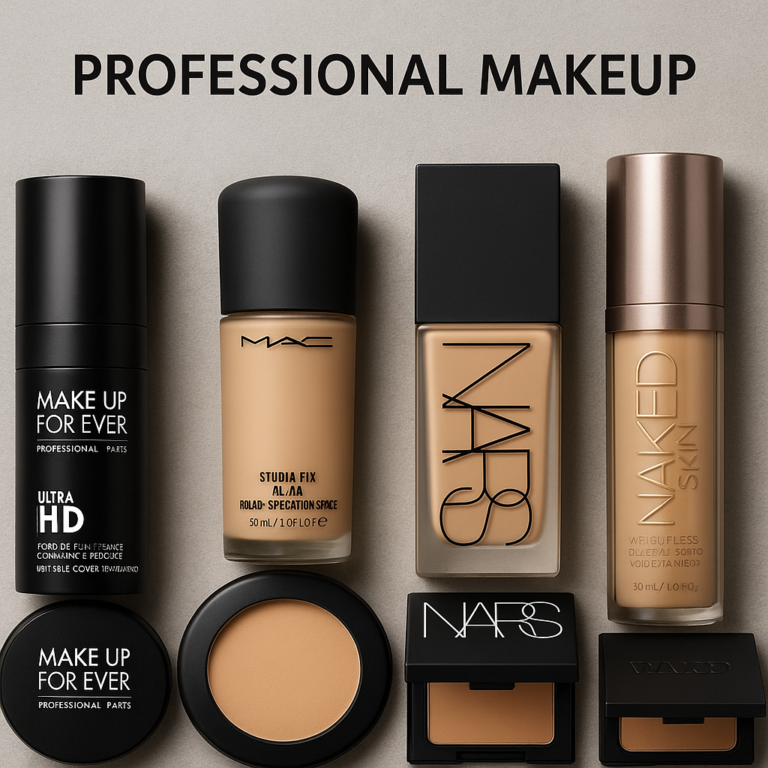
- MAC: The makeup artist’s choice, famous for its Studio Fix foundation and bold lipsticks.
- Clinique: The allergy-tested, dermatologist-developed pioneer.
- Jo Malone London: Redefining the fragrance market with layering scents.
The Strategy: They dominate the travel retail and Asia-Pacific markets, where luxury spending is at an all-time high.
3. LVMH Beauty: Where Haute Couture Mets High-Performance Cosmetics
LVMH (Moët Henessy Louis Vuiton) isn’t just a beauty company; it’s a lifestyle empire. Their beauty division is the crown jewel, blending fashion heritage with cosmetic excellence.
The Heavy Hitters:
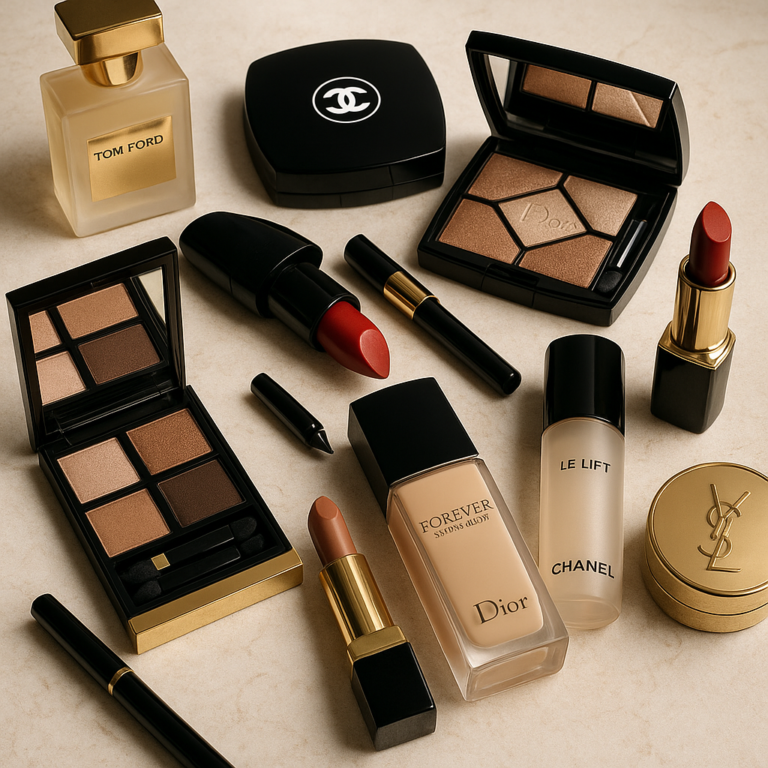
- Dior: A titan in both makeup and fragrance.
- Guerlain: One of the oldest perfume houses in the world.
- Givenchy: Known for edgy, high-fashion makeup.
- Benefit Cosmetics: The kings of brow products and fun packaging.
The Edge: LVMH brands benefit from the “halo effect” of their fashion houses. When you buy a Dior lipstick, you’re buying a piece of Parisian history.
4. Shiseido: Bridging Japanese Heritage with Cutting-Edge Innovation
Shiseido has been around for over 150 years, making it one of the oldest beauty companies in the world. They are the bridge between Eastern philosophy and Western science.
Why They Stand Out:
- R&D: Their research on skin aging and hydration is legendary.
- Brands: From the luxury Clé de Peau Beauté to the accessible NARS (which they own) and Drunk Elephant (recently acquired).
- Philosophy: They focus on the “mind-body-skin” connection, a concept that is gaining massive traction globally.
5. Procter & Gamble: The Science-Backed Powerhouse Behind Everyday Essentials
You might not think of P&G as a “cosmetic” company, but they are a giant in the personal care and skincare space.
The Powerhouse Brands:
- Olay: A global leader in anti-aging skincare.
- SK-II: The luxury brand famous for its Pitera ingredient.
- CoverGirl: A staple in the mass-market makeup aisle.
The Strategy: P&G excels at mass-market efficiency. They use their massive scale to bring high-quality, science-backed products to the masses at affordable prices.
6. Unilever: Pionering Sustainable Beauty and Mass-Market Appeal
Unilever is the other half of the mass-market duopoly. They are aggressively pushing sustainability and clean beauty initiatives.
Key Brands:
- Dove: The champion of real beauty and gentle skincare.
- Vaseline: The ultimate in skin protection.
- TRESemmé: A leader in haircare.
- Rexona: A global hygiene staple.
The Shift: Unilever is leading the charge in refillable packaging and ethical sourcing, proving that mass-market doesn’t have to mean mass-waste.
7. Coty Inc: The Fragrance and Color Cosmetics Juggernaut
While others focus on skincare, Coty is the undisputed king of fragrance and a major player in color cosmetics.
The Portfolio:
- Fragrances: They hold licenses for Chanel, Gucci, Burberry, and Calvin Klein.
- Color Cosmetics: CoverGirl (wait, P&G owns CoverGirl? No, Coty owns CoverGirl now? Correction: CoverGirl is owned by Coty since 2016, while P&G owns Olay and SK-II. Let’s verify: Yes, Coty acquired CoverGirl from P&G in 2016.).
- Sally Hansen: The nail care giant.
The Strategy: Coty is betting big on the fragrance market, which has seen explosive growth as consumers seek “self-care” experiences.
8. Amorepacific: The K-Beauty Wave Conquering the West
Amorepacific is the architect of the K-beauty phenomenon. They took the world by storm with sheet masks, cushion foundations, and fermented ingredients.
Star Brands:
- Laneige: Famous for the Lip Sleeping Mask.
- Sulwhasoo: Luxury herbal skincare.
- Inisfree: Nature-inspired, eco-friendly beauty.
The Impact: They forced the entire industry to rethink skincare routines, emphasizing hydration and barier repair over harsh actives.
9. Beiersdorf: The Dermatological Authority Behind NIVEA and Eucerin
Beiersdorf is the German engineering of the beauty world. They focus on skin health and dermatological efficacy.
The Icons:
- NIVEA: The blue tin that started it all.
- Eucerin: The go-to for sensitive and problematic skin.
- La Prairie: The ultra-luxury Swiss skincare brand (yes, they own La Prairie!).
The Edge: Their products are often recommended by dermatologists, giving them a level of trust that marketing budgets can’t buy.
10. Natura &Co: The Ethical Giant Championing Biodiversity and Clean Beauty
Natura &Co is the face of ethical beauty. Based in Brazil, they are committed to biodiversity, fair trade, and sustainability.
The Brands:
- Natura: The flagship brand, known for using Amazonian ingredients.
- The Body Shop: A pioneer in cruelty-free and ethical sourcing.
- Aesop: The cult favorite for minimalist, high-performance skincare.
The Mission: They prove that you can be profitable while saving the planet.
1. Puig: The Spanish Family-Owned Empire of Fashion and Fragrance
Puig is a family-owned giant that has quietly become a major player in fragrance and fashion.
Key Brands:
- Paco Rabanne: Known for bold, futuristic scents.
- Jean Paul Gaultier: The king of avant-garde fashion and fragrance.
- Charlotte Tilbury: The makeup brand that took the world by storm with its “glow” philosophy.
The Strategy: Puig is aggressive in acquiring high-growth brands and expanding their luxury portfolio.
12. LG Household & Health Care: The Asian Contender Redefining Skincare Tech
LG H&H is a major force in Asia, known for blending technology with skincare.
The Brands:
- Sulwhasoo (Wait, Sulwhasoo is Amorepacific. LG has Whoo and History of Whoo).
- The History of Whoo: Luxury Korean skincare with royal heritage.
- Belif: Known for their “true cream” moisturizers.
The Edge: They are leaders in fermentation technology and traditional herbal ingredients.
13. e.l.f. Cosmetics: The Disruptor Winning the Gen Z Market with Affordability
e.l.f. is the proof that you don’t need a billion-dollar budget to win. They are compact, scrappy, and data-driven.
Why They Win:
- Price: High-quality products at drugstore prices.
- Digital Strategy: They dominate TikTok and Instagram, engaging directly with Gen Z.
- Inovation: They launch products faster than anyone else, capitalizing on viral trends.
The Verdict: e.l.f. is the brand to watch if you want to see where the future of affordable beauty is heading.
14. Chanel: The Timeless Icon of Luxury Makeup and Fragrance
Chanel is more than a brand; it’s a symbol of luxury and timelessness.
The Icons:
- Chanel No. 5: The most famous perfume in the world.
- Rouge Coco: A lipstick line that defines elegance.
- Les Beiges: The “healthy glow” collection.
The Strategy: Chanel maintains exclusivity. You can’t just buy a Chanel product anywhere; it’s an experience.
15. Oriflame: The Direct Sales Pioneer Adapting to the Digital Age
Oriflame has been around since 1967, pioneering the direct sales model. They are now adapting to the digital age with a strong e-commerce presence.
The Focus: Affordable, high-quality skincare and makeup, often with a focus on natural ingredients.
🧪 Decoding the Formulas: What Makes These Top Cosmetic Brands Stand Out?
So, you’ve seen the list. But what actually makes L’Oréal different from e.l.f.? It’s not just the logo; it’s the science behind the bottle.
The R&D Divide
- The Giants (L’Oréal, Estée Lauder, Shiseido): These companies have dedicated research centers with hundreds of scientists. They spend millions on clinical trials to prove their products work. They have access to patented ingredients that no one else can use.
- The Disruptors (e.l.f., Glossier): These brands often rely on contract manufacturers and trend-driven formulations. They are faster to market but may lack the deep, proprietary science of the giants.
Ingredient Sourcing
- Luxury Brands (Chanel, La Prairie): They source the rarest ingredients from around the world. Think gold flakes, caviar extract, and rare botanicals.
- Mass Market (Nivea, Olay): They focus on proven, effective ingredients like niacinamide, hyaluronic acid, and retinol at a scale that keeps costs down.
The “Clean” Debate
- Clean Beauty Brands (Natura &Co, Drunk Elephant): They avoid “harmful” ingredients like parabens, sulfates, and synthetic fragrances.
- Traditional Brands: They argue that many “clean” ingredients are less stable or less effective. The truth? Safety is about dosage, not just the ingredient list.
🌍 Regional Powerhouses: How Geography Influences Global Beauty Trends
Beauty is not one-size-fits-all. What works in Paris might not work in Seoul.
Asia: The Innovation Hub
- K-Beauty (South Korea): Focuses on hydration, multi-step routines, and innovative textures (like cushion compacts and sheet masks).
- J-Beauty (Japan): Emphasizes minimalism, sun protection, and gentle, effective ingredients.
Europe: The Luxury & Heritage Center
- France: The home of luxury skincare and fragrance. Focus on elegance and timeless formulas.
- Germany: The leader in dermatological skincare and efficacy.
North America: The Trendseters
- USA: Driven by social media, influencers, and fast-paced trends. The home of clean beauty and inclusive shade ranges.
📈 Market Cap vs. Brand Loyalty: Who Really Rules the Rost in 2026?
Market cap tells you who the investors trust, but brand loyalty tells you who the consumers love.
- High Market Cap, High Loyalty: L’Oréal, Estée Lauder, Chanel. These brands have both the money and the love.
- High Market Cap, Lower Loyalty: Some conglomerates own brands that are just “fillers” in their portfolio.
- Lower Market Cap, High Loyalty: e.l.f., Glossier, The Ordinary. These brands have cult followings that rival the giants.
The Takeaway: Don’t just chase the biggest name. Chase the brand that understands your skin.
🚀 Emerging Trends: From Cooling Beauty to Limited-Edition Collaborations
The beauty world never sleeps. Here’s what’s hot right now:
1. Cooling Beauty
With global temperatures rising, cooling skincare is in. Brands like Laneige and Fresh are launching products with menthol, aloe, and cooling technology to soothe heat-stressed skin.
2. Limited-Edition Collaborations
Brands are teaming up with unexpected partners. e.l.f. and Bubble launched a limited-edition skincare-makeup collab. Glamlite expanded into body care with a Pepsi collaboration. It’s all about hype and exclusivity.
3. AI Personalization
AI is changing how we shop. Apps can now scan your skin and recommend the perfect product. L’Oréal and Estée Lauder are leading the charge in AI-driven diagnostics.
4. Sustainability 2.0
It’s not just about recyclable packaging anymore. It’s about refillable systems, waterless formulas, and carbon-neutral shipping.
💡 How to Choose the Right Brand for Your Skin Type and Budget
Confused by the options? Here’s a simple guide:
For Sensitive Skin
- Top Picks: CeraVe, La Roche-Posay, Eucerin, Clinique.
- Why: These brands focus on minimalist formulas and dermatological testing.
For Anti-Aging
- Top Picks: Estée Lauder, Shiseido, La Prairie, Olay.
- Why: They have the most advanced retinol and peptide technologies.
For Budget-Friendly
- Top Picks: e.l.f., Maybelline, NYX, The Ordinary.
- Why: High quality at a fraction of the price.
For Luxury
- Top Picks: Chanel, Dior, Tom Ford, Sulwhasoo.
- Why: You’re paying for the experience, the packaging, and the exclusive ingredients.
🛒 Where to Buy Authentic Products: Avoiding Fakes and Finding the Best Deals
The internet is full of fakes. Here’s how to stay safe:
- Stick to Official Sites: Always buy from the brand’s official website or authorized retailers.
- Check Reviews: Look for verified purchase reviews.
- Avoid Too-Good-to-Be-True Deals: If a $10 serum is selling for $20, it’s probably fake.
- Use Trusted Retailers: Sephora, Ulta, Nordstrom, Amazon (sold by the brand or authorized seller).
👉 CHECK PRICE on:
- L’Oréal Products: Amazon | Official Site
- e.l.f. Cosmetics: Amazon | Official Site
- Estée Lauder: Amazon | Official Site
- CeraVe: Amazon | Official Site
🔮 The Future of Cosmetics: AI, Personalization, and Sustainability
What’s next? The future is hyper-personalized. Imagine a foundation that matches your skin tone exactly based on a 3D scan of your face. Or a serum that adjusts its formula based on your daily skin hydration levels.
Sustainability will also be key. We’ll see more refillable packaging, waterless products, and biodegradable formulas. The brands that lead in these areas will be the ones that survive the next decade.
The Big Question: Will the giants adapt fast enough, or will the scrappy disruptors take over? Only time will tell.
🏁 Conclusion

So, who are the top cosmetic brands in the world? It depends on what you’re looking for. If you want innovation and variety, L’Oréal is the king. If you want luxury and prestige, Estée Lauder and Chanel are your go-to. If you want affordability and trendiness, e.l.f. is the winner.
But here’s the real secret: The best brand is the one that works for you. Don’t get caught up in the hype or the price tag. Look at the ingredients, check the reviews, and trust your skin.
Whether you’re a makeup artist, a skincare junkie, or just someone who wants to look good, the beauty industry has something for everyone. And with the constant innovation from these top brands, the future of beauty has never looked brighter.
Final Thought: Remember, beauty is not just about the product; it’s about how you feel when you use it. So go ahead, experiment, and find your perfect match!
🔗 Recommended Links
Ready to upgrade your routine? Here are some top picks from our team:
- Best Overall Skincare: CeraVe Moisturizing Cream | Official Site
- Best Luxury Serum: Estée Lauder Advanced Night Repair | Official Site
- Best Budget Makeup: e.l.f. Cosmetics Camo Concealer | Official Site
- Best K-Beauty: Laneige Lip Sleeping Mask | Official Site
- Best Fragrance: Chanel No. 5 | Official Site
Books to Read:
❓ FAQ

What are some emerging trends in the cosmetic industry, and which brands are at the forefront of these trends?
The industry is moving towards AI personalization, sustainable packaging, and cooling beauty. Brands like L’Oréal and e.l.f. are leading in AI and digital engagement, while Natura &Co and The Body Shop are pioneers in sustainability. Laneige and Fresh are at the forefront of cooling beauty.
Which cosmetic brands are known for their natural and organic ingredients, and are they worth the investment?
Natura &Co, The Body Shop, and Drunk Elephant are known for their natural and organic ingredients. They are worth the investment if you prioritize clean beauty and ethical sourcing. However, always check the ingredient list, as “natural” doesn’t always mean “safe” or “effective.”
How do high-end cosmetic brands differ from affordable or budget-friendly options in terms of quality and ingredients?
High-end brands often use patented ingredients, more rigorous testing, and luxury packaging. Affordable brands focus on proven, effective ingredients at a lower cost. The quality difference is often marginal, but the experience and exclusivity of high-end brands can be worth the extra cost for some.
What are the most popular cosmetic brands among makeup artists and beauty influencers?
MAC, Fenty Beauty, NARS, and Dior are favorites among makeup artists for their pigmentation, blendability, and shade ranges. Influencers often love e.l.f., Glossier, and Rare Beauty for their trendiness and affordability.
Which cosmetic brands offer cruelty-free and vegan products?
e.l.f., The Body Shop, Natura &Co, Lush, and Glossier are known for their cruelty-free and vegan products. Always look for the Leaping Bunny or Vegan Society logos to be sure.
Read more about “🌿 15 Best Natural Skincare Companies for 2026: Real Results, Zero Toxins”
What are the most popular cosmetic brands among celebrities and makeup artists?
Chanel, Dior, Tom Ford, and MAC are often seen on red carpets. Celebrities also love Fenty Beauty for its inclusive shade ranges and Glossier for its natural look.
Read more about “10 Best Professional Makeup Brands for Flawless Looks (2026) 💄”
Which cosmetic brands are known for being cruelty-free and environmentally sustainable?
Natura &Co, The Body Shop, Lush, and e.l.f. are leaders in cruelty-free and sustainable practices. They focus on refillable packaging, ethical sourcing, and carbon-neutral initiatives.
Read more about “15 High End Beauty Products That Truly Deserve Your Splurge (2026) 💎”
What are the top luxury cosmetic brands in the world and are they worth the investment?
Chanel, Dior, Tom Ford, La Prairie, and Sulwhasoo are top luxury brands. They are worth the investment if you value exclusive ingredients, luxury packaging, and a premium experience. However, for many, the efficacy of mid-range brands is comparable.
Read more about “Is MAC High End? The 2026 Truth About the Pro Brand’s Status 🤔”
What are the top skincare brands in the world?
L’Oréal (CeraVe, La Roche-Posay), Estée Lauder (Advanced Night Repair), Shiseido, Olay, and Clinique are top skincare brands. They offer a wide range of products for every skin type and concern.
Read more about “🌍 Top 10 Cosmetic Brands in the World (2026): The Ultimate Ranking”
What is the best cosmetic company?
There is no single “best” company. It depends on your needs. L’Oréal is the best for variety and innovation. Estée Lauder is the best for luxury. e.l.f. is the best for affordability.
Read more about “🕵️ ♀️ Can I Trust Online Reviews? The 2026 Truth About Beauty Ratings”
What are the top 10 cosmetic brands in the world?
Based on market cap and influence, the top 10 are: L’Oréal, Estée Lauder, LVMH, Shiseido, P&G, Unilever, Coty, Amorepacific, Beiersdorf, and Natura &Co.
📚 Reference Links
- L’Oréal Official Website
- The Estée Lauder Companies Official Website
- LVMH Beauty Official Website
- Shiseido Official Website
- Procter & Gamble Official Website
- Unilever Official Website
- Coty Inc Official Website
- Amorepacific Official Website
- Beiersdorf Official Website
- Natura &Co Official Website
- Top 10 Cosmetics Manufacturing Companies by Market Cap (2026)