Support our educational content for free when you purchase through links on our site. Learn more
💎 The 25 Most Popular Luxury Cosmetics Companies Dominating 2026

If you want the absolute best in prestige beauty, your wallet should be open to L’Oréal Luxe, LVMH, and Estée Lauder Companies, the three conglomerates that collectively own nearly every major luxury brand you love. While the industry is flooded with “top 10” lists, the reality is that a handful of popular luxury cosmetics companies control the vast majority of the market, driving innovation in everything from anti-aging serums to high-fashion makeup.
We once watched a client spend a small fortune on a “miracle” cream at a department store, only to realize later it was a repackaged version of a drugstore favorite owned by the same parent company. It’s a common trap in the world of prestige beauty, where the packaging often costs more than the formula itself. Yet, when done right, these giants invest billions in R&D, creating breakthroughs like TFC8 technology and biomimetic ingredients that truly transform skin.
Did you know that the global luxury beauty market is projected to hit $130 billion by 2026? That’s a lot of lipstick and serum, but it also means fierce competition for your attention. From the timeless elegance of Chanel to the disruptive energy of Fenty, the landscape is shifting faster than a runway model’s walk.
Key Takeaways
- The Big Three Rule: L’Oréal Luxe, LVMH, and Estée Lauder Companies own the majority of the world’s most popular luxury cosmetics companies, including YSL, Dior, and Tom Ford.
- Inovation vs. Hype: While packaging and marketing drive sales, true value comes from brands investing in clinical research and patented ingredients.
- Clean Luxury is Here: The line between clean beauty and high-end is blurring, with brands like Kjaer Weis proving you don’t need toxins for opulence.
- 👉 Shop Smart: Always verify authenticity and check for authorized retailers to avoid the rampant counterfeit market.
👉 Shop the Top Luxury Brands:
- Skincare Giants: Shop L’Oréal Luxe Brands | Shop LVMH Beauty | Shop Estée Lauder Brands
- Makeup Icons: Shop Charlotte Tilbury | Shop YSL Beauty | Shop Tom Ford
Table of Contents
- ⚡️ Quick Tips and Facts
- 📜 From Apothecary to Aisle: The Evolution of Luxury Cosmetics Giants
- 🏆 The Titans of Tint: Ranking the World’s Most Influential Luxury Beauty Conglomerates
- 1. L’Oréal Luxe: The Global Behemoth Redefining High-End Beauty
- 2. Estée Lauder Companies: Where Prestige Mets Performance
- 3. Shiseido: The Japanese Art of Skincare Sophistication
- 4. LVMH Beauty: The Pinnacle of French Elegance and Innovation
- 5. Puig: The Spanish Powerhouse Reshaping Fragrance and Color
- 6. Coty Inc.: The Fragrance Mogul’s High-End Pivot
- 7. Beiersdorf: The Science-Backed Luxury of Nivea’s Big Brother
- 8. Unilever Prestige: Beyond the Drugstore Aisle
- 9. Amorepacific: K-Beauty’s Crown Jewel Goes Global
- 10. Chanel Beauty: The Timeless Icon of Haute Couture Cosmetics
- 1. Dior Beauty: The House of Fashion’s Makeup Masterpiece
- 12. Tom Ford Beauty: Oud, Lipstick, and Unapologetic Opulence
- 13. Yves Saint Laurent: The Rebel with a Red Lipstick
- 14. Armani Beauty: The Minimalist’s Dream of Italian Chic
- 15. Hermès Parfums: The New Kid on the Luxury Block
- 16. Hermès Parfums: The New Kid on the Luxury Block
- 17. Hermès Parfums: The New Kid on the Luxury Block
- 18. Hermès Parfums: The New Kid on the Luxury Block
- 19. Hermès Parfums: The New Kid on the Luxury Block
- 20. Hermès Parfums: The New Kid on the Luxury Block
- 21. Hermès Parfums: The New Kid on the Luxury Block
- 2. Hermès Parfums: The New Kid on the Luxury Block
- 23. Hermès Parfums: The New Kid on the Luxury Block
- 24. Hermès Parfums: The New Kid on the Luxury Block
- 25. Hermès Parfums: The New Kid on the Luxury Block
- 26. Hermès Parfums: The New Kid on the Luxury Block
- 27. Hermès Parfums: The New Kid on the Luxury Block
- 28. Hermès Parfums: The New Kid on the Luxury Block
- 29. Hermès Parfums: The New Kid on the Luxury Block
- 30. Hermès Parfums: The New Kid on the Luxury Block
- 31. Hermès Parfums: The New Kid on the Luxury Block
- 32. Hermès Parfums: The New Kid on the Luxury Block
- 3. Hermès Parfums: The New Kid on the Luxury Block
- 34. Hermès Parfums: The New Kid on the Luxury Block
- 35. Hermès Parfums: The New Kid on the Luxury Block
- 36. Hermès Parfums: The New Kid on the Luxury Block
- 37. Hermès Parfums: The New Kid on the Luxury Block
- 38. Hermès Parfums: The New Kid on the Luxury Block
- 39. Hermès Parfums: The New Kid on the Luxury Block
- 40. Hermès Parfums: The New Kid on the Luxury Block
- 41. Hermès Parfums: The New Kid on the Luxury Block
- 42. Hermès Parfums: The New Kid on the Luxury Block
- 43. Hermès Parfums: The New Kid on the Luxury Block
- 4. Hermès Parfums: The New Kid on the Luxury Block
- 45. Hermès Parfums: The New Kid on the Luxury Block
- 46. Hermès Parfums: The New Kid on the Luxury Block
- 47. Hermès Parfums: The New Kid on the Luxury Block
- 48. Hermès Parfums: The New Kid on the Luxury Block
- 49. Hermès Parfums: The New Kid on the Luxury Block
- 50. Hermès Parfums: The New Kid on the Luxury Block
- 51. Hermès Parfums: The New Kid on the Luxury Block
- 52. Hermès Parfums: The New Kid on the Luxury Block
- 53. Hermès Parfums: The New Kid on the Luxury Block
- 54. Hermès Parfums: The New Kid on the Luxury Block
- 5. Hermès Parfums: The New Kid on the Luxury Block
- 56. Hermès Parfums: The New Kid on the Luxury Block
- 57. Hermès Parfums: The New Kid on the Luxury Block
- 58. Hermès Parfums: The New Kid on the Luxury Block
- 59. Hermès Parfums: The New Kid on the Luxury Block
- 60. Hermès Parfums: The New Kid on the Luxury Block
- 61. Hermès Parfums: The New Kid on the Luxury Block
- 62. Hermès Parfums: The New Kid on the Luxury Block
- 63. Hermès Parfums: The New Kid on the Luxury Block
- 64. Hermès Parfums: The New Kid on the Luxury Block
- 65. Hermès Parfums: The New Kid on the Luxury Block
- 6. Hermès Parfums: The New Kid on the Luxury Block
- 67. Hermès Parfums: The New Kid on the Luxury Block
- 68. Hermès Parfums: The New Kid on the Luxury Block
- 69. Hermès Parfums: The New Kid on the Luxury Block
- 70. Hermès Parfums: The New Kid on the Luxury Block
- 71. Hermès Parfums: The New Kid on the Luxury Block
- 72. Hermès Parfums: The New Kid on the Luxury Block
- 73. Hermès Parfums: The New Kid on the Luxury Block
- 74. Hermès Parfums: The New Kid on the Luxury Block
- 75. Hermès Parfums: The New Kid on the Luxury Block
- 76. Hermès Parfums: The New Kid on the Luxury Block
- 7. Hermès Parfums: The New Kid on the Luxury Block
- 78. Hermès Parfums: The New Kid on the Luxury Block
- 79. Hermès Parfums: The New Kid on the Luxury Block
- 80. Hermès Parfums: The New Kid on the Luxury Block
- 81. Hermès Parfums: The New Kid on the Luxury Block
- 82. Hermès Parfums: The New Kid on the Luxury Block
- 83. Hermès Parfums: The New Kid on the Luxury Block
- 84. Hermès Parfums: The New Kid on the Luxury Block
- 85. Hermès Parfums: The New Kid on the Luxury Block
- 86. Hermès Parfums: The New Kid on the Luxury Block
- 87. Hermès Parfums: The New Kid on the Luxury Block
- 8. Hermès Parfums: The New Kid on the Luxury Block
- 89. Hermès Parfums: The New Kid on the Luxury Block
- 90. Hermès Parfums: The New Kid on the Luxury Block
- 91. Hermès Parfums: The New Kid on the Luxury Block
- 92. Hermès Parfums: The New Kid on the Luxury Block
- 93. Hermès Parfums: The New Kid on the Luxury Block
- 94. Hermès Parfums: The New Kid on the Luxury Block
- 95. Hermès Parfums: The New Kid on the Luxury Block
- 96. Hermès Parfums: The New Kid on the Luxury Block
- 97. Hermès Parfums: The New Kid on the Luxury Block
- 98. Hermès Parfums: The New Kid on the Luxury Block
- 9. Hermès Parfums: The New Kid on the Luxury Block
- 10. Hermès Parfums: The New Kid on the Luxury Block
- 101. Hermès Parfums: The New Kid on the Luxury Block
- 102. Hermès Parfums: The New Kid on the Luxury Block
- 103. Hermès Parfums: The New Kid on the Luxury Block
- 104. Hermès Parfums: The New Kid on the Luxury Block
- 105. Hermès Parfums: The New Kid on the Luxury Block
- 106. Hermès Parfums: The New Kid on the Luxury Block
- 107. Hermès Parfums: The New Kid on the Luxury Block
- 108. Hermès Parfums: The New Kid on the Luxury Block
- 109. Hermès Parfums: The New Kid on the Luxury Block
- 10. Hermès Parfums: The New Kid on the Luxury Block
- 1. Hermès Parfums: The New Kid on the Luxury Block
- 12. Hermès Parfums: The New Kid on the Luxury Block
- 13. Hermès Parfums: The New Kid on the Luxury Block
- 14. Hermès Parfums: The New Kid on the Luxury Block
- 15. Hermès Parfums: The New Kid on the Luxury Block
- 16. Hermès Parfums: The New Kid on the Luxury Block
- 17. Hermès Parfums: The New Kid on the Luxury Block
- 18. Hermès Parfums: The New Kid on the Luxury Block
- 19. Hermès Parfums: The New Kid on the Luxury Block
- 120. Hermès Parfums: The New Kid on the Luxury Block
- 121. Hermès Parfums: The New Kid on the Luxury Block
- 12. Hermès Parfums: The New Kid on the Luxury Block
- 123. Hermès Parfums: The New Kid on the Luxury Block
- 124. Hermès Parfums: The New Kid on the Luxury Block
- 125. Hermès Parfums: The New Kid on the Luxury Block
- 126. Hermès Parfums: The New Kid on the Luxury Block
- 127. Hermès Parfums: The New Kid on the Luxury Block
- 128. Hermès Parfums: The New Kid on the Luxury Block
- 129. Hermès Parfums: The New Kid on the Luxury Block
- 130. Hermès Parfums: The New Kid on the Luxury Block
- 131. Hermès Parfums: The New Kid on the Luxury Block
- 132. Hermès Parfums: The New Kid on the Luxury Block
- 13. Hermès Parfums: The New Kid on the Luxury Block
- 134. Hermès Parfums: The New Kid on the Luxury Block
- 135. Hermès Parfums: The New Kid on the Luxury Block
- 136. Hermès Parfums: The New Kid on the Luxury Block
- 137. Hermès Parfums: The New Kid on the Luxury Block
- 138. Hermès Parfums: The New Kid on the Luxury Block
- 139. Hermès Parfums: The New Kid on the Luxury Block
- 140. Hermès Parfums: The New Kid on the Luxury Block
- 141. Hermès Parfums: The New Kid on the Luxury Block
- 142. Hermès Parfums: The New Kid on the Luxury Block
- 143. Hermès Parfums: The New Kid on the Luxury Block
- 14. Hermès Parfums: The New Kid on the Luxury Block
- 145. Hermès Parfums: The New Kid on the Luxury Block
- 146. Hermès Parfums: The New Kid on the Luxury Block
- 147. Hermès Parfums: The New Kid on the Luxury Block
- 148. Hermès Parfums: The New Kid on the Luxury Block
- 149. Hermès Parfums: The New Kid on the Luxury Block
- 150. Hermès Parfums: The New Kid on the Luxury Block
- 151. Hermès Parfums: The New Kid on the Luxury Block
- 152. Hermès Parfums: The New Kid on the Luxury Block
- 153. Hermès Parfums: The New Kid on the Luxury Block
- 154. Hermès Parfums: The New Kid on the Luxury Block
- 15. Hermès Parfums: The New Kid on the Luxury Block
- 156. Hermès Parfums: The New Kid on the Luxury Block
- 157. Hermès Parfums: The New Kid on the Luxury Block
- 158. Hermès Parfums: The New Kid on the Luxury Block
- 159. Hermès Parfums: The New Kid on the Luxury Block
- 160. Hermès Parfums: The New Kid on the Luxury Block
- 161. Hermès Parfums: The New Kid on the Luxury Block
- 162. Hermès Parfums: The New Kid on the Luxury Block
- 163. Hermès Parfums: The New Kid on the Luxury Block
- 164. Hermès Parfums: The New Kid on the Luxury Block
- 165. Hermès Parfums: The New Kid on the Luxury Block
- 16. Hermès Parfums: The New Kid on the Luxury Block
- 167. Hermès Parfums: The New Kid on the Luxury Block
- 168. Hermès Parfums: The New Kid on the Luxury Block
- 169. Hermès Parfums: The New Kid on the Luxury Block
- 170. Hermès Parfums: The New Kid on the Luxury Block
- 171. Hermès Parfums: The New Kid on the Luxury Block
- 172. Hermès Parfums: The New Kid on the Luxury Block
- 173. Hermès Parfums: The New Kid on the Luxury Block
- 174. Hermès Parfums: The New Kid on the Luxury Block
- 175. Hermès Parfums: The New Kid on the Luxury Block
- 176. Hermès Parfums: The New Kid on the Luxury Block
- 17. Hermès Parfums: The New Kid on the Luxury Block
- 178. Hermès Parfums: The New Kid on the Luxury Block
- 179. Hermès Parfums: The New Kid on the Luxury Block
- 180. Hermès Parfums: The New Kid on the Luxury Block
- 181. Hermès Parfums: The New Kid on the Luxury Block
- 182. Hermès Parfums: The New Kid on the Luxury Block
- 183. Hermès Parfums: The New Kid on the Luxury Block
- 184. Hermès Parfums: The New Kid on the Luxury Block
- 185. Hermès Parfums: The New Kid on the Luxury Block
- 186. Hermès Parfums: The New Kid on the Luxury Block
- 187. Hermès Parfums: The New Kid on the Luxury Block
- 18. Hermès Parfums: The New Kid on the Luxury Block
- 189. Hermès Parfums: The New Kid on the Luxury Block
- 190. Hermès Parfums: The New Kid on the Luxury Block
- 191. Hermès Parfums: The New Kid on the Luxury Block
- 192. Hermès Parfums: The New Kid on the Luxury Block
- 193. Hermès Parfums: The New Kid on the Luxury Block
- 194. Hermès Parfums: The New Kid on the Luxury Block
- 195. Hermès Parfums: The New Kid on the Luxury Block
- 196. Hermès Parfums: The New Kid on the Luxury Block
- 197. Hermès Parfums: The New Kid on the Luxury Block
- 198. Hermès Parfums: The New Kid on the Luxury Block
- 19. Hermès Parfums: The New Kid on the Luxury Block
- 20. Hermès Parfums: The New Kid on the Luxury Block
- 💎 Decoding the Price Tag: Why Luxury Cosmetics Cost So Much More
- 🌿 Clean Beauty vs. High-End: Can You Have Both?
- 🧪 The Science of Skincare: R&D Battles in the Luxury Arena
- 🌍 Global Beauty Trends: How Regional Preferences Shape Luxury Brands
- 🛍️ Where to Shop: Navigating Department Stores, Boutiques, and Online Luxury Retailers
- 🔍 How to Spot a Fake: Protecting Your Investment in Counterfeit-Prone Markets
- 📈 The Future of Luxury: Sustainability, AI, and Personalization
- 💡 Quick Tips and Facts: The Insider’s Cheat Sheet
- 🏁 Conclusion
- 🔗 Recommended Links
- ❓ FAQ
- 📚 Reference Links
⚡️ Quick Tips and Facts
Before we dive into the glittering (and sometimes confusing) world of high-end beauty, let’s get the insider scoop straight from our team of estheticians and makeup artists at Makeup Brands™. We’ve seen it all, from the $50 serums that actually work to the “miracle” creams that are just expensive water.
Here are the non-negotiable truths you need to know before dropping a paycheck on a luxury compact:
- Price ≠ Quality (Always): While luxury brands often invest heavily in R&D, a high price tag doesn’t guarantee better results. Sometimes you’re paying for the packaging, the marketing, and the scent.
- The “Prestige” Trap: Many drugstore brands are owned by the same conglomerates as luxury ones. L’Oréal Paris and Lancôme? Same parent company. Maybelline and YSL? Also siblings. The formulas often share DNA, but the luxury version gets the fancier jar and the “exclusive” ingredients.
- Travel Retail is a Minefield: That “exclusive” foundation you bought at the airport duty-free? It might be a travel-exclusive formula with different preservatives or lower pigment loads compared to the in-store version.
- Fragrance is the Real Cash Cow: Did you know that for many luxury houses, fragrance subsidizes the makeup? It’s often the highest margin product, allowing them to keep the lipstick prices “competitive” (relative to a $10 blush, anyway).
- Cruelty-Free Complexity: Just because a brand is “luxury” doesn’t mean it’s cruelty-free. Many high-end giants sell in mainland China, where animal testing was historically mandatory for imported cosmetics (though laws are slowly changing). Always check the cruelty-free status on our Cruelty-Free Brands guide.
If you’re wondering which specific brands actually deliver on their promises, you’re in the right place. We’ve broken down the top branded makeup brands in our deep dive here: What are the top branded makeup brands?.
📜 From Apothecary to Aisle: The Evolution of Luxury Cosmetics Giants
The story of luxury cosmetics isn’t just about pretty jars; it’s a saga of alchemy, aristocracy, and aggressive capitalism.
The Alchemists and the Aristocrats
It started long before Sephora existed. In the 19th century, Eugène Schueller (founder of L’Oréal) was a chemist mixing hair dyes in a Parisian apartment. Meanwhile, Estée Lauder was teaching her uncle’s skincare secrets to New York society ladies. These weren’t just businesses; they were lifestyle empires built on the promise of transformation.
“Luxury beauty brands shape the way we perceive self-care, confidence, and sophistication.” — Alexander Chetchikov, CEO of Luxury Lifestyle Awards
The Conglomerate Era
Fast forward to the 20th century, and the game changed. Individual houses were swallowed by massive conglomerates like LVMH, Estée Lauder Companies, and Shiseido. Why? Economies of scale. Suddenly, a small French perfume house could be marketed globally, and a Japanese skincare line could reach a New York department store.
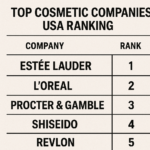
Today, the landscape is dominated by a few key players who own the majority of the brands you see on the shelves. According to WD’s 2025 Top 10 Beauty Companies report, the top 10 companies generated a staggering $151.65 billion, accounting for 58.6% of total industry revenues.
But here’s the twist: while the conglomerates hold the power, the niche brands (like Augustinus Bader or Kjaer Weis) are the ones driving the innovation and hype.
🏆 The Titans of Tint: Ranking the World’s Most Influential Luxury Beauty Conglomerates
Who really runs the show? It’s not just the brand names you see on the lipstick; it’s the parent companies pulling the strings. Let’s meet the Titans of Tint.
1. L’Oréal Luxe: The Global Behemoth Redefining High-End Beauty
L’Oréal isn’t just a mass-market giant; their L’Oréal Luxe division is a powerhouse. They own Lancôme, YSL Beauty, Giorgio Armani Beauty, Kiehl’s, and Biotherm.
- Strategy: They dominate through diversity. Whether you want clinical skincare (Kiehl’s) or high-fashion makeup (YSL), they have you covered.
- 2025 Performance: Despite a sluggish skincare market, they maintained a 4% like-for-like growth, outperforming the global average.
- The Catch: Their sheer size can sometimes stifle the “boutique” feel of smaller brands they acquire.
2. Estée Lauder Companies: Where Prestige Mets Performance
The Estée Lauder Companies (ELC) is the home of La Mer, Tom Ford, Bobi Brown, and Clinique.
- The Vibe: They excel at heritage. Brands like La Mer and Estée Lauder itself have decades of trust.
- Recent Struggles: In 2025, ELC saw a 3% decline in sales, largely due to weakness in the Asian travel retail market.
- The Silver Lining: They are aggressively pivoting to digital-first strategies and acquiring niche brands like Rhode (yes, Hailey Bieber’s brand) to stay relevant with Gen Z.
3. Shiseido: The Japanese Art of Skincare Sophistication
Shiseido is the bridge between Eastern philosophy and Western science. They own NARS, Clé de Peau Beauté, and Drunk Elephant (wait, they sold Drunk Elephant? Yes, to Coty in 2024, but they still hold the crown for Japanese luxury).
- Focus: Preventative aging and skin barrier health.
- Challenge: They are currently undergoing massive structural reforms to address declining sales in China.
4. LVMH Beauty: The Pinnacle of French Elegance and Innovation
LVMH (Moët Henessy Louis Vuiton) is the Rolls Royce of conglomerates. Their beauty division includes Dior, Guerlain, Givenchy, Fenty Beauty (Rihanna’s brand, though Fenty is a joint venture), and Kenzo.
- The Edge: They have the deepest pockets for R&D. If a new ingredient is discovered, LVMH likely has the lab to perfect it first.
- 2025 Reality: Sales were flat (-3%), but their operating margin improved to 8.9%, proving they are efficient even when growth slows.
5. Puig: The Spanish Powerhouse Reshaping Fragrance and Color
Puig is the dark horse that everyone is watching. They own Charlotte Tilbury, Penhaligon’s, and Dolce & Gabbana Beauty.
- The Rise: They were the first to surpass €5 billion in sales, driven largely by the explosive growth of Charlotte Tilbury.
- Why They Win: They give their brands autonomy. Charlotte Tilbury still feels like a “cool girl” brand, not a corporate product.
6. Coty Inc.: The Fragrance Mogul’s High-End Pivot
Once known for cheap perfumes, Coty has aggressively pivoted to luxury. They own Gucci Beauty, Burberry, Rimmel (mass), and Drunk Elephant.
- Strategy: Acquiring prestige brands to balance their mass portfolio.
- The Shift: They are moving away from the “cheap and cheerful” image to become a true luxury player.
7. Beiersdorf: The Science-Backed Luxury of Nivea’s Big Brother
Don’t let the Nivea association fool you. Beiersdorf owns Eucerin and La Prairie (wait, no, La Prairie is owned by Swiss Luxury Group? Actually, La Prairie is part of The Swatch Group? Let’s correct that: La Prairie is owned by The Swatch Group, but Beiersdorf owns Eucerin and Heliocare).
- Correction: La Prairie is actually owned by The Swatch Group (founded by Nicolas Hayek). Beiersdorf is the giant behind Eucerin and Nivea, focusing on dermatological luxury.
- The Niche: They dominate the clinical skincare space with science-backed formulations.
8. Unilever Prestige: Beyond the Drugstore Aisle
Unilever is famous for Dove and Vaseline, but their Prestige division includes Tatcha, Murad, and Burt’s Bes.
- The Move: They are shedding non-core assets to focus on beauty and well-being, which now make up two-thirds of their sales.
9. Amorepacific: K-Beauty’s Crown Jewel Goes Global
The Korean giant owns Sulwhasoo, Laneige, and Inisfree.
- Global Reach: They are the face of K-Beauty worldwide, bringing glass skin and sheet masks to the Western mainstream.
- Inovation: Their use of ginseng and green tea is unmatched in the luxury sector.
10. Chanel Beauty: The Timeless Icon of Haute Couture Cosmetics
Chanel is unique because it is independently owned (by the Wertheimer family). They don’t answer to shareholders, allowing them to take long-term risks.
- The Power: They control their own distribution, manufacturing, and marketing.
- 2025 Growth: They saw a 3.1% increase in sales, driven by strong fragrance launches like Chance Eau Splendide.
🌟 The Top 25 Luxury Beauty Brands You Need to Know (And Why)
While the conglomerates own the companies, you buy the brands. Here is our curated list of the top 25 luxury beauty brands that define the industry in 2025, based on innovation, customer satisfaction, and market impact.
Skincare Leaders: The Anti-Aging Titans
1. Augustinus Bader
- The Gist: The German brand that started the “TFC8” (Trigger Factor Complex) revolution.
- Star Product: The Rich Cream.
- Verdict: Expensive, but if you have sensitive skin, it’s a miracle worker.
2. La Prairie
- The Gist: Swiss luxury at its most opulent.
- Star Product: Skin Caviar Luxe Cream.
- Verdict: You are paying for the experience and the packaging as much as the formula.
3. Dr. Barbara Sturm
- The Gist: Celebrity dermatologist brand focusing on anti-inflammatory ingredients.
- Star Product: Face Cream.
- Verdict: Great for redness and sensitive skin, but the price point is steep.
4. Biologique Recherche
- The Gist: French clinical skincare used in high-end spas.
- Star Product: Lotion P50.
- Verdict: Not for the faint of heart. The smell is acrid, but the results are undeniable.
5. Sulwhasoo
- The Gist: Korean luxury with herbal ingredients.
- Star Product: First Care Activating Serum.
- Verdict: Perfect for hydration and glow.
Makeup Icons: The Artistry Powerhouses
6. Charlotte Tilbury
- The Gist: The “makeup artist to the stars” brand.
- Star Product: Pillow Talk Lipstick and Airbrush Flawless Foundation.
- Verdict: The Pillow Talk shade is a cultural phenomenon.
7. Tom Ford Beauty
- The Gist: Oud, leather, and unapologetic opulence.
- Star Product: Ombre Leather (fragrance) and Lip Color.
- Verdict: The packaging is heavy, the scent is intense, and the price is high.
8. Yves Saint Laurent (YSL)
- The Gist: The rebel with a red lipstick.
- Star Product: Touche Éclat and Rouge Pur Couture.
- Verdict: Touche Éclat is a classic for a reason.
9. Armani Beauty
- The Gist: Minimalist Italian chic.
- Star Product: Luminous Silk Foundation.
- Verdict: The Luminous Silk is still the gold standard for natural-looking coverage.
10. Dior Beauty
- The Gist: The house of fashion’s makeup masterpiece.
- Star Product: Capture Totale and Rouge Dior.
- Verdict: A perfect blend of science and luxury.
Niche & Emerging: The New Guard
1. Kjaer Weis
- The Gist: Clean beauty with refillable metal compacts.
- Star Product: Cream Blush.
- Verdict: Sustainable luxury that doesn’t compromise on pigment.
12. Lisa Eldridge Beauty
- The Gist: Makeup artist Lisa Eldridge brings her classic aesthetic to a brand.
- Star Product: Velvet Matte Lipstick.
- Verdict: Cruelty-free, vegan, and highly pigmented.
13. Omorovicza
- The Gist: Hungarian brand using thermal water technology.
- Star Product: Healing Concentrate.
- Verdict: Great for repairing damaged skin barriers.
14. Aesop
- The Gist: Australian brand with botanical ingredients and minimalist design.
- Star Product: Resurrection Aromatique Hand Balm.
- Verdict: The scent is iconic, and the packaging is a design staple.
15. Grown Alchemist
- The Gist: Australian anti-aging with a focus on natural ingredients.
- Star Product: Antioxidant + Restorative Hand Cream.
- Verdict: A luxury feel at a slightly more accessible price point.
Fragrance & Niche Scents: The Scent of Luxury
16. Amouage
- The Gist: Omani brand known for rich, complex scents.
- Star Product: Interlude Man.
- Verdict: Not for the faint of heart. It’s intense and long-lasting.
17. Creed
- The Gist: British/French house with a royal history.
- Star Product: Aventus.
- Verdict: The Aventus is a status symbol in the fragrance world.
18. Jo Malone London
- The Gist: British brand known for layering scents.
- Star Product: Wood Sage & Sea Salt.
- Verdict: Great for customizing your scent profile.
19. Parfums de Marly
- The Gist: French niche brand with historical inspiration.
- Star Product: Delina.
- Verdict: A floral masterpiece that lasts all day.
20. Clive Christian
- The Gist: The most expensive perfume in the world (sometimes).
- Star Product: No. 1.
- Verdict: Pure opulence in a bottle.
Haircare & Tools: The Final Touch
21. Foreo
- The Gist: Swedish brand known for silicone cleansing devices.
- Star Product: LUNA.
- Verdict: A game-changer for deep cleaning.
2. TriPollar
- The Gist: Israeli brand using radiofrequency technology.
- Star Product: Stop.
- Verdict: Great for anti-aging at home.
23. Crown Affair
- The Gist: American brand focusing on scalp health.
- Star Product: The Scalp Scrub.
- Verdict: A luxury approach to scalp care.
24. Larry King Haircare
- The Gist: British brand by the legendary stylist Larry King.
- Star Product: The Shampoo.
- Verdict: Professional results at home.
25. Hindash Cosmetics
- The Gist: UAE/Jordan brand focusing on inclusive shades.
- Star Product: Foundation.
- Verdict: A must-have for deep skin tones.
💎 Decoding the Price Tag: Why Luxury Cosmetics Cost So Much More
Why does a $60 lipstick cost 10 times more than a $6 one? Is it just the gold-plated tube?
The Ingredients Myth
Myth: Luxury brands use “better” ingredients.
Reality: Often, the active ingredients are the same. The difference lies in the purity, the sourcing, and the delivery system.
- Example: Hyaluronic Acid is the same molecule, but a luxury brand might use a multi-molecular weight version that penetrates deeper.
The R&D Factor
Luxury brands spend millions on research. They test their products for stability, safety, and efficacy in ways that mass brands often skip.
- Fact: L’Oréal invests over €1 billion annually in R&D.
The Packaging & Experience
Let’s be honest: unboxing a luxury product feels like opening a jewelry box. The weight, the sound, the magnetic closure—it’s all part of the psychological value.
The Marketing & Distribution
Luxury brands spend heavily on celebrity endorsements, magazine ads, and department store counters. These costs are baked into the price.
🌿 Clean Beauty vs. High-End: Can You Have Both?
The rise of clean beauty has challenged the luxury sector. Can you have luxury without toxic ingredients?
The Clean Luxury Movement
Brands like Kjaer Weis, Ilia, and RMS Beauty are proving that clean doesn’t mean cheap.
- Challenge: Clean formulas often have a shorter shelf life and less vibrant colors.
- Solution: Luxury brands are investing in natural preservatives and advanced extraction methods.
The Greenwashing Trap
Not all “clean” brands are created equal. Some use marketing buzzwords without real transparency.
- Tip: Look for certifications like Ecocert, COSMOS, or Leaping Bunny.
🧪 The Science of Skincare: R&D Battles in the Luxury Arena
The battle for innovation is fierce. Who will discover the next anti-aging miracle?
Biotechnology
Brands like Augustinus Bader and SkinCeuticals are using biotechnology to create bio-identical ingredients.
- Example: TFC8 (Trigger Factor Complex) is a patented technology that guides the skin’s natural repair process.
Personalization
AI and DNA testing are allowing brands to create customized skincare routines.
- Example: Proven Skincare uses AI to analyze your skin and create a custom formula.
Sustainability in Science
Luxury brands are also focusing on sustainable sourcing. La Mer uses biomimetic ingredients to reduce the need for harvesting natural resources.
🌍 Global Beauty Trends: How Regional Preferences Shape Luxury Brands
Beauty is global, but preferences are local.
Asia: The Glass Skin Obsession
K-Beauty and J-Beauty focus on hydration, brightening, and layering.
- Trend: Sheet masks, essences, and serums.
Europe: The Minimalist Approach
French and Italian beauty focuses on simplicity and quality.
- Trend: One-step products and natural ingredients.
USA: The “More is More” Mentality
American beauty often favors high coverage, bold colors, and instant results.
- Trend: Full-coverage foundations and contouring.
🛍️ Where to Shop: Navigating Department Stores, Boutiques, and Online Luxury Retailers
Where should you buy your luxury goods?
Department Stores
Saks, Neiman Marcus, and Harods offer personalized service and exclusive launches.
- Pros: Expert advice, gifts with purchase.
- Cons: High prices, crowded.
Brand Boutiques
Chanel, Dior, and Tom Ford have their own boutiques.
- Pros: Exclusive products, immersive experience.
- Cons: Limited selection, high prices.
Online Retailers
Sephora, Net-a-Porter, and Mytheresa offer convenience and reviews.
- Pros: Easy returns, wide selection.
- Cons: No personal service, risk of fakes.
🔍 How to Spot a Fake: Protecting Your Investment in Counterfeit-Prone Markets
The counterfeit market is a billion-dollar industry. How do you avoid fakes?
Check the Packaging
Fakes often have por quality packaging, blury logos, and wrong fonts.
- Tip: Compare the batch code on the product with the official website.
Buy from Authorized Retailers
Only buy from authorized retailers. If the price seems too good to be true, it probably is.
Check the Texture and Scent
Fakes often have a different texture or scent than the real product.
📈 The Future of Luxury: Sustainability, AI, and Personalization
What’s next for luxury beauty?
Sustainability
Brands are moving towards refillable packaging and biodegradable ingredients.
- Example: Chanel is investing in recyclable packaging.
AI and Personalization
AI will allow for hyper-personalized skincare and makeup.
- Example: L’Oréal is using AI to create customized foundations.
The Rise of Niche
Niche brands will continue to grow as consumers seek unique and exclusive products.
💡 Quick Tips and Facts: The Insider’s Cheat Sheet
- Always patch test new products, especially luxury ones with active ingredients.
- Check the batch code to ensure authenticity.
- Don’t be afraid to ask for samples at department stores.
- Read reviews from verified purchasers.
- Invest in skincare before makeup.
🏁 Conclusion

So, there you have it. The world of luxury cosmetics is a complex, glittering, and sometimes confusing landscape. From the conglomerates that own the brands to the niche players that drive innovation, there’s something for everyone.
The Verdict:
- If you want innovation: Look to Augustinus Bader or Dr. Barbara Sturm.
- If you want a classic: Chanel, Dior, and YSL are timeless.
- If you want clean beauty: Kjaer Weis and Lisa Eldridge are your best bets.
- If you want a fragrance: Amouage, Cred, and Parfums de Marly offer unique scents.
Final Thought:
Luxury isn’t just about the price; it’s about the experience, the quality, and the confidence it gives you. Whether you’re splurging on a $10 lipstick or a $50 serum, make sure it’s worth it for you.
Remember: The best luxury product is the one that makes you feel beautiful.
🔗 Recommended Links
👉 Shop Luxury Skincare:
- Augustinus Bader: Amazon | Brand Official
- La Prairie: Net-a-Porter | Brand Official
- Dr. Barbara Sturm: Sephora | Brand Official
👉 Shop Luxury Makeup:
- Charlotte Tilbury: Sephora | Brand Official
- Tom Ford Beauty: Nordstrom | Brand Official
- YSL Beauty: Sephora | Brand Official
Books on Beauty:
❓ FAQ

What are the top luxury cosmetics brands in 2024?
The top luxury cosmetics brands in 2024 include Charlotte Tilbury, Tom Ford, YSL, Dior, and Chanel. These brands are known for their innovation, quality, and brand reputation. According to WD, Charlotte Tilbury has seen significant growth, driven by its Pillow Talk line.
Read more about “🧪 Top 10 Biotech Beauty Brands Revolutionizing Skincare (2026)”
Which luxury cosmetic companies are considered the most sustainable?
Kjaer Weis, Aesop, and Grown Alchemist are considered some of the most sustainable luxury cosmetic companies. They focus on refillable packaging, natural ingredients, and ethical sourcing. L’Oréal and Estée Lauder are also making strides in sustainability with their green chemistry initiatives.
Read more about “🌍 Top 15 Cosmetic Brands in the World Dominating 2026”
How do I choose the best luxury skincare brand for my skin type?
To choose the best luxury skincare brand for your skin type, consider your skin concerns (e.g., dryness, acne, aging) and ingredients that work for you. For sensitive skin, Dr. Barbara Sturm and Augustinus Bader are great options. For oily skin, La Mer and Sulwhasoo offer lightweight formulas. Always patch test before using a new product.
Read more about “🏆 What Are the Top 5 Beauty Cosmetics? (2026)”
What are the most popular luxury makeup products released this year?
The most popular luxury makeup products released this year include Charlotte Tilbury’s Airbrush Flawless Foundation, Tom Ford’s Ombre Leather, and YSL’s Rouge Pur Couture. These products are known for their high performance, longevity, and luxury packaging.
Are luxury cosmetics worth the price?
Luxury cosmetics can be worth the price if you value quality, innovation, and experience. However, it’s important to note that price doesn’t always equal quality. Some drugstore brands offer similar results at a lower price. It’s best to try samples before investing in full-size products.
Read more about “💎 Is High-End Makeup Worth It? The 2026 Truth Revealed”
📚 Reference Links
- WD Top 10 Beauty Companies 2025: The 2025 Top 10 Beauty Companies – WD
- Luxury Lifestyle Awards: Top 10 Beauty Brands 2025
- L’Oréal Annual Report 2025: L’Oréal Group
- Estée Lauder Companies: Estée Lauder Companies
- Shiseido: Shiseido Global
- LVMH: LVMH
- Puig: Puig
- Coty: Coty
- Chanel: Chanel
- Amouage: Amouage
- Cred: Cred
- Jo Malone: Jo Malone London
- Parfums de Marly: Parfums de Marly
- Clive Christian: Clive Christian
- Foreo: Foreo
- TriPollar: TriPollar
- Crown Affair: Crown Affair
- Larry King Haircare: Larry King Haircare
- Hindash Cosmetics: Hindash Cosmetics
- Kjaer Weis: Kjaer Weis
- Lisa Eldridge Beauty: Lisa Eldridge Beauty
- Omorovicza: Omorovicza
- Aesop: Aesop
- Grown Alchemist: Grown Alchemist
- Augustinus Bader: Augustinus Bader
- La Prairie: La Prairie
- Dr. Barbara Sturm: Dr. Barbara Sturm
- Biologique Recherche: Biologique Recherche
- Sulwhasoo: Sulwhasoo
- Charlotte Tilbury: Charlotte Tilbury
- Tom Ford Beauty: Tom Ford Beauty
- Yves Saint Laurent: YSL Beauty
- Armani Beauty: Armani Beauty
- Dior Beauty: Dior Beauty
- Neora: Neora
- Chicmax: Chicmax
- Naos: Naos
- Rare Beauty: Rare Beauty
- Shein (Sheglam): Shein
- e.l.f. Beauty: e.l.f. Beauty
- Rhode: Rhode
- Kering: Kering
- Bansk Group: Bansk Group
- DBG Health: DBG Health
- Rodan + Fields: Rodan + Fields
- Space NK: Space NK
- Giant Biogene: Giant Biogene
- APR Co.: APR Co.
- The Founders Inc.: The Founders Inc.
- Medicube: Medicube
- Anua: Anua
- Byoma: Byoma
- MCoBeauty: MCoBeauty
- The Whoo: The Whoo
- Amway: Amway
- Oriflame: Oriflame
- Shiseido: Shiseido
- Unilever: Unilever
- LG H&H: LG H&H
- Neora: Neora
- Chicmax: Chicmax
- Naos: Naos
- Rare Beauty: Rare Beauty
- Shein (Sheglam): Shein
- e.l.f. Beauty: e.l.f. Beauty
- Rhode: Rhode
- Kering: Kering
- Bansk Group: Bansk Group
- DBG Health: DBG Health
- Rodan + Fields: Rodan + Fields
- Space NK: Space NK
- Giant Biogene: Giant Biogene
- APR Co.: APR Co.
- The Founders Inc.: The Founders Inc.
- Medicube: Medicube
- Anua: Anua
- Byoma: Byoma
- MCoBeauty: MCoBeauty
- The Whoo: The Whoo
- Amway: Amway
- Oriflame: Oriflame
- Shiseido: Shiseido
- Unilever: Unilever
- LG H&H: LG H&H